
You’re in the middle of an important conversation when your hearing aid suddenly cuts out. Or maybe you’ve noticed the sound growing increasingly muffled over the past few days, as if someone stuffed cotton in your ears. These frustrating scenarios are far more common than most hearing aid users realize, and the culprits are often completely invisible: moisture and earwax. These two silent enemies work quietly against the delicate technology you depend on daily, degrading performance and shortening device lifespan without obvious warning signs. So how do you fight back and protect what is likely a significant financial investment? The answer begins with one foundational concept: keeping your hearing aids dry. A “dry aid” approach—consistent moisture control—forms the cornerstone of effective hearing aid hygiene. In this guide, we’ll walk you through the essential accessories and practices that create a complete protection strategy, from dedicated drying solutions to wax guards and beyond, ensuring your devices deliver clear, reliable sound for years to come.
Table of Contents
The Invisible Enemy: Why Moisture is a Major Threat to Your Hearing Aids
Moisture finds its way into your hearing aids through countless everyday situations, and most of them are completely unavoidable. Perspiration during a morning walk, humidity on a rainy afternoon, steam drifting from your coffee cup, or even the natural condensation that forms when you move between air-conditioned spaces and warm outdoor air all of these introduce water vapor into the tiny crevices of your devices. You don’t need to jump in a pool to put your hearing aids at risk; simply living your life is enough.

The damage that moisture inflicts is both insidious and expensive. When water vapor reaches the internal circuitry, it triggers corrosion on the delicate electrical contacts that transmit sound signals. Over time, this corrosion creates intermittent connections, leading to crackling sounds, sudden dropouts, or complete device failure. Moisture also blocks microphone ports and speaker openings, producing that frustrating muffled effect that makes conversations feel like they’re happening underwater. Battery compartments are particularly vulnerable—trapped humidity accelerates battery drain and can cause contacts to corrode green, rendering them unreliable. In warm, damp conditions, mold and mildew can even begin growing inside the device, creating both a hygiene concern and a mechanical one.
Consider the financial reality: hearing aid repairs often cost hundreds of dollars, and full replacements run into the thousands. Most of this expense is preventable. Proactive moisture management isn’t optional—it’s essential maintenance that protects both your hearing clarity and your wallet. The most effective tool for this daily defense is a dedicated drying solution, which brings us to the single most important accessory every hearing aid user should own.
Drying Boxes: Your First Line of Defense Against Moisture Damage
A hearing aid drying box—sometimes called a dehumidifier or dry aid for hearing aids is a specialized container designed to draw moisture out of your devices overnight while you sleep. Think of it as a safe haven where your hearing aids recover from the day’s exposure to sweat, humidity, and condensation. These units work through one of two mechanisms: passive desiccant systems use silica gel beads or similar absorbent materials to pull moisture from the surrounding air inside the sealed container, while active electric dehumidifiers circulate gentle warm air through the chamber to evaporate trapped water molecules. Both approaches accomplish the same goal—keeping your hearing aids’ internal components dry and functional.
Choosing the Right Drying Box for You: A Practical Guide
The simplest option is a desiccant jar: an airtight container with replaceable moisture-absorbing capsules. These are inexpensive, completely silent, and require no power source, making them ideal for travel. Electric dehumidifiers represent the next tier, offering more thorough drying through controlled heat and fan circulation. Many premium models also incorporate UV-C light, which kills up to 99% of bacteria and fungi that accumulate on your devices throughout the day—addressing hygiene and moisture in one step. When selecting a drying box, ask yourself these questions: Do I need capacity for one hearing aid or two? Is UV sanitization important given my lifestyle or ear health history? Do I travel frequently enough to need a portable option alongside a home unit? Will I remember to replace desiccant beads, or would a plug-in electric model suit my habits better? How important are features like automatic shut-off timers or indicator lights that signal when drying is complete? Your answers will point you toward the right match.
Step-by-Step: How to Use Your Drying Box Effectively
Making your drying box part of your bedtime routine is the single most impactful habit you can build for hearing aid longevity. Each night, follow this process: First, open the battery compartment doors fully—or remove rechargeable aids from their charger once charged—to allow air to reach internal components. Second, place the hearing aids inside the drying box with battery doors open, ensuring they aren’t stacked on top of each other. Third, close the lid securely and activate the unit if it’s electric, or simply seal the container if using desiccant. Fourth, in the morning, close battery doors and insert your aids as usual. Don’t forget to maintain the drying box itself—replace desiccant capsules when the indicator changes color (typically every one to two months), and wipe down electric units periodically to prevent dust buildup. Consistency is everything here; sporadic use won’t prevent cumulative moisture damage.
Beyond Drying: Other Essential Hearing Aid Accessories for Protection
While moisture control forms the foundation of hearing aid maintenance, it’s only one piece of a comprehensive protection strategy. Your devices face multiple threats throughout the day, and addressing each one requires specific tools designed for specific jobs. Whether you use devices from brands like ELEHEAR or other manufacturers, three additional accessory categories deserve a permanent place in your care routine: ear domes that maintain comfort and acoustic performance, wax guards that prevent the most common cause of sound degradation, and protective cases that shield your investment when it’s not in your ears or drying box.
Ear Domes: Ensuring Comfort and Acoustic Seal
Ear domes are the soft silicone or rubber tips that sit at the end of your hearing aid’s receiver wire, resting directly inside your ear canal. Their job goes beyond simple comfort—they create an acoustic seal that directs amplified sound efficiently into your ear while preventing feedback whistling. A poorly fitting dome allows sound to leak out, reducing amplification effectiveness and potentially causing irritating squealing noises. Domes come in multiple sizes (small, medium, large) and styles (open, closed, and power), each suited to different hearing loss profiles and ear canal shapes. Your audiologist will initially select the right fit, but ear canals change over time, so periodic reassessment matters. From a hygiene perspective, domes accumulate earwax, skin oils, and bacteria with every use. They should be wiped clean daily and replaced entirely every one to three months, or sooner if you notice discoloration, hardening, or cracks in the material. A fresh dome restores both comfort and sound quality instantly.
Wax Guards: The Crucial Barrier Against Earwax Clogs
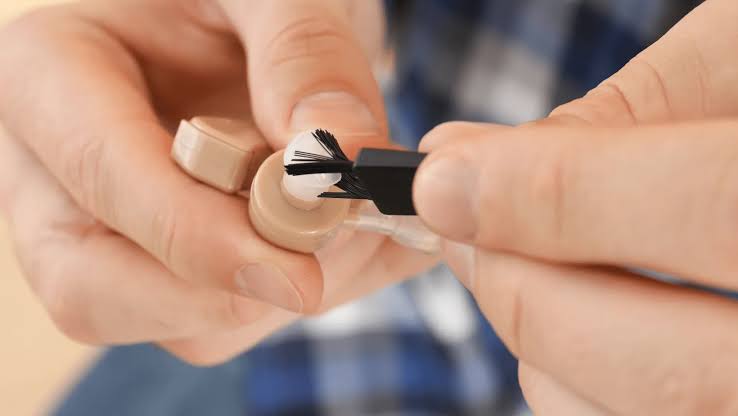
If your hearing aid sounds muffled and you’ve already ruled out moisture, earwax is almost certainly the problem—and wax guards are your primary defense. These tiny mesh or membrane filters sit over the receiver opening (the part that delivers sound into your ear), physically blocking wax particles from entering and clogging the speaker. Without them, earwax migrates into the receiver port and hardens, eventually silencing the device entirely. Wax guards come in two general categories: some are built into the dome assembly and replaced along with it, while others are standalone replaceable filters that you swap independently. Changing them is straightforward. First, locate the small applicator tool that comes with your replacement pack—one end removes the old guard, the other inserts the new one. Second, push the removal end into the used wax guard and pull it straight out. Third, flip the tool and press the fresh guard into the empty port until it clicks into place. Check your wax guards weekly; if you see visible wax buildup or experience any sound reduction, replace immediately rather than waiting for complete blockage.
Protection Kits and Travel Cases: For Security On-The-Go
Your hearing aids are vulnerable whenever they’re outside your ears and not inside a drying box. Tossing them loose into a purse, pocket, or nightstand drawer exposes them to physical impact, dust, lint, and accidental crushing. A dedicated protective case solves this problem with a hard or semi-rigid shell lined with shock-absorbing material that cushions against drops and pressure. Many quality cases also include a small desiccant capsule inside, providing passive moisture protection even when you’re away from your primary drying box. For travelers, this dual function is invaluable—your aids stay dry and safe whether you’re on a plane, at a hotel, or hiking in humid conditions. Look for a case with a secure closure mechanism and enough internal space to hold your aids without pressing components together. Adding an identifying label with your contact information provides an extra safety net against loss. Keep this case in your bag or on your person whenever you’re away from home, and use it any time you remove your aids during the day, whether at the gym, during a medical appointment, or before stepping into the shower.
Assembling Your Complete Hearing Aid Protection Kit: A Step-by-Step Plan
Now that you understand the individual threats and their solutions, it’s time to bring everything together into a unified protection strategy. Think of this as building your personal hearing aid survival kit—a collection of essentials that work together to maximize device performance and lifespan. Your complete kit should include four core items: a drying box (either desiccant-based for portability or electric with UV-C for thorough home use), replacement ear domes in your correct size and style, replacement wax guards compatible with your specific hearing aid model, and a protective storage or travel case with built-in moisture absorption.
With these tools assembled, establish a simple routine that becomes second nature. Daily, wipe your hearing aids and domes with a soft dry cloth before placing them in your drying box each night with battery doors open. Weekly, inspect your wax guards under good lighting and replace any that show visible buildup or cause sound reduction. Monthly, evaluate your ear domes for signs of wear, discoloration, or stiffening, and swap them out as needed. Whenever you leave home, transfer your aids to your protective case during any activity where they’re removed. This layered approach—addressing moisture, wax, physical damage, and component wear simultaneously—transforms the “dry aid” concept from a single habit into a comprehensive system that keeps your hearing aids performing at their best and protects your investment for years to come.
Protect Your Hearing Aids, Preserve Your Connection to Life
Moisture and earwax may be invisible to the naked eye, but their impact on your hearing aids is anything but subtle—from corroded circuits and muffled sound to complete device failure. The “dry aid” principle, consistent moisture management through a quality drying box, stands as the single most important habit you can adopt to preserve your devices. Yet true protection extends beyond drying alone. When you combine nightly dehumidification with fresh ear domes that maintain acoustic integrity, regularly replaced wax guards that prevent speaker clogs, and a sturdy travel case that shields against physical damage, you create an interconnected defense system that addresses every major threat your hearing aids face.
These steps are neither complicated nor time-consuming. A few minutes each evening and a brief weekly inspection are all it takes to dramatically extend your devices’ lifespan, maintain crystal-clear sound quality, and avoid costly repairs. By taking ownership of your hearing aid hygiene today, you’re not just protecting a piece of technology—you’re safeguarding your connection to the conversations, relationships, and experiences that define your daily life. That peace of mind is worth every moment of care.

