
Owning your vehicle fleet allows you to select an appropriate vehicle representing your company. You take the time to choose the make and model, so stay on top of maintenance.
Whether you plan to handle fleet management or hire a fleet manager, here are the 7 important tips you should know.
1. Choose Wisely
Take the time to research the best make, model, and style of vehicle. Some businesses can manage with a fleet of compact sedans. Other companies may need to locate new Chrysler, Ram, commercial trucks, Dodge, Jeep for sale.
Consider establishing a relationship with your fleet vehicle sales provider. They can tell you about upcoming promotions before the public is informed.
2. Create Documents
Develop maintenance logs for each of the vehicles you own. Maintenance requirements may vary based on the type of vehicle. In addition to routine maintenance, have the driver complete a vehicle inspection checklist daily. Identifying potential issues earlier helps you save repair costs. You may also get the vehicle back into operation faster.
3. Contract With Providers
Nothing will save you time and money like working with the same providers. Taking your fleet vehicles to the same dealership service department helps the technicians get to know the automobiles and your business.
Your service company may be able to help you get a loaner vehicle or get your vehicle safely functioning until the parts arrive. Most insurance companies will provide quantity discounts if you insure more than one vehicle or building with them. They also save you time and bookkeeping fees in managing insurance payments.
4. Customize Vehicles
Just as your employees typically wear a uniform, your fleet should all have the same visual experience. Contract with a vehicle painter or a sign maker and add your company name, logo, and contact information to the automobile. These serve as rolling advertisements for your company.
Additional modifications you may need are:
- Tonneau cover
- Bedliner
- Custom paint color
- Trailer hitch
- Interior mats
5. Communicate With Drivers
Your employees are the key to keeping your vehicle in good operating condition. If you do not hire a professional automotive detailing service, your staff will need to clean the automobiles.
They can identify issues like:
- Popping sway bar
- Failing brake system
- Streaking windshield wipers
- Waning fuel pump
6. Use Informed Scheduling
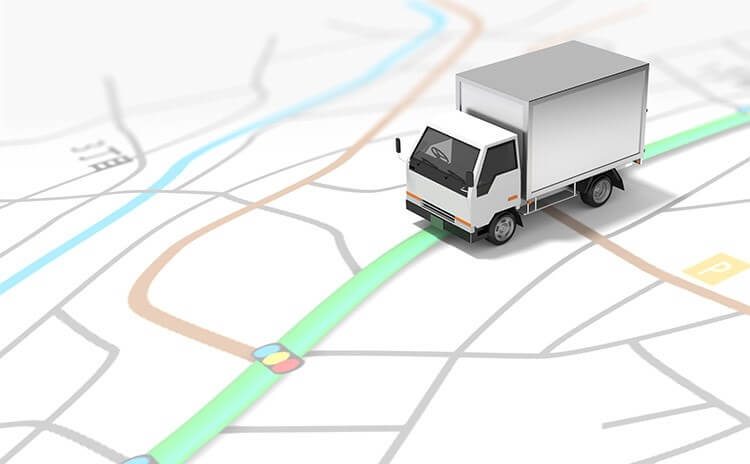
Keep your fleet vehicles longer by scheduling appropriately. Use route planning software to build routes based on many factors, such as fuel efficiency or drive time. These applications frequently have built-in GPS systems, giving you real-time notifications as to the location of the vehicle. Fuel costs are less, and maintenance fees are limited.
7. Dispose of Vehicles
As with any fleet management strategy, you will need to develop a plan for disposing of vehicles at the end of their usefulness to you. Take the time to write down how long you plan to keep the automobiles before they get traded in or sold to make way for a new vehicle.
Manage Your Fleet Vehicles With These Tips
Having a cohesive plan for the lifetime of your company vehicles helps you understand the lifetime of ownership. With this information, you can create a schedule to add new cars to your fleet. When managed wisely, those additional vehicles bring additional revenue to your company.

