
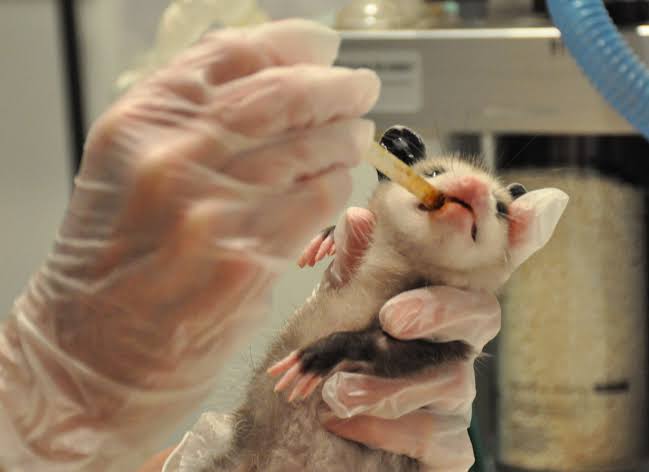
You might be staring at a tiny litter that feels too quiet, too small, or too fragile, and every hour suddenly matters. Maybe the mother is exhausted, one puppy is not nursing, or a kitten feels cool to the touch. That kind of worry is hard to shake because newborns can decline fast, often before the problem is obvious. In those first days, an animal hospital for high risk newborn litters does more than treat emergencies. It helps stabilize weak babies, supports the mother, spots trouble early, and gives you a plan you can actually follow at home, alongside comprehensive pet surgical services in Langley.
High risk litters include premature newborns, low birth weight babies, difficult deliveries, large litters, orphaned neonates, and litters born to sick, stressed, or first time mothers. You do not need a disaster to justify care. If something feels off, that instinct matters.
Animal hospitals catch early warning signs before a weak newborn crashes
The hardest part with neonates is how little room there is for delay. A newborn puppy or kitten can look merely sleepy when the real issue is low blood sugar, dehydration, chilling, poor milk intake, infection, or a birth defect. Once body temperature drops, nursing drops too, and that sets off a spiral. Weak babies stop eating, then grow weaker, and the decline can happen in hours.
An animal hospital checks the basics that tell a much bigger story. Weight trends, hydration, body temperature, gum color, suckle reflex, breathing effort, and abdominal fullness all matter. A baby that keeps losing weight or fails to gain from day to day needs prompt attention. Guidance from the Purdue neonatal care guide reinforces how closely feeding, warmth, sanitation, and daily monitoring are tied to survival.
Veterinary teams stabilize temperature, blood sugar, and hydration safely
People often try to help by feeding more or warming faster, and the intention is good, but a chilled newborn should not be fed until body temperature is corrected. Formula can sit in the stomach and make things worse. Direct heat can also burn fragile skin or overheat a baby that cannot move away.
This is one of the clearest ways veterinary hospitals help fragile litters. Staff can rewarm newborns gradually, correct fluids, support blood sugar, and decide whether tube feeding, bottle feeding, or maternal nursing is safest. They can also show you exactly how much to feed, how often, and what signs mean the plan is failing. Clinical guidance from the Merck Veterinary Manual on neonatal management outlines just how quickly hypothermia, hypoglycemia, and dehydration can overlap in dogs and cats.
Animal hospitals support the mother, because her health shapes the whole litter
Sometimes the litter is not the starting point. The mother may have mastitis, low milk production, pain after labor, a retained placenta, eclampsia, fever, or simple exhaustion. You may notice babies crying and rooting constantly, then see the mother avoiding the box or lying down in a way that blocks them from nursing. That is not always rejection. It can be pain or illness.
An animal hospital examines the mother and treats the source, which often changes the outcome for every newborn. If her milk is poor, her calcium is low, or an infection is brewing, no amount of home monitoring fully solves that. When the mother improves, the litter often improves with her.
High risk newborn litter care includes feeding plans, sanitation, and weight tracking
Home care usually becomes the long middle part of the story. This is where many people feel worn down. Feeding every two to four hours, checking for urine and stool, washing supplies, monitoring the nest temperature, and weighing each baby can blur together when you are already sleep deprived.
Good neonatal care is specific. You need target weights, feeding intervals, formula handling rules, and a clear threshold for when to call. An animal hospital can turn vague worry into a written care plan. For orphaned kittens in particular, practical support from resources like the Kitten College living library can help you manage feeding, elimination, and age based milestones at home.
| Situation | Home Monitoring May Be Enough | Animal Hospital Care Is Needed |
| Weight gain | Daily gain is steady and babies nurse well | No gain, weight loss, weak suckle, or frequent crying |
| Body temperature | Warm, active, sleeping quietly after feeding | Cool body, limp behavior, poor nursing, constant restlessness |
| Feeding | Latch is strong and abdomen feels full after nursing | Milk from nose, bloating, coughing, refusal to eat, fading strength |
| Mother’s condition | Calm, attentive, eating, drinking, normal mammary glands | Fever, pain, swollen glands, tremors, neglect, low milk |
| Environment | Clean nesting area with stable warmth | Repeated chilling, poor sanitation, parasite exposure, overcrowding |
Veterinary care helps identify congenital problems and infection early
Some newborns struggle because of something you could not have prevented. Cleft palate, heart defects, aspiration pneumonia, parasite burden, and bacterial infection can all show up as poor growth, noisy breathing, milk bubbling from the nose, or repeated weakness after feeding. Without an exam, these cases can look like simple fading or a baby that just needs more food.
Newborn litter support at an animal hospital gives those babies a better chance because the care is based on the cause, not guesswork. That may mean oxygen support, antibiotics when appropriate, parasite treatment, or a feeding change that avoids aspiration risk.
Animal hospitals give you a plan for the next 24 hours, not just the next visit
What most people need is not only treatment. They need a map. Which baby needs extra feeds. Which one can stay with the mother. How warm the nest should be. What normal stool looks like. When crying is hunger and when it is distress. Which signs mean do not wait until morning.
That kind of direction lowers mistakes and lowers panic. It also helps with cost because early intervention is often simpler than emergency rescue after a full crash. A basic neonatal exam, weight check, and maternal assessment can prevent a much larger problem a day later.
Three steps you can take right now
1. Start a litter log today. Record each newborn’s weight at the same time every day, nursing or formula intake, stool and urine output, and any behavior change. Tiny trends matter more than one dramatic sign.
2. Check warmth before feeding. If a newborn feels cool, weak, or limp, focus on gentle warming first and call an animal hospital for guidance. Feeding a chilled baby can make the situation worse.
3. Have the mother and litter examined early. Do not wait for a collapse. A prompt newborn and postpartum exam can catch milk supply issues, infection, dehydration, parasites, and congenital problems while there is still time to act calmly.
If you are caring for a fragile litter, the stress you feel makes sense. These babies are delicate, and the margin for error is small. Fast, practical help from an animal hospital can steady the mother, protect the strongest newborns, and give the weakest ones a real chance. Reach out to a local animal hospital as soon as you see poor nursing, low weight gain, chilling, or unusual behavior. Early support changes outcomes.

