
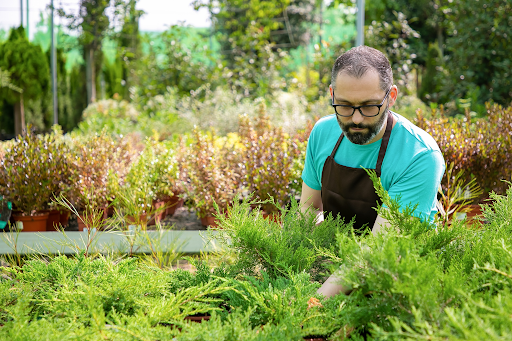
A healthy and vibrant yard does not happen by accident; you have to maintain it consistently to achieve it. A maintenance routine is the key to keeping outdoor space attractive, clean, and thriving in every session. From watering to pruning, small maintenance steps can make a big difference and provide long-term health for your landscape.
Whether you maintain your lawn yourself or hire a professional, the following tips help keep your outdoor space healthy, beautiful, and well-cared for.
- Water Your Landscape Properly
As a human being needs water to live a healthy life, your garden also requires plenty of water to grow. Water is the most important part of landscaping maintenance, but many people often do it incorrectly. You know what, overwatering can damage plants and promote disease, while less water can weaken the roots and affect growth.
Deep and infrequent watering encourages roots to grow deeper into the soil. Best watering practices include:
- Water early in the morning
- Apply water directly to the soil, not on leaves
- To improve efficiency, you should use drip irrigation systems
- Adjust water schedule according to rainfall and temperature
- Control Weeds Early
Weeds compete with plants for nutrients, sunlight, and water. If left untreated, they can quickly spread and affect the plants. They also affect landscape beds. For weed control, you should use these methods:
- Applying mulch to block sunlight
- Using pre-emergent treatments when necessary
- Pulling weeds before they produce seeds
- Maintaining dense lawns and planting beds
- Use an efficient weed sprayer
A weed sprayer is an efficient and precise way to manage unwanted plants in landscaping while saving significant time and labor compared to manual weeding. Early weed control saves you time and effort and prevents later problems.
- Watch for Pests and Plant Diseases
If not addressed on time, landscape pests and diseases spread quickly. Routine inspection allows you to identify problems before significant damage occurs. You should also understand the reasons for these pests and diseases. For example, if your yard is affected by mosquitoes, you must know the reasons why more mosquitoes are attracted.
There are signs of potential issues:
- Yellow or discolored leaves
- Chewed or damaged foliage
- Sudden plant decline
- Unusual spots or mold on plants
Pest management requires monitoring and prevention, so the first suggestion is to avoid using chemicals.
- Mow Your Lawn Regularly
Mowing your lawn regularly helps to achieve a neat appearance, but many people cut their grass too short, which can stress the lawn. Too-short cutting also exposes soil to weeds. You should follow the one-third rule, such as avoiding the removal of more than one-third of the grass in a single mowing session.
The standard mowing height includes:
- Warm season grasses: 1.5 to 3 inches
- Cool season grasses: 2.5 to 4 inches
Proper maintenance mowing height helps achieve a healthier, thicker lawn.
Table of Contents
Conclusion
To achieve a lush, healthy landscape, you need to focus on the steps mentioned above. You should also inspect your garden regularly to identify issues so you can address them as soon as possible and prevent them from worsening.

