
The verification is complete. The account exists. The login works.
Then comes the part that receives considerably less attention: opening the platform for the first time and understanding what is actually on the screen.
For somebody encountering a multi-market environment for the first time, it can be a lot at once. Prices are moving. Two prices may appear beside the same instrument. Account figures change. Some markets are open while others are closed. Charts can be switched between different timeframes. Terms such as equity, margin and spread suddenly stop being definitions on a webpage and become numbers attached to an actual account.
That transition from registration to real platform use is familiar territory for Sophia Sonechko.
Working in customer success at HedgeWise, Sonechko deals with the practical questions that appear once customers move beyond account administration and begin navigating the platform itself.
“The account-opening process has a clear beginning and end,” she says. “Learning what everything on the platform represents is different. There is naturally more to understand once all of that information is in front of you.”
Table of Contents
Why Are There Two Prices?
One of the first details that can stand out is also one of the smallest.
A financial instrument may display a bid price and an ask price rather than one single number.
The difference between them is the spread.
That sounds straightforward when written as a definition. On a live platform, however, both numbers can be changing as market prices change.
It is a good example of why platform familiarity matters.
Customer success can explain what those fields represent and where relevant information is displayed. What it cannot do is turn those numbers into a recommendation about whether a transaction should be made.
For Sonechko, those are two very different functions.
“Explaining what somebody is looking at is part of platform support. Interpreting that information for somebody’s financial decision is not.”
Why Are So Many Account Numbers Moving?
The market price isn’t necessarily the only changing figure.
Once positions exist, a platform can display information including balance, equity, used margin and available margin. Although those terms appear together, they do not describe the same thing.
Balance generally reflects the account balance excluding the changing value of open positions. Equity can change as the value of open positions changes. Margin relates to the funds associated with maintaining leveraged exposure.
The important point from a customer-success perspective is not what somebody should do with those numbers.
It is knowing what the numbers mean.
That distinction becomes particularly relevant because HedgeWise provides access to CFDs, which are leveraged financial instruments. Leverage means market exposure can be greater than the margin committed to establish a position, amplifying the financial effect of price movements in either direction.
The account screen is therefore not simply a wallet showing how much money was deposited. It can contain several figures describing different parts of the account at the same time.
Why Is One Market Moving While Another Appears Quiet?
Putting several market categories into one platform creates another interesting effect: everything looks as though it belongs to the same digital environment.
The underlying markets don’t.
HedgeWise provides CFD access across forex, shares, indices, commodities, precious metals and cryptocurrencies. Those categories can have different market structures and operating hours.
A South African customer might open a platform in Johannesburg while European markets are active, before the regular U.S. equity session has opened. Later in the day, the international picture changes again.
Forex follows international trading sessions. Exchange-based underlying markets operate according to their own schedules. Holidays can alter normal hours.
A platform can bring these markets onto one screen without putting them all onto one clock.
Sonechko sees that as one of the differences between learning an interface and understanding what sits behind it.
“The platform creates one place to access information, but the instruments still belong to different markets. One screen doesn’t mean one schedule.”
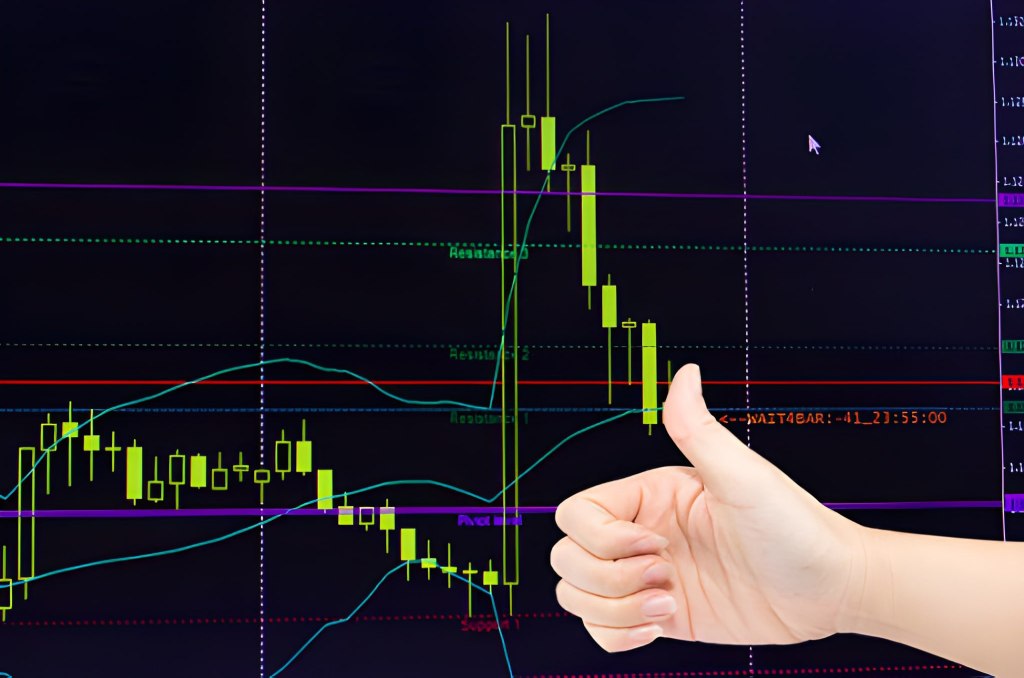
Why Doesn’t a Chart Explain What Happened?
Charts are visually persuasive.
A price rises sharply. Another falls. A candle becomes unusually large. A quiet period suddenly becomes active.
The screen shows the movement almost immediately.
What it doesn’t automatically provide is a complete explanation.
Prices can respond to company announcements, economic data, central-bank decisions, political developments, commodity supply conditions and changes in broader market activity. Sometimes several factors overlap.
The chart records the price behaviour. It does not provide a definitive account of why every market participant acted.
This is another point where customer support has a natural boundary.
A technical question such as “How do I change the chart timeframe?” can have a direct answer.
“What will this chart do next?” does not belong in the same category.
What Happens If Something Doesn’t Look Right?
Not every unusual-looking screen means something unusual is happening in the market.
Sometimes the issue is much more ordinary.
A customer may have difficulty logging in. Information may not appear where expected. A verification step may still be pending. A user may be looking for transaction history or trying to locate a particular account function.
This is where the human side of a digital platform becomes more visible.
HedgeWise’s support services cover areas such as account access, verification, funding-related queries and general platform guidance. The purpose is to resolve service and functionality questions, rather than influence financial decisions.
Sonechko puts it simply:
“If the question is about the account or how the platform works, there is usually something concrete we can investigate or explain. If the question becomes ‘What financial decision should I make?’, that is outside the role of customer success.”
Opening the Account Changes the Questions
Before registration, the questions tend to be administrative.
What documents are required? How does verification work? Which account structures are available? How is the platform accessed?
Afterward, the questions become more visual.
What is this number?
Why are there two prices?
Why did this account figure change?
Why is one market open and another closed?
What does this function actually do?
None of those questions requires somebody else to make a financial decision for the customer.
But they demonstrate something important about modern financial technology.
A simple interface can make access easier. It cannot make the underlying financial system simple.
Opening the account gets someone through the front door.
Understanding what is on the other side is a separate process.
Important Information
This article is intended solely for general informational and educational purposes. Sophia Sonechko’s comments relate to customer-success functions, account processes and general platform functionality.
They do not constitute investment, financial or trading advice. Nothing contained here is intended as a recommendation to open or fund an account, select a financial instrument, enter or exit a transaction, or take any particular financial action. CFDs are leveraged instruments and carry a high risk of rapid financial loss.
Hedge Wise (Pty) Ltd does not provide investment advice or recommendations concerning the products available through its website.

