
If you are travelling to a part of the world where meningococcal is prevalent then it is important to take the time to read these guidelines and facts surrounding the disease.
Table of Contents
What is meningococcal disease?
Meningococcal disease is a bacterial infection caused by meningoccocus, otherwise known as Neisseria meningitidis. Neisseria meningitidis bacteria are spread through the exchange of throat and respiratory secretions like kissing, sharing drinks, living in close quarters etc. People who identify themselves as a close contact of someone with meningococcal should immediately be tested and take antibiotics to stop from contracting the disease. The risk of meningococcal disease can be greatly reduced with administering a meningococcal vaccine.
Can everyone get meningococcal disease?
Anyone can contract meningococcal, but it is more common in children and infants. Other people at risk include those close to someone who is known to have had the disease, as well as people travelling to countries where the disease is commonplace.
Symptoms of meningococcal
Meningitis is a common outcome of meningococcal. Bacteria is known as meningococcal meningitis when caused by Neisseria meningitidis. If a person has meningococcal meningitis, the protective membranes covering their spinal cord and brain, called meninges, also become infected.
Symptoms of meningococcal include:
- Fever
- Stiff neck
- Headache
- Vomiting
- Nausea
- Sensitivity to bright lights
- Confusion
The symptoms of meningococcal meningitis can appear over a course of a few days or come on very suddenly. In infants and newborns, symptoms like neck stiffness and headache can be difficult to notice. The infant or newborn, however, will appear inactive, irritable, will feed poorly or vomit.
Bloodstream infection is another common outcome of meningococcal disease. There are two types: bacteremia and septicemia, with septicemia being more serious. If a person has meningococcal septicemia, the bacteria enter the bloodstream and multiply, causing bleeding in the skin and organs as well as damaging the walls of the blood vessels.
- Fatigue
- Diarrhea
- Vomiting
- Rapid breathing
- Severe muscle, joint, abdomen or chest pains
- Cold chills
- Red dots that become a purple rash on the skin
Meningitis and septicemia can occur simultaneously. You should immediately go to the doctor if you think you or your child is experiencing these symptoms.
How is meningococcal treated?
Meningococcal disease is treated with effective antibiotics. If a doctor diagnoses meningococcal disease, they will prescribe antibiotics straight away. In worst cases, it will be too late for antibiotics to stop death or long-term problems occurring as a result of meningococcal disease. Other ongoing treatments like medications to treat low blood pressure, breathing support or wound care for parts of the skin that have been damaged by the disease.
Can meningococcal be prevented?
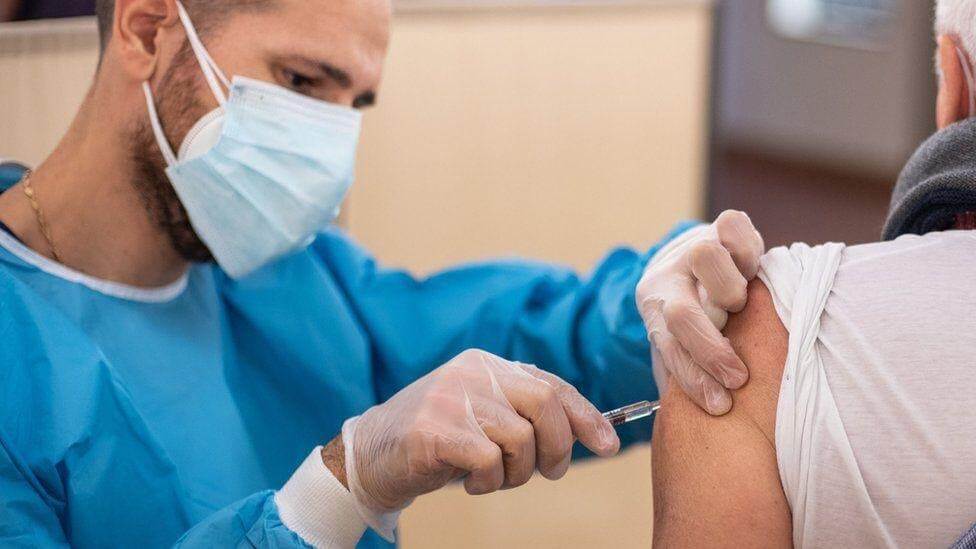
Vaccination is vital to preventing meningococcal. Ensuring you are vaccinated for meningococcal disease is the best way to ensure you won’t catch the disease. The vaccine is recommended for all kids aged 11 or 12 years, and they will receive a booster at 16. Some children may need to be vaccinated earlier if they have any prior medical issues or are travelling to an area where the disease is prevalent
Current meningococcal vaccines cover most strains of the disease but not all of them. You can still possibly develop meningococcal disease even after being vaccinated. People should have a good understanding of the symptoms to ensure they receive early medical treatment if having contracted the disease. You should also maintain healthy, immune-boosting habits and avoid people who appear to be sick until they have recovered from their illness (as goes with any spreadable disease).

