
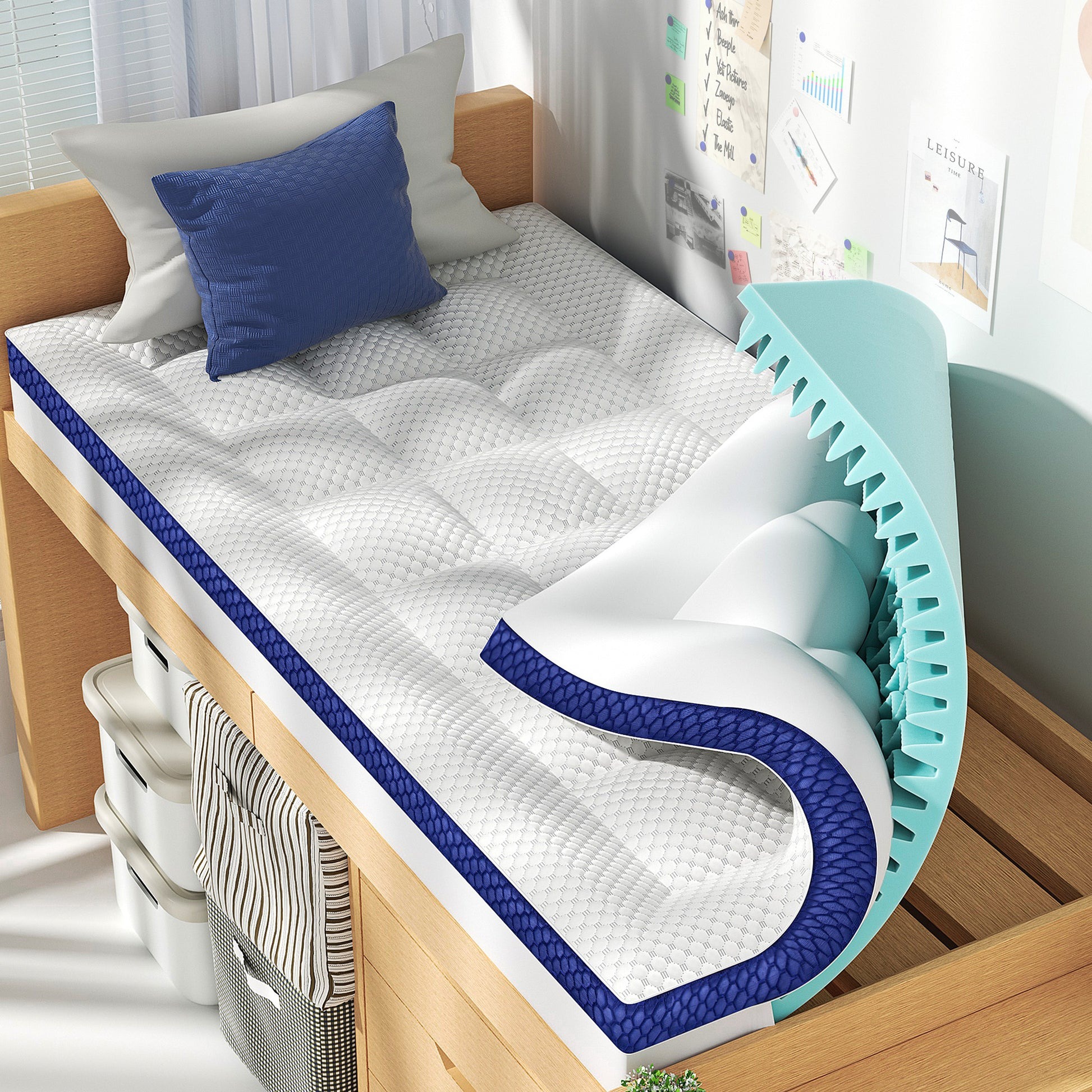
A twin bed often gets treated as temporary furniture, whether it’s in a college dorm, a kid’s bedroom, or a guest room. But temporary doesn’t have to mean uncomfortable. If mornings come with a sore back, stiff shoulders, or a mattress that feels like it’s seen better days, a topper can solve the problem without the cost or hassle of replacing the entire mattress.
Twin XL sizing in particular is common in dorms and smaller bedrooms, which means finding the right topper thickness and material matters just as much as it would for a full-size bed. The right choice depends on what’s actually causing discomfort, whether that’s a mattress that’s too firm, too soft, or simply worn down from years of use.
Table of Contents
Signs Your Twin Mattress Needs a Topper
Waking up with pressure points along the hips or shoulders is one of the clearest signs a mattress has lost its cushioning. Older mattresses tend to develop uneven firmness over time, creating dips or overly firm spots that a topper can help smooth over without replacing the whole unit.
Dorm mattresses and guest room beds are especially common candidates, since these mattresses are often lower quality to begin with and see inconsistent use that makes wear patterns develop unevenly.
Memory Foam vs Ergonomic Toppers: What’s the Difference
Anyone shopping for a twin bed mattress topper will quickly notice memory foam and ergonomic designs dominate the options, and each serves a slightly different purpose depending on sleep position and pressure sensitivity.
Memory Foam Toppers
Memory foam contours closely to the body, distributing weight evenly and reducing pressure points along the hips and shoulders. This makes it a strong choice for side sleepers or anyone dealing with joint sensitivity, since the foam responds to body heat and gradually molds to sleeping position.
Ergonomic Toppers
Ergonomic designs often use zoned support, offering firmer sections under the hips and shoulders while staying softer elsewhere. This targeted approach can feel more supportive for back sleepers who need consistent spinal alignment throughout the night.
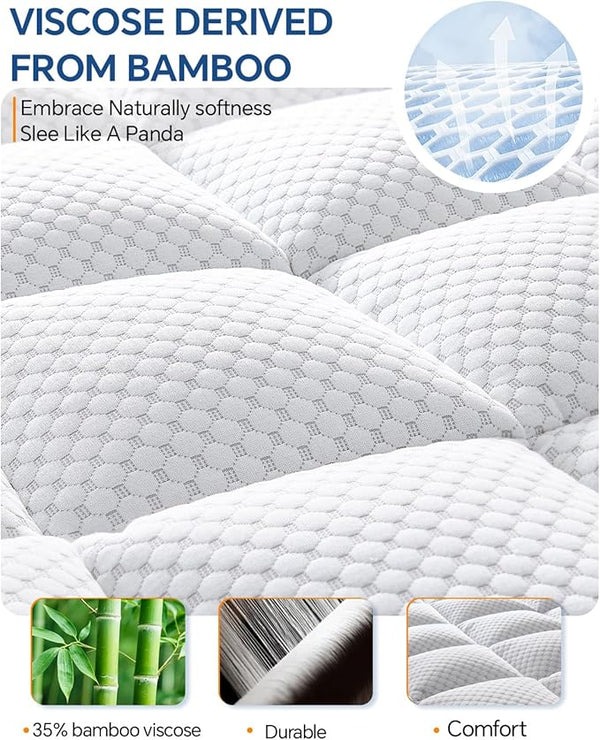
Choosing the Right Thickness for Your Needs
Thickness affects both comfort and how much a topper changes the overall feel of the bed. A three-inch topper offers noticeable cushioning without making the mattress feel unfamiliar, striking a balance that works for most sleepers looking to add comfort without starting over.

Thinner toppers work well for mattresses that are still in decent condition and just need a bit of softness added, while thicker options are better suited for older mattresses that have lost most of their original support.
Fitting and Securing a Topper on a Twin Bed
Proper fit matters more than people expect, since a topper that shifts during the night defeats its purpose entirely. Elastic corner straps or fitted skirt designs keep the topper anchored to the mattress, preventing the bunching or sliding that can happen with a simple flat pad.

Bedelite designs its toppers with secure, fitted edges specifically to prevent this kind of shifting, which matters even more on smaller twin and twin XL frames where every inch of surface counts.
Caring for Your Topper to Extend Its Comfort
Using a removable, washable cover protects the foam or fill underneath from spills and everyday wear, extending the topper’s usable life significantly. Airing out a new topper before first use also helps reduce any initial off-gassing smell common with foam products.
Better Sleep Without Replacing the Whole Mattress
A well-chosen topper can transform an uncomfortable twin mattress into something that actually supports a good night’s sleep, without the cost of buying an entirely new bed. Matching material and thickness to the specific problem, whether that’s pressure points, uneven firmness, or general wear, makes all the difference in the results.
Small dorm rooms, guest bedrooms, and growing kids’ rooms all benefit from this kind of practical upgrade, proving that comfort doesn’t always require starting from scratch.
