
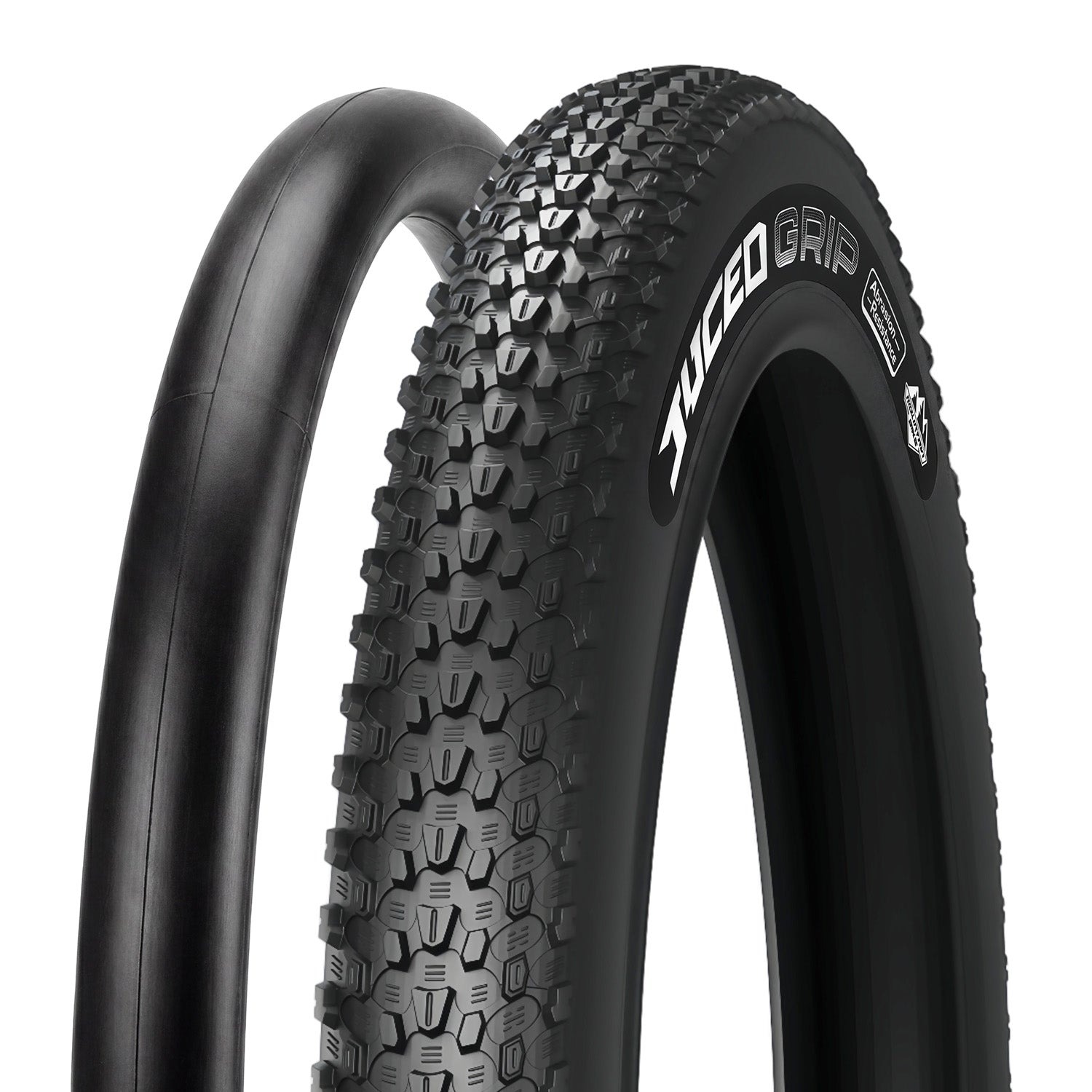
Walk into any bike shop and the tire wall can feel overwhelming. Rows of tread patterns, casing labels, and compound names all promise better performance, but few of them explain what actually changes on the trail. Most riders end up picking based on price or brand recognition, then wonder later why the tire feels wrong for their local terrain.
A better approach starts with your riding conditions, not the shelf in front of you. Trail type, typical weather, and riding style narrow the choice far more effectively than marketing copy. This guide breaks the decision into a few clear steps, so the next tire you buy actually fits how and where you ride instead of being a shot in the dark.
Table of Contents
Start With Where You Actually Ride
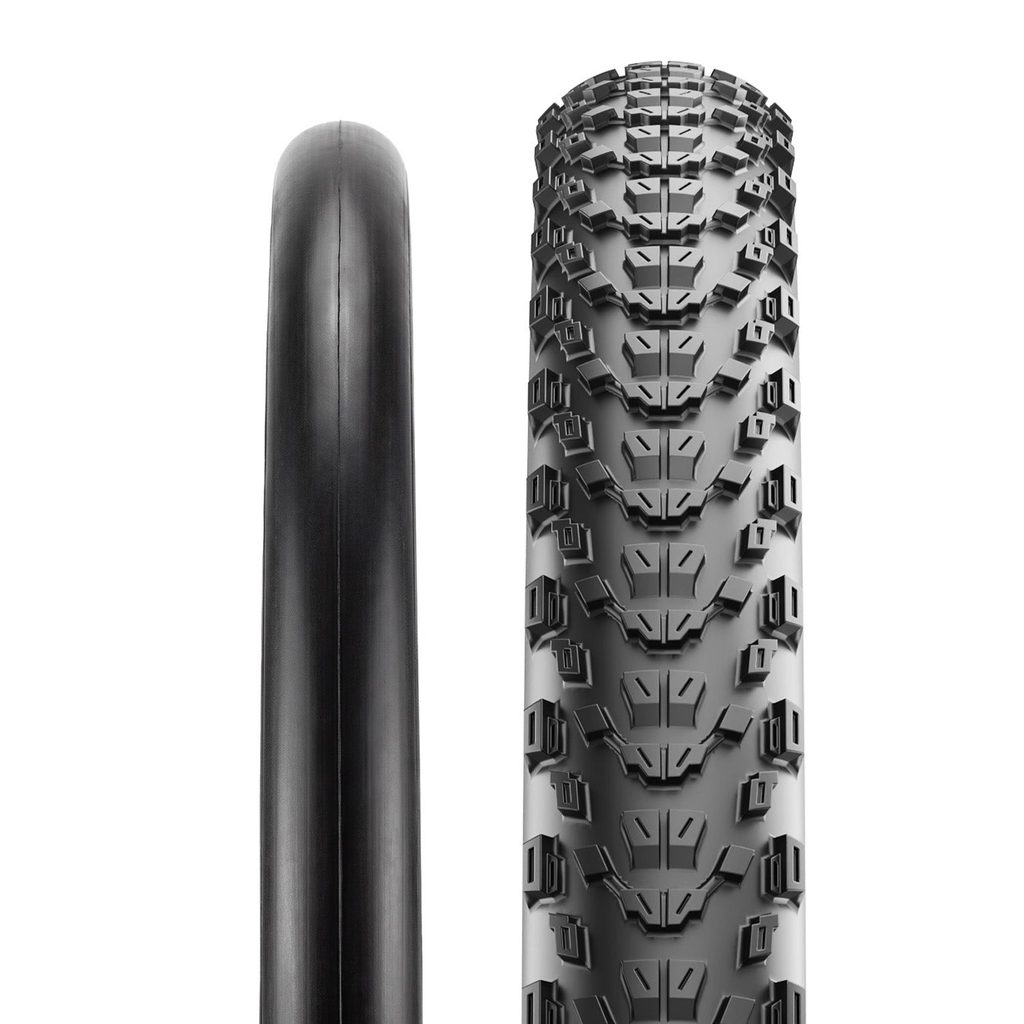
Tread design is built around specific ground conditions, and mismatching it to your trails is the single biggest reason tires underperform. Hardpack and rocky terrain call for closely spaced knobs that keep rolling resistance low while still offering enough edge to grip on rock faces. Loose, loamy, or muddy trails need the opposite: tall, widely spaced knobs that dig through soft material and clear debris rather than clogging up.
If your rides mix both conditions in a single loop, look for a tire with a transitional tread, moderate knob height with slightly wider spacing than a pure hardpack design. It won’t be the best at either extreme, but it avoids the compromises that come from running a specialized tire on the wrong surface.
Front and Rear Don’t Have to Match
Many experienced riders run a more aggressive tread up front, where steering precision and braking traction matter most, paired with a faster-rolling pattern in the rear. This setup improves overall efficiency without sacrificing the cornering confidence that comes from a grippy front tire. It’s a small adjustment that makes a noticeable difference on longer rides.
Casing and Width Change How the Tire Behaves
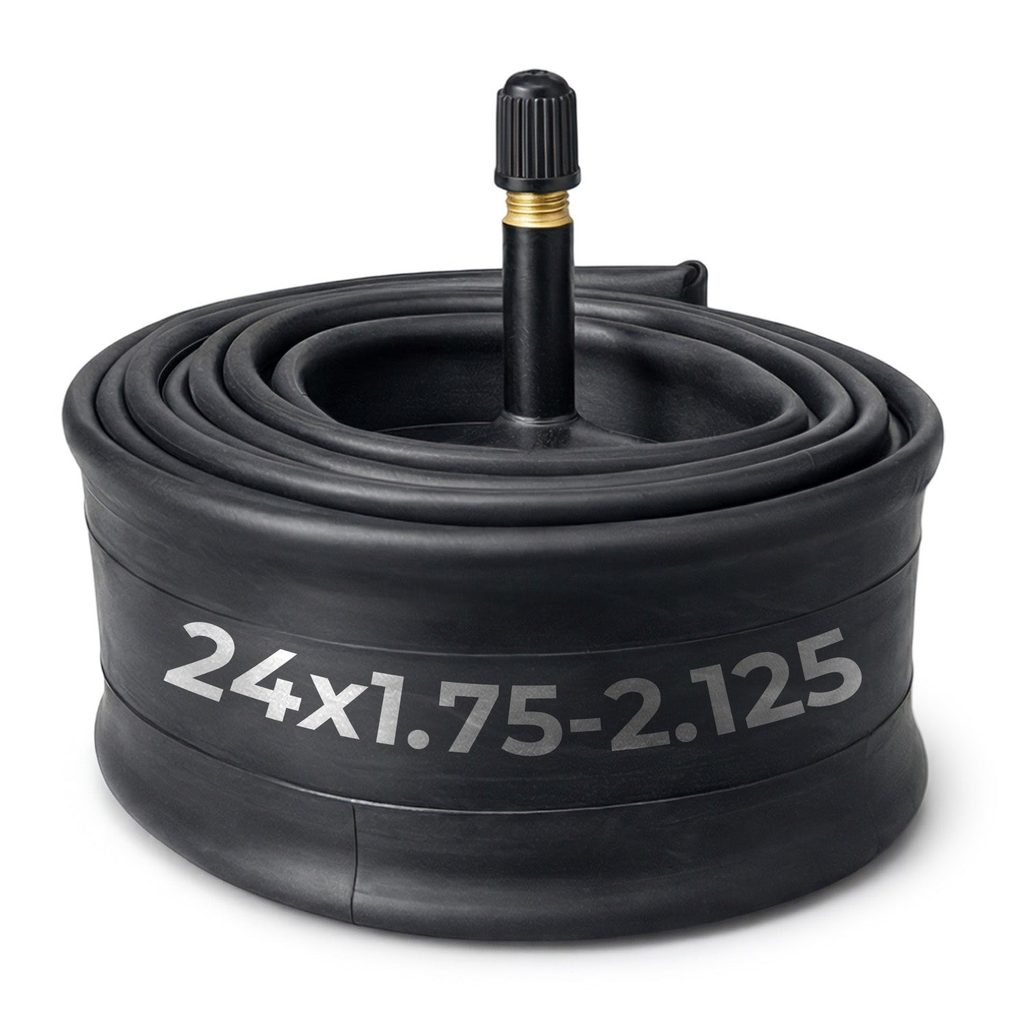
Beyond tread pattern, casing construction determines how a tire holds up to impacts and how it feels through corners. Lighter casings roll faster and feel snappier but are more prone to punctures on rocky trails. Reinforced casings add weight but resist pinch flats and sidewall cuts, which matters if your local terrain includes sharp rock gardens or roots.
Width plays a similar role. Wider tires offer a larger contact patch and more forgiving ride quality at lower pressures, while narrower options roll faster and suit riders who prioritize speed over outright cushioning. Neither is universally better, the right choice depends on your bike’s frame clearance and the kind of trails you spend the most time on.
Rear Tire Width Often Gets Overlooked
Riders frequently size their front and rear tires the same width without considering that the rear carries more of the pedaling load and benefits from a slightly narrower profile for efficiency. A modest width difference between front and rear can improve rolling speed without meaningfully affecting rear-end traction.
Compound Choice Ties Everything Together
Once tread and casing are settled, compound is the final variable that shapes real-world feel. Softer compounds grip better in a wider range of conditions but wear down faster and add rolling resistance. Firmer compounds last longer and roll efficiently, though they can feel less confident on wet rock or roots. Many riders find a middle-ground compound offers the best balance for mixed terrain, avoiding the extremes of either specialization.
Brands like Juceo build their lineups around this kind of balance, offering compound options that don’t force riders to choose between durability and grip. Browsing a mountain bike tire selection with your specific trail conditions in mind, rather than defaulting to the most popular model, tends to produce a better long-term match.
Keep a simple record of what you liked and disliked about your current tires. That short list becomes the clearest guide the next time you’re standing in front of a wall of options and need to make a fast, confident decision.
Turning Tire Shopping Into a Simple Checklist
Choosing the right tire doesn’t require memorizing every spec sheet on the market. Start with your terrain, adjust for casing durability and width based on how you ride, then fine-tune with a compound that matches your priorities. Following that order removes most of the guesswork.
Next time you’re shopping for tires, resist the urge to grab whatever looks aggressive or matches your frame color. A tire chosen to fit your actual trails will outperform one chosen on looks alone, and you’ll notice the difference on your very next ride.
