
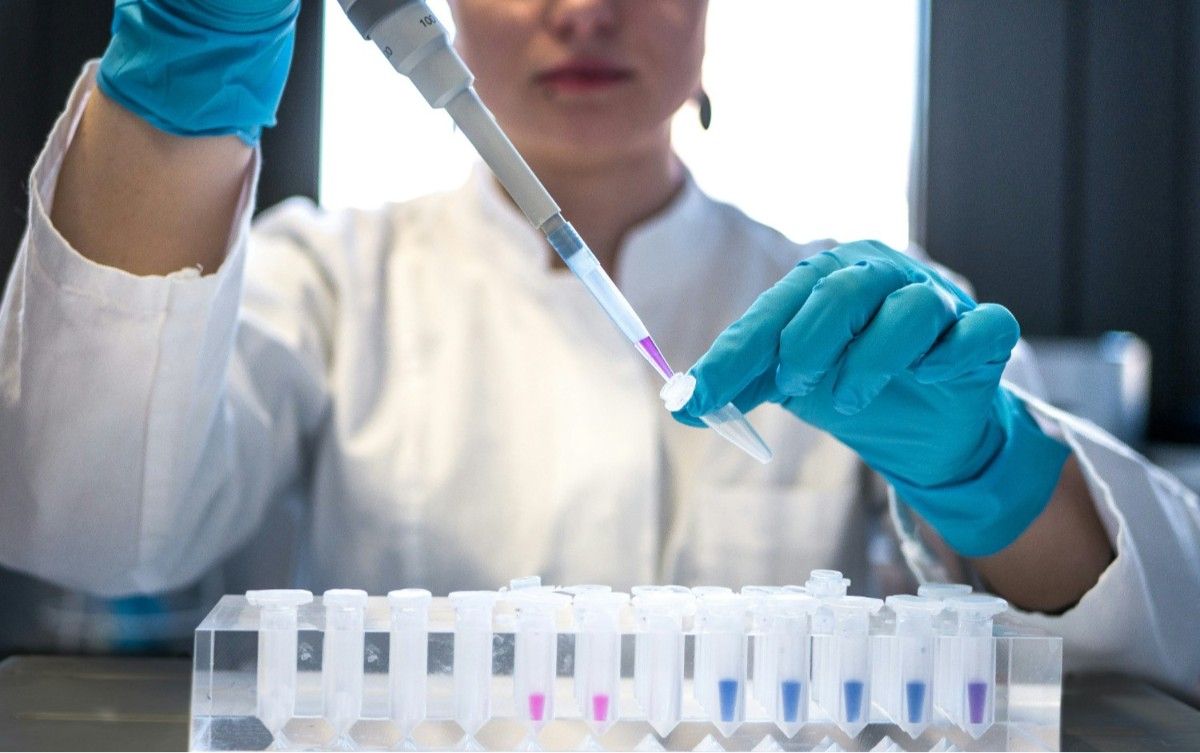
Research peptides have become a major category for laboratories studying metabolism, tissue repair, cellular signaling, inflammation, body-composition models, and recovery-related pathways. While the broader peptide market includes dozens of compounds, a few names consistently receive the most attention because they are tied to highly active research categories.
Three of the most commonly discussed are AOD9604, BPC-157, and TB-500. Each has a distinct research lane. AOD9604 is most often connected to lipid metabolism and body-composition research. BPC-157 is widely discussed in tissue-repair and gastrointestinal models. TB-500, often associated with thymosin beta-4 research, is commonly studied in relation to cell migration, tissue remodeling, and recovery signaling.
For research buyers comparing peptide options, suppliers provide access to research-use products and peptide education built around laboratory applications.
Table of Contents
Why Research Peptides Are So Widely Studied
Peptides are short chains of amino acids that can be evaluated for their interaction with specific biological pathways. That specificity is one reason they are valuable in research. Instead of studying broad compounds with wide systemic activity, researchers can evaluate more targeted signaling pathways.
The top-used research peptides tend to fall into a few major categories:
Metabolic research
Tissue-repair models
Inflammatory-response studies
Growth hormone-axis research
Skin and collagen research
Cellular-aging and mitochondrial studies
Cognitive and neurological research
AOD9604, BPC-157, and TB-500 sit near the top of the market because they fit into large research categories with strong demand. They are also frequently compared because each one is associated with a different research purpose.
AOD9604: A Leading Peptide in Metabolic Research
AOD9604 is one of the most recognized peptides in metabolic and body-composition research. It is commonly discussed as a modified fragment related to human growth hormone, with research interest focused on lipid metabolism, fat-signaling pathways, and adipose tissue models.
Unlike full human growth hormone, AOD9604 is typically discussed as a narrower research compound. Its strongest association is not broad hormone activity but metabolic pathway research. This makes it relevant for laboratories studying how fat-related signaling, energy balance, and body-composition mechanisms may be evaluated in controlled settings.
One of the most common product formats is AOD9604 5mg. The “5mg” refers to the amount of peptide material in the vial, not the volume of liquid. This distinction matters because research peptides are typically supplied by mass and used according to controlled laboratory protocols.
Researchers reviewing this compound can find AOD9604 5mg online at a reputable research peptide seller/distributor.
AOD9604 should be discussed carefully. It is not an approved consumer weight-loss treatment or a guaranteed body-composition product. The proper framing is research-focused: AOD9604 is a peptide of interest in studies involving lipid metabolism and related biological pathways.
BPC-157: A Core Peptide in Tissue-Repair Research
BPC-157 is one of the most frequently discussed peptides in repair-focused research. It is commonly studied in relation to soft tissue, tendons, ligaments, gastrointestinal tissue, inflammatory response, and recovery-related models.
Its popularity comes from its clear research category. BPC-157 is not mainly positioned as a metabolic peptide. It is more commonly connected to how biological systems respond to stress, tissue damage, and repair environments.
That makes BPC-157 especially relevant for laboratories evaluating tissue remodeling, inflammatory signaling, and localized repair pathways. It is often mentioned alongside TB-500 because both peptides are tied to repair-related research, although they are not the same compound and should not be treated as interchangeable.
Researchers can review BPC-157 5mg research protocols and other reconstitution related information online or through reputable media outlets.
BPC-157 remains popular because it has a straightforward research identity. In a market where some peptide claims become vague or overextended, BPC-157 is most responsibly described as a research peptide connected to tissue-repair and gastrointestinal models.
TB-500: A Widely Discussed Peptide in Regeneration and Recovery Models
TB-500 is commonly discussed in relation to thymosin beta-4 research. It is often associated with studies involving cell migration, wound-repair models, angiogenesis, tissue remodeling, and repair signaling.
Where BPC-157 is often tied to localized repair and gastrointestinal models, TB-500 is more commonly discussed in broader regeneration and cellular-movement research. That difference is important. The two peptides may appear in the same general category, but researchers typically evaluate them through different mechanisms.
TB-500 is frequently discussed in studies involving how cells move, respond to injury, and participate in tissue-repair environments. This makes it relevant in research conversations around soft tissue models, recovery signaling, and structural tissue response.
TB500 5mg research peptide information is also readily available online, and can be used to identify the best uses and information related to these products.
TB-500 should not be described as a treatment, therapy, or recovery shortcut. Its strongest use case is as a research peptide tied to regeneration-focused laboratory models.
How AOD9604, BPC-157, and TB-500 Compare
AOD9604, BPC-157, and TB-500 are often grouped together because they are popular, but they do not serve the same research purpose.
AOD9604 is most commonly associated with metabolic research. Its main research lane includes lipid metabolism, adipose tissue signaling, and body-composition-related models. With that in mind, BPC-157 is most commonly associated with tissue repair. Its research lane includes soft tissue, tendon, ligament, gastrointestinal, and inflammatory-response models. Separately, TB-500 is most commonly associated with regeneration and cell migration. Its research lane includes tissue remodeling, wound-repair models, angiogenesis, and recovery signaling.
That separation matters. Researchers should not choose peptides based only on popularity. The better approach is to match the peptide to the pathway being studied.
Other Frequently Used Research Peptides
Although AOD9604, BPC-157, and TB-500 receive strong attention, they are part of a much larger research peptide market.
Ipamorelin is frequently studied in growth hormone secretagogue research and pituitary signaling models.
Sermorelin is commonly discussed in growth hormone-releasing hormone research.
CJC-1295 is often evaluated in growth hormone-axis studies, with researchers distinguishing between versions with and without DAC.
GHRP-2 and GHRP-6 are both growth hormone-releasing peptides commonly discussed in endocrine and appetite-related models.
GHK-Cu is widely studied in skin, collagen, wound-repair, and extracellular matrix research.
Epithalon is often discussed in cellular-aging, circadian rhythm, and longevity-related models.
Semax and Selank are commonly associated with cognitive, neurological, and stress-response research.
These compounds show how broad the peptide market has become. The strongest research conversations are no longer built around one category. They span metabolism, repair, regeneration, endocrine signaling, skin biology, brain pathways, and cellular aging.
Why Supplier Quality Matters
Sourcing any peptides used for research or research purposes should always be done through suppliers and sources that have a reputation of quality service and communication with their client base.
High-demand peptides can attract low-quality suppliers. Without proper labeling, documentation, and consistency, the research process becomes harder to control. Poor sourcing can create issues with identity, purity, storage, lot tracking, and data interpretation.
Researchers should look for suppliers that provide clear product descriptions, research-use language, organized product pages, and straightforward catalog navigation. For commonly searched peptides such as AOD9604, BPC-157, and TB-500, supplier transparency is not optional. It is part of responsible research procurement.
The Bottom Line
AOD9604, BPC-157, and TB-500 remain three of the top-used research peptides because they align with major areas of laboratory interest.
AOD9604 is most closely tied to metabolic and lipid-signaling research. BPC-157 is widely discussed in tissue-repair and gastrointestinal models. TB-500 is commonly associated with regeneration, cell migration, and tissue-remodeling research.
Each peptide has a different role. AOD9604 is not BPC-157. BPC-157 is not TB-500. TB-500 is not a metabolic receptor peptide. The most effective way to compare them is by pathway, not popularity.
For research buyers, the priority should be clear: identify the study category, understand the peptide’s research lane, and source from suppliers that provide transparent research-use products.

