
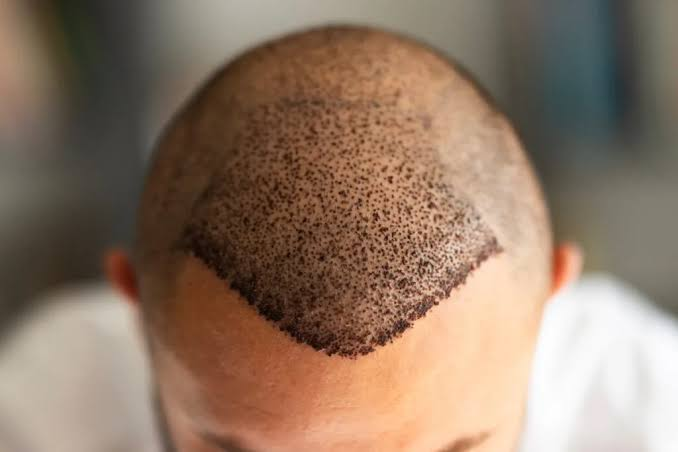
When you start researching hair restoration, it can feel as though every clinic has a different answer. You may see unfamiliar procedure names, impressive transformation photographs and packages that promise to organise your entire trip. What you really need is a clear way to understand your options and decide whether treatment fits your needs.
A useful starting point is to treat the process as a series of decisions. First, find out what is causing your hair loss. Then explore whether surgery is appropriate, what improvement is realistic and how your care would continue after you return home. With the right questions, you can move from browsing offers to making an informed choice.
Understand your hair loss before choosing treatment
A hair transplant moves existing hair into thinning or bald areas. It does not create additional follicles or address every cause of hair loss. The American Academy of Dermatology explains that suitability depends on having enough healthy donor hair and the ability to grow hair in the recipient area. Your assessment may include a scalp examination and, where necessary, further investigations.
Before a consultation, write down when your thinning began and how it has changed. Mention any scalp symptoms, previous treatments, medical conditions and medicines or supplements you take. You do not need to diagnose yourself. Your role is to give the clinician an accurate picture of your history and explain what concerns you most.
Make room for an answer other than immediate surgery. Ask whether you would benefit from further investigation, a period of monitoring or another treatment first. Understanding why an option is recommended helps you assess the advice more confidently than a package description alone.
Look for a clinic that explains the full journey
When reviewing providers such as Dr.Vivo Hair Clinic, use the information available to prepare specific questions for your consultation. The clinic’s website describes a process that includes an assessment, a written plan and graft estimate, travel arrangements, aftercare instructions and follow-up reviews. Confirm how each stage would apply to your case before making a commitment.
A useful conversation should leave you able to explain what happens before, during and after treatment. Ask who will assess you, what can be established from photographs and what requires an in-person examination. Find out whether the plan or quotation could change after you arrive, and how that decision would be discussed with you.
You should also know whom to contact at each stage. A coordinator can help organise appointments and travel, but clinical questions need answers from an appropriately qualified clinician. Ask how you can speak with the doctor responsible for your care and when that discussion will take place.
Set goals that are specific and realistic
Think about what you would most like to change. You may want a more defined hairline, better coverage through the front or less visible thinning at the crown. Explaining your main priority gives the consultation a practical focus and helps you judge whether the proposed plan responds to your concern.
Bring photographs if they help you communicate, but use them as a starting point for discussion. Ask what can realistically be achieved with your available donor hair and what limitations the clinician sees. If your desired coverage is not achievable in one procedure, ask how the alternatives differ and what each would involve.
Discuss how the plan accounts for possible future thinning. Ask why a particular hairline position or graft distribution has been proposed and how the result might look over time. You should understand the reasoning behind the design before you are asked to approve it.
Ask what the procedure names mean for you
Technique names can make comparison harder when you are unfamiliar with the terminology. Dr Vivo lists FUE, DHI and Sapphire options. Its website describes DHI as individual graft harvesting followed by implanter pen placement, while Sapphire refers to the blade material used to make recipient incisions. These labels describe different aspects of treatment.
Instead of choosing a label first, ask the clinician to explain the recommended procedure step by step. What happens in the donor area? How are grafts placed? Which areas need shaving? Why is this approach appropriate for your goals? Request an explanation you can understand without having to interpret technical language.
Also ask whether another approach would be reasonable and why the recommendation differs. A clear answer should relate to your assessment. If the explanation relies entirely on a technique being newer or more expensive, ask for more detail about the expected benefit in your particular case.
Review the people behind the treatment
Before booking, request the name and qualifications of the doctor responsible for your care. Ask about their experience with cases that resemble yours and who performs each part of the procedure. Knowing how the team works is more useful than relying on a general description of an experienced clinic.
Review photographs and patient feedback with questions in mind. For photographs, ask how long after treatment they were taken and whether the person had more than one session. For reviews, look for details about communication, consultations and follow-up, as well as satisfaction with appearance.
Keep your own expectations separate from another patient’s story. A review can describe someone’s experience, but it cannot establish your suitability or predict your result. Use the consultation to connect what you have seen online with your own starting point and treatment plan.
Compare written quotations carefully
To compare costs fairly, request an itemised quotation. Ask what is included in the procedure fee and which services are separate. Accommodation, transfers, medicines, tests and follow-up appointments should be clearly identified, with any limits explained in writing.
Check what happens if the plan changes. Would a different graft estimate alter the price? Are additional hotel nights included if you need to stay longer? What are the cancellation and refund terms if surgery is postponed or considered unsuitable after examination? Resolve these questions before paying a deposit.
Your personal budget should include flights, meals, time away from work and flexibility around your return. Check insurance terms directly with the insurer, particularly for planned treatment abroad and related complications. Keep copies of your quotation, booking terms and correspondence so you can refer to the details later.
Plan your recovery before booking your flights
Recovery deserves space in your schedule. The NHS notes that you may need one to two weeks away from work after a hair transplant and must protect the grafts carefully during the first two weeks. Temporary swelling, soreness and scabbing can occur. Surgery also carries risks, including infection, bleeding, anaesthetic reactions, scarring and poor graft growth.
Ask for written instructions covering washing, sleeping, physical activity and your usual work duties. Explain if your job requires a helmet, outdoor work or strenuous activity. Request individual advice about when you can return to those tasks rather than planning around someone else’s recovery experience.
Confirm when your first review will happen and how your clinician decides you are ready to travel. Make sure your itinerary allows you to attend the recommended appointments. If you are travelling with someone, ask whether they can receive the practical aftercare information with your permission.
Arrange follow-up that continues at home
Before leaving the clinic, save the contact details for routine questions and urgent concerns. Ask who monitors messages, what the response arrangements are outside normal hours and when you should seek local medical care. You should not have to work out those arrangements while dealing with an unexpected symptom.
Clarify how progress will be reviewed after your return. Will you submit photographs, have video appointments or need an in-person examination? Ask what information the clinic needs at each stage and whether there are additional charges. A written schedule makes follow-up easier to fit into daily life.
If you develop severe pain or unexpected symptoms, contact the treating clinic promptly and seek appropriate local assessment when needed. The NHS advises contacting your clinic as soon as possible for these concerns. Do not rely on online photographs to decide whether a problem needs attention.
Give yourself time to assess the result
Hair growth develops gradually. According to the American Academy of Dermatology, transplanted hairs commonly shed between two and eight weeks after surgery. Most patients see results between six and nine months, while some need twelve months. Knowing this in advance can make the early stages less confusing.
Ask how your clinician will assess progress and what changes should prompt a review. If you take photographs, keep the lighting, angles and hair condition as consistent as possible. Use your agreed review dates to discuss concerns rather than making daily comparisons with other people’s results.
Your existing hair can continue thinning around a transplant, so ask whether ongoing treatment is appropriate. The NHS highlights the importance of planning for this possibility. Understanding the longer-term picture helps you consider hair restoration as continuing care rather than a single appointment.
Make your decision with the important details in place
You do not need to become a hair transplant specialist to make an informed choice. You do need a clear explanation of your suitability, a realistic plan, transparent costs and a follow-up arrangement you understand. Take the time to review those details and raise any remaining questions before committing.
A well-prepared consultation gives you something more useful than a quick recommendation. It helps you decide whether the proposed treatment fits your goals, your schedule and your comfort with the risks. That clarity is a strong foundation for planning your next step.

