
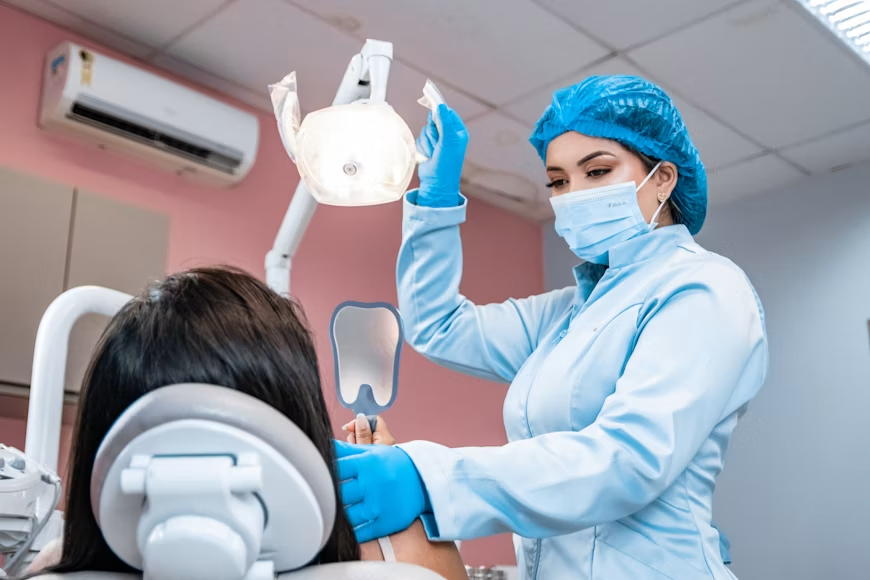
At first, it was one postponed appointment. Then work got busy, insurance changed, or another expense took priority. Before long, several years had passed.
Returning to the dentist after a long break can feel uncomfortable. You may be worried about what the examination will reveal, how much treatment could cost, or having to explain why you stayed away. Those concerns are worth discussing, but you do not need to resolve them before making an appointment.
The first step is finding out where things stand. From there, you and the dentist can discuss what needs attention and make a plan you understand.
Table of Contents
Explain the Situation When You Book
When calling a practice, say that it has been some time since your last dental visit. You do not need to give a long explanation. A simple statement—“I haven’t had a checkup in several years, and I’d like to get started again”—gives the team useful context.
Mention any current discomfort, broken teeth, swelling, or other concerns. This helps the practice determine how to schedule your visit.
If anxiety has kept you away, bring that up during the call. Ask how the team supports nervous patients and whether you can discuss your concerns before the examination begins. It is easier to talk about what you need when you are not already feeling rushed.
Prepare Useful Information, Not Excuses
There is no need to rehearse a defense of the gap in your care. Instead, gather information that will help the dentist assess your current needs.
Bring a list of medications, allergies, and relevant medical conditions. If you have records from a previous practice, ask whether transferring them would be helpful.
Write down symptoms you have noticed, including when they occur. For example, explain whether a tooth hurts when chewing or whether cold drinks cause sensitivity. If you avoid brushing a particular area because it feels uncomfortable, mention that too.
These details give the dentist a clearer picture than simply saying that your teeth feel fine—or that you suspect everything is wrong.
Know What the First Visit May Involve
The first appointment is an assessment, and its scope depends on your circumstances.
The American Dental Association’s guide to dental visits explains that a checkup can include reviewing medical history, examining the mouth, and deciding whether X-rays are needed. The dentist may also assess the gums and discuss any findings with you.
Ask what is planned before the appointment starts. If you expected a cleaning, confirm whether it will happen that day or whether the examination needs to come first.
Patients contacting Commonwealth Family Dentistry in Chester can explain the length of their break in care and ask what to expect when arranging an appointment. That initial conversation is also a good time to raise questions about costs and scheduling.
Don’t Try to Predict the Results
It is easy to assume that a long gap automatically means extensive treatment. It is equally easy to assume that no pain means no problems. Neither assumption replaces an examination.
The National Institute of Dental and Craniofacial Research’s information on gum disease explains how plaque and tartar can contribute to damage affecting the gums and tissues supporting the teeth.
Let the dentist assess your mouth rather than trying to estimate the outcome from appearance alone. Ask them to show you what they found and explain what it means. Understanding a finding is different from simply hearing a list of procedures.
Ask for Priorities and a Written Estimate
If treatment is recommended, you should understand why. Ask which concerns need prompt attention, which can be monitored, and whether there are reasonable alternatives.
Discuss the number of appointments, expected costs, and any follow-up requirements. If insurance is involved, ask what still needs to be confirmed rather than assuming every service will be covered.
Budget concerns belong in this conversation. Explain what you can manage and ask whether treatment can be organized in stages when clinically appropriate. A written plan gives you something to review after the appointment, when you have time to think.
Leave With One Clear Next Step
You do not have to solve every dental concern in one day. Before leaving, confirm what happens next: another appointment, a treatment decision, or a change to your home-care routine.
Ask for clarification if you are uncertain about an instruction. Returning to dental care is easier when the next step is specific and manageable.
About the Contributor
Commonwealth Family Dentistry is a dental practice in Chester, Virginia. Individuals and families can contact the practice to discuss appointment options, current dental concerns, and returning to care after time away.

