
Your marketing is working. Carts are full, orders are coming in, and your sales are finally growing. But then the emails start. Customers got the wrong product. An order of two items arrived with only one. A package for California ended up in Florida. Suddenly, you’re spending all your time putting out customer service fires instead of growing your business.
This is when many growing brands realize their first fulfillment plan isn’t working. The dynamic growth of online retail, a key aspect of e-commerce, makes robust fulfillment strategies essential for success, as highlighted by Pew Research Center. That cheap per-order fee that looked so good is now buried under the high costs of mistakes, lost products, and a damaged reputation. The complexity of managing supply chains, as highlighted by the BLS in its occupational outlook for logisticians, underscores the need for robust fulfillment strategies. Choosing a third-party logistics (3PL) partner is one of the most important decisions you’ll make. A great partner feels like part of your team, but the wrong one can slowly sink your business with lots of small, costly mistakes.
The key is to look beyond simple price comparisons. When you check out a potential partner, whether it’s a well-placed fulfillment center utah or a national company, you need to look deeper. You have to understand all their fees, their technology, and if they can really handle your company as it gets bigger.
Quick answer: Choosing a fulfillment partner based on the lowest pick-and-pack fee is a common and costly mistake. Your real cost includes storage, receiving, setup, and special project fees. The right partner is one whose systems and ability to scale match your growth plan.
What’s inside
- Why the “Per-Order” Quote Is Only Half the Story
- How Do I Evaluate a 3PL Beyond Their Price Sheet?
- How Do Special Projects Like Kitting Expose a 3PL’s Weaknesses?
- Frequently Asked Questions
- Choosing a Partner, Not Just a Price Tag
Table of Contents
Why the “Per-Order” Quote Is Only Half the Story
The per-order fee often leaves out major operational costs for receiving, storage, and account management. These can make your real monthly bill much higher. A low pick-and-pack rate is meant to get your attention, but the real costs are in the details of a 3PL’s full price list. You have to understand these other costs to know what you’ll really spend and to protect your profits.
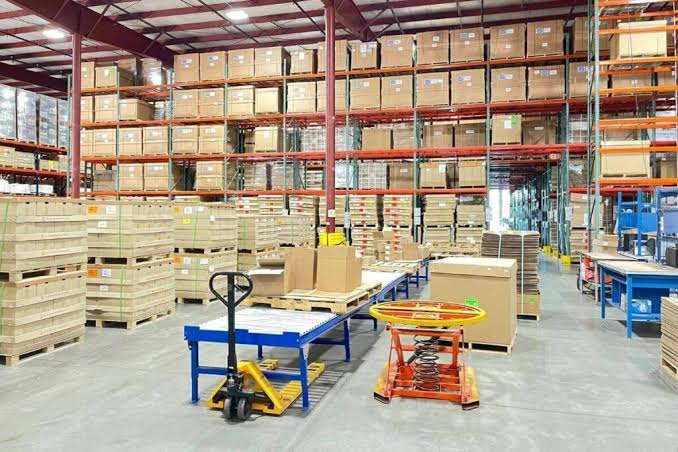
Your first hidden cost shows up the moment your products arrive at the warehouse. This process is called “inbound receiving.” It includes unloading trucks, counting every item, checking for damage, and adding each product type (SKU) to their computer system. Most fulfillment centers charge for this work by the hour. If your products arrive in a mess or with the wrong labels, your receiving bill can shoot up unexpectedly.
Storage fees are another area where costs can be very different. A provider might charge by the pallet, by the bin, or by the amount of space your products take up. Many also add long-term storage fees for products that don’t sell for a few months. This becomes a penalty for slow-moving items. As online shopping grows, warehouse space is getting more expensive, which pushes storage fees higher for everyone.
❝ Ask a potential partner for a complete rate sheet, not just a summary. Look for items like “inbound receiving labor,” “kitting,” “long-term storage,” and “account management fee.” If a fee is listed as “variable” or “per hour,” ask for a detailed example based on a real situation for your business.
Finally, think about the technology. Connecting your e-commerce store to the 3PL’s software is rarely free. You might have to pay a one-time setup fee or a monthly software fee. If the connection breaks or an order doesn’t sync correctly, you could also be billed for the tech support needed to fix it. These small but regular costs add up, turning a low per-order price into a much bigger monthly bill.
How Do I Evaluate a 3PL Beyond Their Price Sheet?
You should check out a potential partner by looking closely at their technology, asking for real numbers about what they can handle, and getting clear promises in writing, called Service Level Agreements (SLAs). A good review process looks past the sales pitch. It focuses on three things that affect your customers and your money: technology, ability to grow, and written promises.
First, test their technology. Don’t just ask if they connect with your e-commerce platform. Ask for a live demo of their client website. This dashboard is your daily window into their work. Can you see current inventory levels for each product? Can you create reports on order status, shipping costs, and returns without having to email someone? A modern fulfillment center runs on a Warehouse Management System (WMS). This is the software that tracks every item from the receiving dock to the shipping label. Ask how they handle order sync problems and what their written process is for fixing them. The quality of their answers shows their technical skill.
Next, check if they can scale with you. Your business will have busy times from sales or holidays. A 3PL must be able to handle more orders without service getting worse. Ask for specific numbers from their last peak season, like Black Friday. What was their average shipping time then? What is the most orders they can ship in one day? A partner who is open and honest will have this information ready for you. If they hesitate or give unclear answers, it might mean they can’t handle a fast-growing company.
❝ A key question for references is, “Can you connect me with a client in my product category who has grown their order volume by at least 5x while with you?” This type of reference is much more valuable than a simple testimonial. It gives you real proof that the 3PL can handle growth like yours, not just a business that stays the same size.
Finally, check the contract for specific, measurable promises. This is where spoken promises become official. The contract should have clear Service Level Agreements (SLAs), which are guarantees about their performance. You should look for partners willing to promise to meet industry standards, like those from groups like the Council of Supply Chain Management Professionals (CSCMP). If they are not willing to put performance goals in writing, that is a major red flag.
Use this checklist to compare potential partners:
| Evaluation Area | What to Ask For | Red Flag to Watch For |
| Technology | A live demo of their client portal and WMS. | No self-service reporting; unclear answers on integrations. |
| Scalability | Peak season performance data (orders/day, ship times). | Can’t provide specific capacity numbers or case studies. |
| Accuracy | Written SLAs for order and inventory accuracy rates. | No financial penalties or fixes for missing SLA targets. |
| Client Fit | References from clients with similar products and growth. | Only provides references for new or very small clients. |
A partner’s willingness to share this level of detail shows they are confident in their systems and committed to being honest.
How Do Special Projects Like Kitting Expose a 3PL’s Weaknesses?
These projects show how organized a partner really is. Putting kits together correctly takes more than just cheap workers. Kitting is the process of combining several different products (SKUs) into one new package to sell. It’s common for gift sets, subscription boxes, or special deals. It sounds simple. But it’s really like running a small factory inside a warehouse. If it’s not managed well, it can lead to many expensive mistakes.
A weak fulfillment partner handles kitting with verbal instructions and a loose plan. This method almost always fails. Imagine you want to create a holiday gift box with a coffee mug, a bag of coffee beans, and a coaster. Without a strict system, things can get messy fast. Workers might grab the wrong size mug, use too little packing material so items break, or forget the coaster. The new kits get a new product code (SKU), but if the process was sloppy, you now have a pallet of products with a label that doesn’t match what’s inside. This one mistake can cause problems for weeks. It leads to wrong shipments, unhappy customers, and costly returns.
A professional company, on the other hand, treats kitting like a detailed engineering project. They won’t start the work without a formal document called a Bill of Materials (BOM). This paper lists every single part by its exact SKU, including the box, the packing filler, and any flyers. They will then build one perfect “golden sample” for the assembly line to copy, making sure every single kit is the same. The whole job is managed through their WMS, which tracks the parts being used and the creation of the new finished kit. This stops the “mystery stock” problem, where parts are used but not removed from the computer system, making it look like you have inventory that isn’t really there.
❝ Before you sign a contract, ask a potential 3PL to explain their written process for a multi-item kitting project. Ask specifically how they handle a change in the middle of a project, like swapping one item for another. Their answer will tell you everything about their process. A great partner will describe a formal change order process; a weak one will say, “We’ll just tell the team on the floor.”
This level of organization isn’t free. Kitting is usually billed as a separate project, often by the hour. But paying for a well-organized process is much cheaper than paying to fix all the mistakes later. The real cost of a bad kitting job isn’t the wasted work; it’s the cost of products you can’t sell, the shipping for returns, and the permanent loss of a customer who got the wrong order.
Frequently Asked Questions
What is the difference between a 3PL and a fulfillment center? A fulfillment center is the actual building where your products are stored, picked, and packed. A 3PL, or Third-Party Logistics provider, is the company that runs that building and provides the complete service. A single 3PL might run several fulfillment centers across the country, which lets you place your products closer to your customers.
What are the most common pricing models for fulfillment? Most 3PLs use a price structure with many parts, not a single flat rate. You can expect to see separate charges for initial setup, receiving your inventory, monthly storage based on space used, and a “pick and pack” fee for each order they process. The last part is the actual cost of shipping, which the 3PL passes on from carriers like UPS or FedEx, often with a discount.
How does a 3PL handle customer returns? This important process is called reverse logistics. When a customer sends a product back, the 3PL receives it at their warehouse. Based on your rules, their team will check the item for damage, decide if it can be resold, and either put it back in your active inventory or set it aside. This service is key for keeping correct stock counts and managing the cost of returns.
Is there a minimum number of orders I need to ship per month? Yes, most established 3PLs have monthly order minimums to make sure the partnership is worth it for both sides. These minimums can be a few hundred orders per month for companies that work with startups, or several thousand for those that serve larger brands. It’s one of the first questions you should ask to make sure a provider is a good fit for your business size.
Do I need a fulfillment center in multiple locations? For many businesses, using more than one warehouse is key to offering fast and affordable shipping. By splitting your inventory between two or three well-placed fulfillment centers, you can reach most of the U.S. within two days using ground shipping. This means you don’t have to use expensive air shipping as much and can meet customer expectations for fast delivery.
Choosing a Partner, Not Just a Price Tag
The search for a fulfillment provider often starts with a focus on the cost per order. But the most expensive mistakes are rarely on a price list. A cheap provider who messes up a kitting project or can’t handle your busy season can cause damage that costs way more than what you saved on shipping. The real cost of a bad partner is lost customers, a damaged reputation, and all the time you waste fixing their mistakes instead of growing your business.
In the end, you are not just buying warehouse space. You are trusting another company with a key part of your customer’s experience. Asking questions about technology, growth, and procedures is how you measure how organized and reliable a provider is. A partner who can show you they have a strong, system-based way of handling hard tasks is a partner who can support you as you grow.
Your final choice should be based on proof of a good process, not just a low price. Look for the partner who treats your inventory with the same care you would. When they do their job well, you can focus on your products and customers, knowing that the final step of delivery is in good hands.
About the author
The team at Ship Offers shares knowledge from more than 20 years in third-party logistics (3PL) and e-commerce fulfillment. Founded in 2001, the company provides pick, pack, and ship services around the world for brands that sell directly to customers, with a focus on the health and beauty industry. They manage the whole process, from creating and sourcing products to shipping orders that come from different sales channels from their facilities in North America and Europe, helping entrepreneurs grow their physical product businesses.
7

