
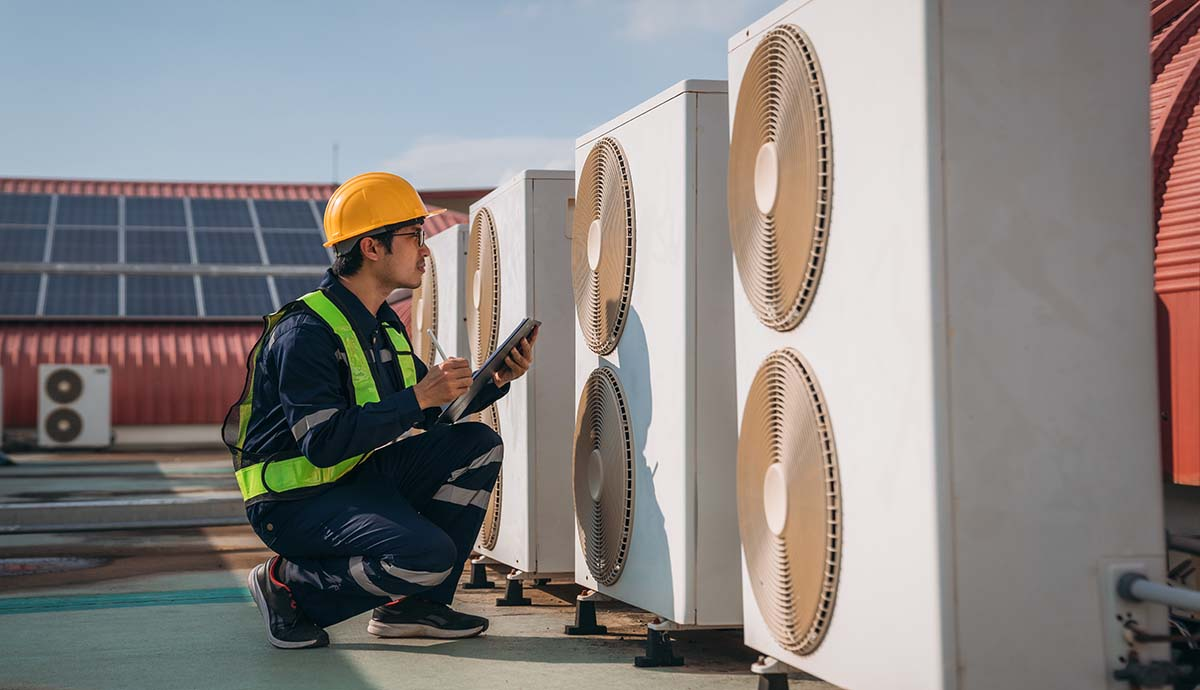
Rising temperatures are prompting UK businesses to rethink how they manage their premises, with new research suggesting that keeping commercial buildings cool is becoming an increasingly important operational concern.
According to research published by edie in August 2026, 37% of UK businesses have already invested in measures to adapt to extreme heat, while a further 23% are considering doing so. Upgrading cooling equipment, including air conditioning and ventilation, was among the most common responses, with 28% of businesses investing in these improvements.
The findings reflect a growing challenge for organisations operating offices, retail premises, restaurants, warehouses and other commercial buildings. As hotter summers become a bigger concern, businesses are having to look beyond traditional approaches to workplace comfort and consider how temperature affects employees, customers, equipment, and everyday operations.
Table of Contents
Commercial Premises Face Growing Pressure to Manage Indoor Temperatures
For many businesses, maintaining a comfortable indoor environment is about more than employee convenience. High temperatures can affect concentration, disrupt working patterns and make certain commercial environments difficult to operate.
Retailers need to maintain comfortable shopping conditions for customers, while restaurants and hospitality venues must manage heat generated by cooking equipment alongside rising outdoor temperatures. Offices, meanwhile, can become uncomfortable when large windows, electronic equipment, and high occupancy levels combine.
The Health and Safety Executive (HSE) advises employers to provide a reasonable working temperature and take practical steps when employees become too hot. These can include improving ventilation, providing cooling equipment, using fans and introducing additional breaks.
Although UK legislation does not set a single maximum workplace temperature, employers remain responsible for protecting employees from the risks of excessive heat.
For businesses operating year-round, a properly maintained cooling system can therefore be part of a wider approach to workplace management.
Air Conditioning Maintenance Becomes an Operational Consideration
As more organisations depend on mechanical cooling, the condition of existing equipment is receiving greater attention.
An air conditioning system that has not been properly maintained may become less efficient, consume more electricity or struggle to deliver consistent temperatures during periods of heavy demand. Unexpected breakdowns can also create difficulties for businesses that depend on controlled indoor environments.
Restaurants, server rooms, healthcare premises and manufacturing facilities can be particularly affected when cooling equipment stops working.
Regular maintenance helps businesses spot potential problems before they become more expensive repairs. It can also involve cleaning filters, checking electrical components, inspecting drainage systems and assessing refrigerant performance.
Businesses looking to maintain their existing equipment can arrange an air conditioning unit service to keep systems operating effectively and identify issues that could affect performance.
The timing of maintenance can also make a difference. Waiting until the hottest part of summer to investigate a poorly performing system may leave businesses competing for emergency appointments when demand for engineers is already high.
Energy Efficiency and Compliance Add to Business Responsibilities
Cooling requirements are also connected to wider energy management responsibilities.
Air conditioning can increase electricity consumption, particularly in buildings where systems operate for extended periods or are poorly configured. Businesses are therefore under pressure to balance indoor comfort with running costs and environmental considerations.
Government guidance for England and Wales also sets out inspection requirements for larger air conditioning systems. Systems with an effective rated output exceeding 12kW must be inspected by an accredited energy assessor at intervals of no more than five years.
These inspections are intended to identify opportunities to improve efficiency, reduce energy consumption and highlight whether existing equipment could benefit from replacement or upgrades.
The requirements apply to qualifying systems across commercial premises, including arrangements where several smaller units combine to exceed the 12kW threshold.
Responsibility generally rests with the person who controls the system’s technical operation, which may be a building owner, manager, or occupier depending on the arrangements in place.
This makes it important for businesses to understand not only how their cooling equipment operates but also which inspection and maintenance responsibilities apply to their premises.
New Commercial Installations Could Help Businesses Prepare for Future Demand
For organisations operating in older buildings, maintaining an existing system may not always be enough. Some premises were designed when prolonged periods of high temperatures were less of a consideration, leaving businesses with cooling equipment that no longer meets their operational requirements.
A new installation may provide an opportunity to assess the building’s layout, occupancy levels, insulation, ventilation and heat-generating equipment before selecting an appropriate cooling solution.
Different commercial environments have different requirements. An office may need separate temperature controls for individual work areas, while a restaurant could require a system that can manage heat from kitchens and customer spaces.
Warehouses and industrial premises may have additional challenges because of their size, machinery and the movement of people and goods.
Businesses considering an upgrade can explore commercial air conditioning installation as part of a wider review of their premises and cooling requirements.
Professional assessment is important because an incorrectly sized system can create unnecessary running costs or fail to provide adequate cooling. Installation decisions should reflect the building’s actual requirements rather than simply choosing equipment based on floor area.
Planning Could Reduce Disruption for UK Businesses
The latest investment figures suggest businesses are increasingly recognising extreme heat as something to consider in operational planning.
Rather than waiting for equipment to fail or indoor temperatures to become uncomfortable, organisations can review their existing systems, assess maintenance requirements and identify whether improvements are needed.
The challenge is likely to extend beyond offices and large commercial properties. Smaller retailers, independent restaurants, professional practices and other businesses also need to consider how their premises will cope with changing weather conditions.
As cooling becomes a more important part of commercial building management, maintenance, energy efficiency, and proper installation will all play a role in helping businesses stay comfortable and operational during warmer periods.

