
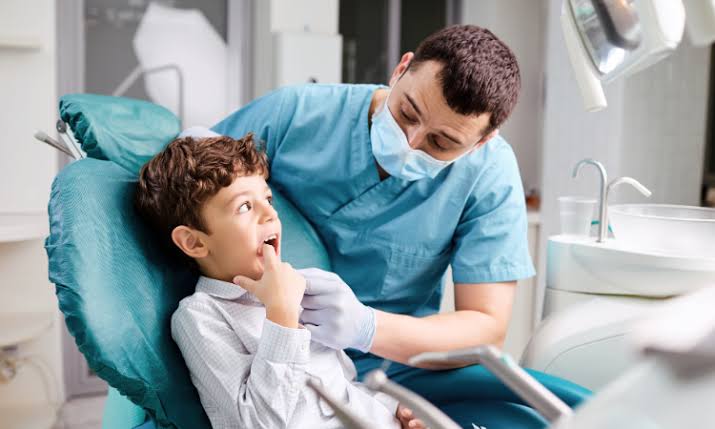
You brush your child’s teeth, keep up with checkups, and try to do all the right things. Then you notice a chipped tooth, sore gums, or a complaint about jaw pain, and it feels confusing because there is no obvious cause. A lot of tooth damage in kids does not come from cavities alone, and it does not always involve thumb sucking. Small daily habits can wear teeth down, irritate gums, and shift the way the mouth develops. If you are concerned, Westchester pediatric dentistry can help identify the cause and recommend the right next steps.
The good news is that these habits are common, which means they can also be spotted and changed. If you have been wondering whether something harmless looking is actually affecting your child’s smile, you are not overreacting. Some of the most overlooked causes of dental problems are things children do every day without thinking about them.
Chewing ice can crack enamel and stress growing teeth
Ice seems harmless because it melts, but the damage happens before that. Crunching hard cubes or crushed ice puts sharp pressure on enamel, and enamel does not grow back once it chips or cracks. Children who like to chew ice after drinks or as a habit when they are bored may not feel damage right away, which is part of the problem. A tiny crack can stay hidden until sensitivity, pain, or a broken edge shows up later.
The risk is not just cosmetic. Repeated force can also bother fillings, strain the jaw, and make teeth more sensitive to cold. Research and dental experts continue to warn that ice chewing can injure teeth, as explained in this review of whether chewing ice hurts your teeth. If your child always asks for extra ice or crunches it automatically, it is worth paying attention.
Mouth breathing can affect tooth position and oral health
Some kids sleep with their mouths open, snore, or always seem congested. Over time, mouth breathing can dry out the mouth, and saliva is one of the body’s best natural defenses against plaque and acid. A dry mouth gives bacteria more room to grow, which raises the risk of bad breath, gum irritation, and tooth decay.
There is also a growth issue. Long term mouth breathing can influence the way the jaws and teeth develop, especially in younger children. That can lead to crowding, bite changes, and a narrow palate. MedlinePlus explains how mouth breathing in children can be tied to sleep and airway concerns, which is why this habit should never be brushed off as just a phase.
You might notice the signs before your child does. Chapped lips, restless sleep, waking up thirsty, and a constant open mouth during the day can all point to a pattern that deserves a closer look.
Nail biting wears teeth down and introduces germs
Nail biting often starts as a nervous habit, and kids may do it during homework, screen time, or car rides without even knowing it. The pressure from biting nails can wear down the edges of teeth and even cause small chips. It also places the jaw in an awkward position again and again, which can lead to soreness.
There is a hygiene side to this too. Fingernails carry dirt and bacteria, and moving that into the mouth over and over can irritate the gums and soft tissues. If the skin around the nails is broken, that can also raise the chance of infection. What looks like a stress habit can become a dental problem and a health problem at the same time.
Teeth grinding can damage enamel during sleep
Grinding and clenching often happen at night, which means many parents do not notice it until the signs show up. A child may wake up with a sore jaw, complain that teeth feel sensitive, or develop flattened biting surfaces. In some cases, you hear the grinding through the bedroom door, and it is hard not to worry because the sound alone tells you how much force is involved.
Teeth grinding can wear enamel down, increase tooth sensitivity, and put stress on the jaw joint. It may be linked to stress, bite issues, or sleep problems. This is one of the more common oral habits that harm teeth because it often keeps going in the background for months before anyone catches it.
How these everyday habits compare
| Habit | Common Signs | Possible Dental Impact | What You Can Do |
| Chewing ice | Crunching ice after drinks, tooth sensitivity | Chips, cracks, enamel wear, jaw strain | Offer cold water without ice to chew, mention the habit at a dental visit |
| Mouth breathing | Open mouth posture, dry lips, snoring, bad breath | Dry mouth, cavities, gum irritation, bite changes | Ask about airway and sleep concerns, monitor daytime and nighttime breathing |
| Nail biting | Short nails, sore fingertips, worn front teeth | Chips, enamel wear, jaw stress, gum irritation | Track triggers like stress or boredom, redirect with another habit |
| Teeth grinding | Grinding sounds at night, jaw soreness, flattened teeth | Enamel loss, sensitivity, jaw pain | Schedule an exam, ask whether a bite issue or sleep problem is involved |
Three steps you can take right away
Watch for patterns, not one off moments. A single night of mouth breathing during a cold is different from a daily habit. The same goes for nail biting during a stressful week versus constant biting for months. Keep notes on when the habit happens, what your child is doing, and any symptoms like pain, snoring, or sensitivity.
Check the gums and teeth in good light. Look for chips, flattened edges, gum redness, or areas that seem more sensitive. If your child avoids cold foods, chews on one side, or says a tooth feels funny, trust that clue. Gum health matters too, and the National Institute of Dental and Craniofacial Research answers common questions about gum disease that can help you spot early warning signs.
Book a visit with a pediatric dentist. Some habits fade with support, but others leave damage that is easy to miss at home. A pediatric dentist can check enamel, bite development, jaw function, and gum health, then help you decide what needs treatment and what simply needs monitoring. This is often the fastest way to get clarity when you are dealing with damaging dental habits in children.
Small habits can create real dental problems
Parents often blame themselves when a hidden habit finally shows up as a cracked tooth, sore gums, or a bite issue. You are usually seeing the result of something quiet and repeated, not a single mistake. Once you know what to look for, these habits become easier to catch and easier to address.
If your child chews ice, breathes through the mouth, bites nails, or grinds teeth, do not wait for pain to become the first clear sign. A pediatric dentist can help you figure out what is happening and how to protect your child’s smile before the damage gets worse.

