
Table of Contents
Quick Answer
A furnace tune-up is a yearly service where a licensed technician inspects, cleans, and adjusts your heating system before winter. It keeps your furnace running safely, lowers energy bills, and catches small problems before they turn into costly no-heat emergencies. Skipping it shortens your unit’s lifespan and can void your warranty. Booking one every fall is the simplest way to stay warm and worry-free all season.
Introduction
Picture the first hard freeze of the year. You turn up the thermostat, wait for that familiar rush of warm air, and instead get a cold, silent vent. It’s the kind of surprise no one wants on a January night, and it’s almost always preventable.
Your furnace works harder than any other appliance in your home during the cold months, yet it’s easy to forget until something goes wrong. A little attention each year goes a long way, which is why booking furnace maintenance Calgary before the season starts has become a habit for homeowners who’d rather not gamble on the coldest days.
Think of it like an oil change for your heating system. A short visit from a professional keeps the parts clean, the airflow steady, and the whole unit running the way it should. The result is a warmer home, lower bills, and far fewer unwelcome surprises.
Inside a Furnace Tune-Up: What the Technician Actually Checks
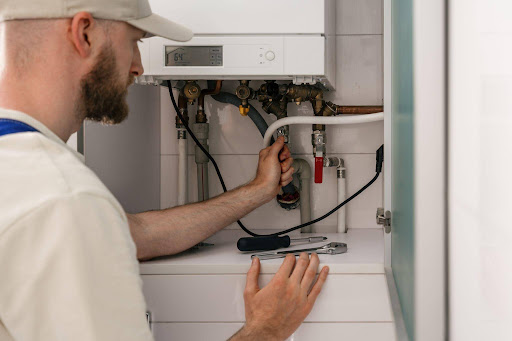
Most homeowners have never seen what goes on behind the panel of their heating system. A proper furnace tune up is more than a quick glance and a filter swap. It’s a full head-to-toe check that touches every part responsible for keeping your home warm and your family safe. A trained technician follows a set routine, and each step has a clear purpose.
Here’s what a thorough visit usually covers:
- Safety inspection. The heat exchanger is checked for cracks, and combustion gases are tested to rule out carbon monoxide leaks.
- Cleaning. Burners, the blower motor, and fan blades are cleared of the dust and soot that build up over a season of use.
- Electrical check. Wiring, connections, and the ignition system are tested and tightened so nothing shorts out on a cold night.
- Moving parts. Bearings and other components are lubricated to cut friction and quiet down a noisy unit.
- Controls. The thermostat and safety switches are calibrated so the system starts and stops when it should.
How These Checks Keep Your Home Safe
None of these tasks are busywork. A cracked heat exchanger can leak carbon monoxide, a gas you can’t see or smell. Dirty burners force the system to burn more fuel for the same heat, and loose wiring is a genuine fire risk. Catch any one of them early and you’ve turned a dangerous, expensive failure into a simple repair.
Efficiency and Lifespan: The Real Payoff
The savings show up on your bill and in the years your unit keeps running. According to the U.S. Department of Energy, routine maintenance holds a system near its rated efficiency and helps it last longer. A neglected furnace slowly loses that edge, quietly padding your monthly heating costs until it gives out early.
| Well-Maintained Furnace | Neglected Furnace |
| Runs near rated efficiency | Loses efficiency each year |
| 15–20 year lifespan | Fails years early |
| Fewer surprise breakdowns | Higher risk of no-heat nights |
| Warranty stays valid | Warranty often voided |
| Cleaner, safer air | Carbon monoxide risk |
The gap between those two columns comes down to a single appointment each year. Knowing what the service includes is one thing. Knowing when to book it, and who to call, is where the planning really pays off.
When to Book Your Annual Heating Service
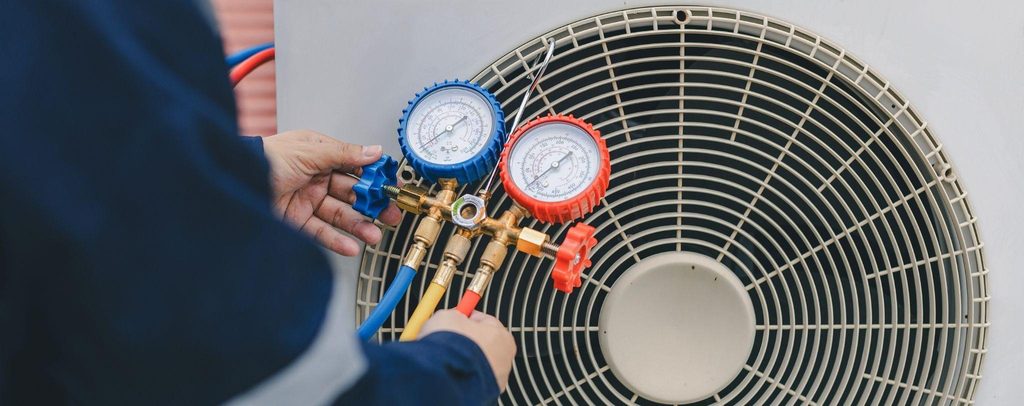
Knowing what a service covers is half the battle. The other half is booking it at the right moment and choosing the right person for the job. Get both right, and your furnace rewards you with a quiet, steady winter.
The best window is early fall, before the first real cold snap. Technicians are less swamped, appointment slots are easier to find, and any repair gets sorted while the weather is still mild. Wait until a December breakdown and you’re competing with every other homeowner for an emergency visit at the busiest time of year.
A few signs mean you shouldn’t wait for the calendar:
- Your heating bills jumped with no clear reason.
- The unit rattles, bangs, or short-cycles on and off.
- You just moved into a home with no maintenance records.
- The furnace is more than ten years old and has never been serviced.
Picking a Licensed HVAC Technician You Can Trust
This isn’t a do-it-yourself job. Combustion systems, gas lines, and safety codes call for a licensed professional who knows how to test and calibrate them properly. When you book, look for someone who is certified, insured, and willing to walk you through what they found. A good technician leaves you with a clear picture of your system’s health, not just a paid invoice.
Easy Upkeep That Stretches Each Visit
You can stretch the benefit of each service with a little upkeep of your own:
- Swap the air filter every one to three months.
- Keep vents and registers clear of furniture and rugs.
- Watch for odd smells or sounds and note them for your next visit.
- Test your carbon monoxide detector twice a year.
These small steps won’t replace a professional check, but they keep your system breathing easy between appointments. Put timing, expertise, and everyday care together, and you’ve built a routine that protects both your comfort and your wallet.
A Warm House Starts With One Fall Appointment
A furnace tune-up is easy to put off and easy to underrate, yet it saves you from the big trouble. For the price of a single visit each fall, you get a system that runs safely, sips less fuel, and lasts years longer than a neglected one. You also sidestep the stress of a cold, silent house on the worst night of the year.
The pattern is simple. Book early, hire a licensed pro, and keep up a few easy habits between visits. Do that, and your furnace holds up its end of the bargain. When the first freeze hits and warm air pours from the vents right on cue, you’ll be glad you planned ahead instead of hoping for the best.

