
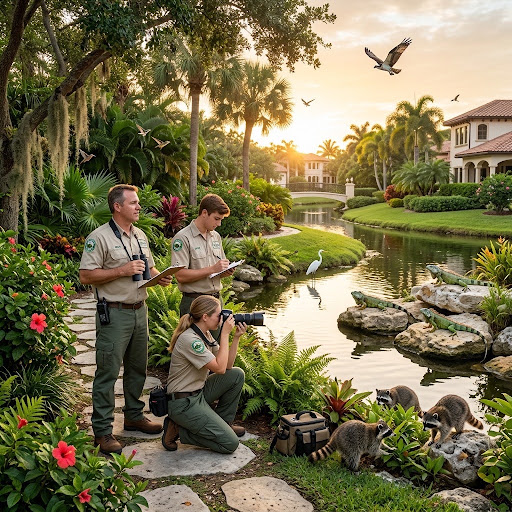
Florida’s wildlife is beautiful to admire from a distance, but when raccoons, opossums, snakes, or bats decide your attic or crawl space makes a perfect home, the charm wears off fast. Palm Beach homeowners know this struggle well. Between the region’s warm climate and abundant green spaces, wild animals often wander into backyards, sheds, and even living rooms looking for shelter, food, or a place to nest.
If you’ve noticed strange scratching sounds at night, chewed wiring, or droppings near your garage, you’re not imagining things. These are classic signs that wildlife has already made itself comfortable on your property. The good news? You don’t have to handle this alone, and you definitely don’t need to resort to guesswork or risky DIY traps.
This post breaks down why wildlife intrusions happen, how to spot the early warning signs, and what steps you can take to protect your home and family without putting yourself or the animals at unnecessary risk.
Table of Contents
Why Do Wild Animals Keep Showing Up on Residential Property?
Palm Beach’s subtropical climate is a major draw for local wildlife. Mild winters mean animals like raccoons and squirrels don’t need to migrate or hibernate, so they’re active and searching for shelter year-round. Add in the region’s mix of suburban neighborhoods bordering natural preserves, and you’ve got a recipe for frequent human-wildlife encounters.
Homes offer everything a displaced animal could want: warmth, dry shelter, and easy access to food sources like unsecured trash cans or pet bowls left outside. Attics and crawl spaces are especially appealing because they mimic the safety of a den, protecting animals from predators and harsh weather.
Unfortunately, once an animal settles in, it rarely leaves on its own. Left unaddressed, a single intrusion can quickly turn into a full-blown infestation, especially if the animal is nesting or has already given birth.
What Are the Warning Signs of a Wildlife Problem?
Catching a wildlife issue early can save you significant time, money, and stress. Here are some common red flags to watch for:
- Unusual noises: Scratching, thumping, or scurrying sounds, especially at night, often point to raccoons, squirrels, or rats in the attic.
- Foul odors: A persistent musty or ammonia-like smell may indicate animal urine or droppings accumulating in an enclosed space.
- Visible damage: Chewed wires, torn insulation, or holes in siding are telltale signs that something has been working its way into your home.
- Garden disruption: Dug-up flower beds, overturned trash bins, or damaged fencing often mean nocturnal visitors like opossums or armadillos.
- Droppings or tracks: Finding animal waste near entry points is one of the clearest signs of an active problem.
If any of these sound familiar, it’s worth taking action before the situation escalates.
Why DIY Wildlife Removal Can Backfire
It’s tempting to handle a wildlife problem yourself, especially with so many online tutorials promising quick fixes. But removing wild animals without the right training carries real risks.
Many species found in Palm Beach, including raccoons and bats, can carry diseases like rabies or leptospirosis. Handling them incorrectly increases the chance of bites, scratches, or exposure to contaminated droppings. Beyond the health risks, Florida has specific regulations around the humane treatment and relocation of wildlife. Improper handling can not only harm the animal but may also violate state guidelines.
There’s also the issue of effectiveness. DIY traps often fail to address the root cause of the problem, such as an entry point that keeps letting new animals in. Without sealing that access point and cleaning the affected area properly, homeowners frequently find themselves dealing with a repeat visitor within weeks.
What Should You Look for in a Wildlife Removal Approach?
A responsible approach to wildlife removal goes beyond simply catching and releasing an animal. It should address the full scope of the problem, from prevention to cleanup, while prioritizing humane treatment.
Choose a method that focuses on:
- Thorough inspection: Identifying every entry point, not just the obvious one, prevents repeat intrusions.
- Humane handling: Animals should be removed and relocated safely, without unnecessary harm or stress.
- Exclusion and prevention: Sealing gaps, reinforcing vents, and securing potential nesting sites stops future problems before they start.
- Sanitation: Cleaning up droppings, nesting material, and contaminated insulation protects your family’s health long after the animal is gone.
For homeowners without hands-on experience, this level of detail is difficult to manage alone, which is why so many turn to professionals who specialize in exactly this kind of work.
Protect Your Home Without the Stress of Handling It Alone
Restoring a safe, animal-free home doesn’t have to mean sleepless nights or risky encounters with unpredictable wildlife. Palm Beach Wildlife Services takes the guesswork out of the process by combining careful inspection, humane removal methods, and long-term prevention strategies tailored to your property.
Rather than offering a one-size-fits-all fix, the team evaluates each situation individually, whether that means addressing a raccoon in the attic, a snake in the garage, or a colony of bats in the eaves. Every step, from initial assessment to final exclusion work, is handled with the goal of keeping both your household and the local wildlife safe.
If uninvited guests have made themselves at home on your property, now is the time to address it. A proactive approach today can prevent costly repairs, health risks, and repeat intrusions down the road.

