
Any restoration shop, mold maintenance crew, or manufacturer that still relies on sandblasting media, wire wheels, or acid baths has felt the same pain: dust everywhere, waste drums to dispose of, and delicate surfaces that get eaten along with the rust. The switch to a fiber-based cleaning process has quietly changed how many of those tasks are handled. Instead of an abrasive stream, a focused beam vaporizes contaminants layer by layer while the underlying metal stays untouched.
For workshop owners, museum conservators, and production engineers, the appeal is obvious once they see it in action. There is no consumable media to reload, no solvents to store, and the operator can point the head at a surface and stop the moment the substrate is clean. This article walks through what the technology can and cannot do, where it shines against traditional methods, and how to set up a repeatable cleaning routine that turns hours of grinding into minutes of scanning.
Table of Contents
Why Fiber-Based Surface Cleaning Beats Old Methods
Traditional cleaning works by physically removing the contaminant along with a thin layer of everything underneath. Sandblasting cuts into the substrate. Chemical stripping softens paint but also seeps into pores and pitting. Wire brushing leaves swirl marks that ruin a mirror finish. A laser process is different because it targets the absorption profile of the unwanted layer, not the base metal. Rust, oxide, oil, and old coatings absorb the beam energy and lift off as vapor, while the polished steel or aluminum below reflects most of it and stays intact.
That selectivity is what makes laser cleaning a fit for jobs where surface tolerance matters. Restoring a vintage engine block, prepping a weld seam on stainless, or removing carbon buildup from an injection mold used to require careful hand work. With a scanning head, the same tasks become a matter of moving in a steady sweep and watching the surface change.
No Consumables, No Slurry
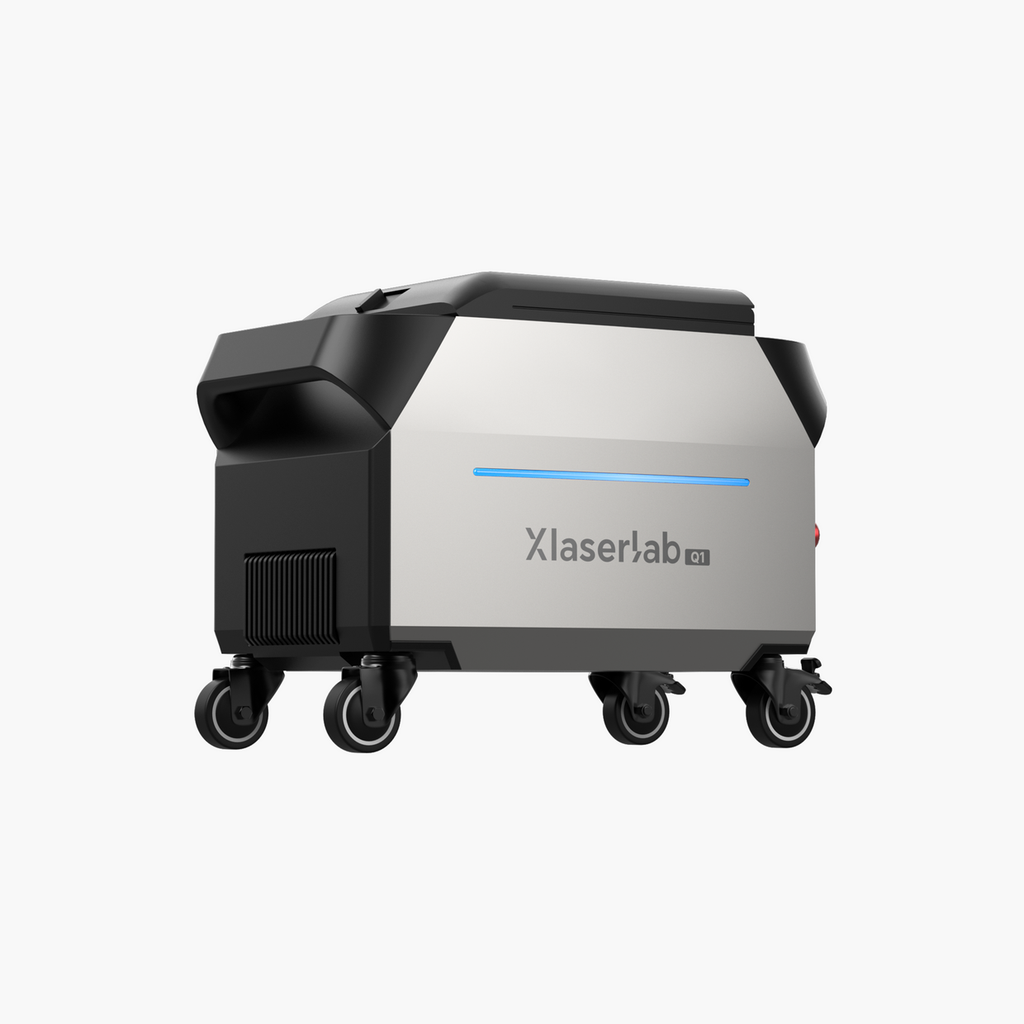
Once the machine is powered, the only ongoing costs are electricity and periodic lens care. That removes several line items from the monthly budget: no blast media, no chemical strippers, no disposal fees for used solvents, and no PPE beyond safety glasses tuned to the operating wavelength. Shops that run heavy cleaning schedules often recover the equipment cost within a year on consumables alone, and that is before counting the labor saved.
Where the Process Fits Best
Not every job is the right match. Understanding the sweet spot prevents frustration and helps buyers choose the right power class for their shop.
Rust and Oxide Removal
This is the classic use case. Ferrous oxide absorbs the beam efficiently, so it lifts off quickly and reveals bright metal beneath. Automotive restoration, agricultural equipment refurbishment, and shipyard maintenance all rely on this. A 100 to 200 watt handheld unit handles light surface rust; heavy scale on structural steel usually calls for a higher power class with a wider scan pattern to keep pace with the workload.
Paint and Coating Stripping
Old paint layers, powder coatings, and even anti-corrosion primers respond well. The trick is to match the pulse settings to the thickness of the coating. Too aggressive a setting cuts through fast but risks marking the substrate; too gentle a setting takes multiple passes. Test on a corner first and dial in from there.
Mold and Tooling Maintenance
Injection molds and stamping dies accumulate carbon, silicone residue, and gas byproducts that traditional methods struggle to remove without damaging the polished cavity. A properly tuned beam lifts the residue while leaving the polish intact. This has become a preferred maintenance approach in tire molds, rubber tooling, and food-grade packaging molds, where downtime is expensive and surface integrity is non-negotiable.
Weld Prep and Post-Weld Cleanup
Stainless welds often need to be passivated or at least de-oxidized to prevent tea staining. A quick pass along the heat-affected zone removes the discoloration without the mess of pickling pastes. Prep work before welding also improves quality because contaminant-free joints produce fewer inclusions and porosity.
Setting Up a Reliable Cleaning Workflow
Getting consistent results comes down to a few practical habits that experienced operators develop quickly.
Start by identifying the contaminant and testing a small corner. Adjust power, frequency, and scan speed until the residue lifts cleanly without leaving a matte spot on the base metal. Then map the working area into overlapping passes; skipping a section is easier to fix on the second sweep than at final inspection. Keep the head at the manufacturer’s recommended standoff. Too close and the beam is out of focus; too far and the energy drops off unevenly. Xlaserlab and similar suppliers publish standoff and scan pattern guides in their documentation, and following those charts on the first few jobs cuts learning time dramatically.
Ventilation and Fume Extraction
Vaporized paint and rust are not something to breathe. A local fume extractor with the right filter class captures particulates and organic vapors at the source. This is often the only piece of ancillary equipment beyond the machine itself, but skipping it is a mistake. Place the intake within a few centimeters of the working spot and check the filter cartridge on a fixed schedule.
Safety Glasses and Zoning
Every operator and anyone within line of sight needs wavelength-specific safety glasses. Set up a marked zone around the work area, place warning signs at entrances, and keep the beam pointed at the workpiece rather than at reflective walls. These habits become second nature within a week and prevent the small mishaps that give the technology a bad name in shops that skip the basics.
Choosing the Right Power Class
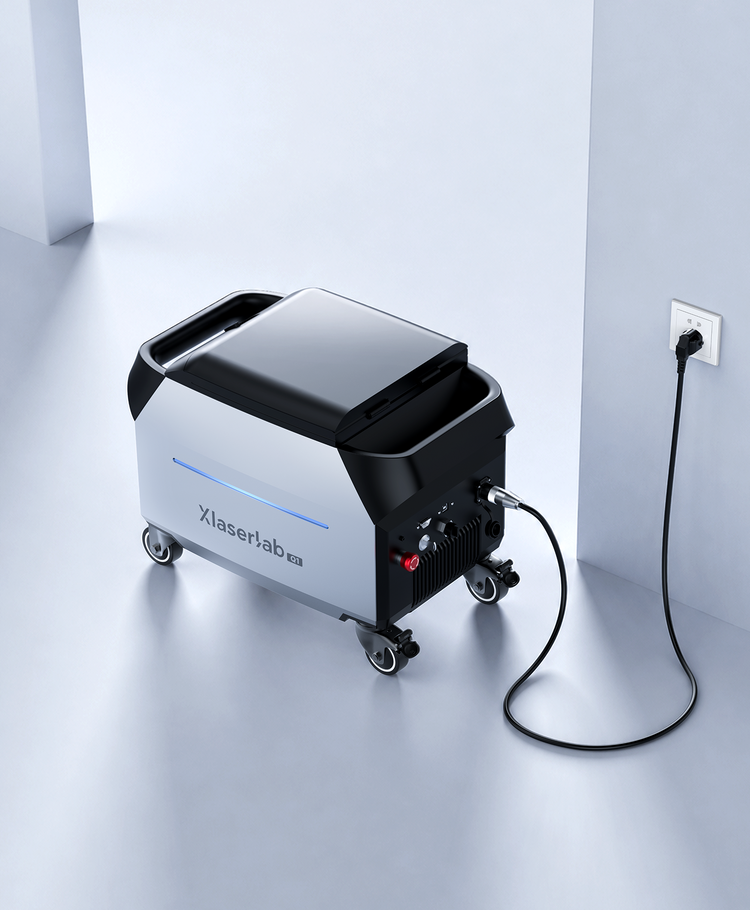
Handheld units in the 100 to 300 watt range handle most restoration and light industrial cleaning. They are portable, plug into standard power, and are easy to move around a shop or bring to a job site. Higher power systems in the 500 to 2000 watt range are built for production lines where an entire component passes under a fixed head or a robotic arm sweeps large panels. Match the class to the workload: buying too much power means the machine sits idle, and buying too little means the operator waits on every pass.

A Cleaner Path for Surface Preparation
Fiber-based surface cleaning is not a novelty anymore. It is a working tool for shops that got tired of hauling drums of blast media, storing hazardous solvents, and reworking parts damaged by aggressive abrasives. The process is selective, predictable, and easy to bring into an existing workflow once the operator learns the parameters for the materials they handle most often. For rust, paint, mold residue, and weld prep, the results speak for themselves after a short trial. Anyone comparing this against the old methods usually reaches the same conclusion: less mess, lower ongoing cost, and a cleaner surface at the end of each pass.
