
Static product photos are losing ground fast. Shoppers scroll past flat images in seconds, but a smooth spinning view of the same product stops the scroll, holds attention, and closes the trust gap that has always haunted online retail. Behind that hypnotic rotation sits a piece of gear that many small studios still treat as optional: the motorized turntable built for photography and video.
For e-commerce sellers, product photographers, and marketing teams working under tight deadlines, the question is not whether interactive product views work. Analytics have already answered that. The real question is how to produce them consistently without spending hours on each SKU or investing in an entire animation department. A quality rotating platform, paired with a familiar camera and a controlled lighting setup, quietly solves the production problem. Understanding what to look for, and how to use it well, opens the door to content that competes with much larger brands.
Table of Contents
What a Rotating Platform Actually Does for Your Workflow
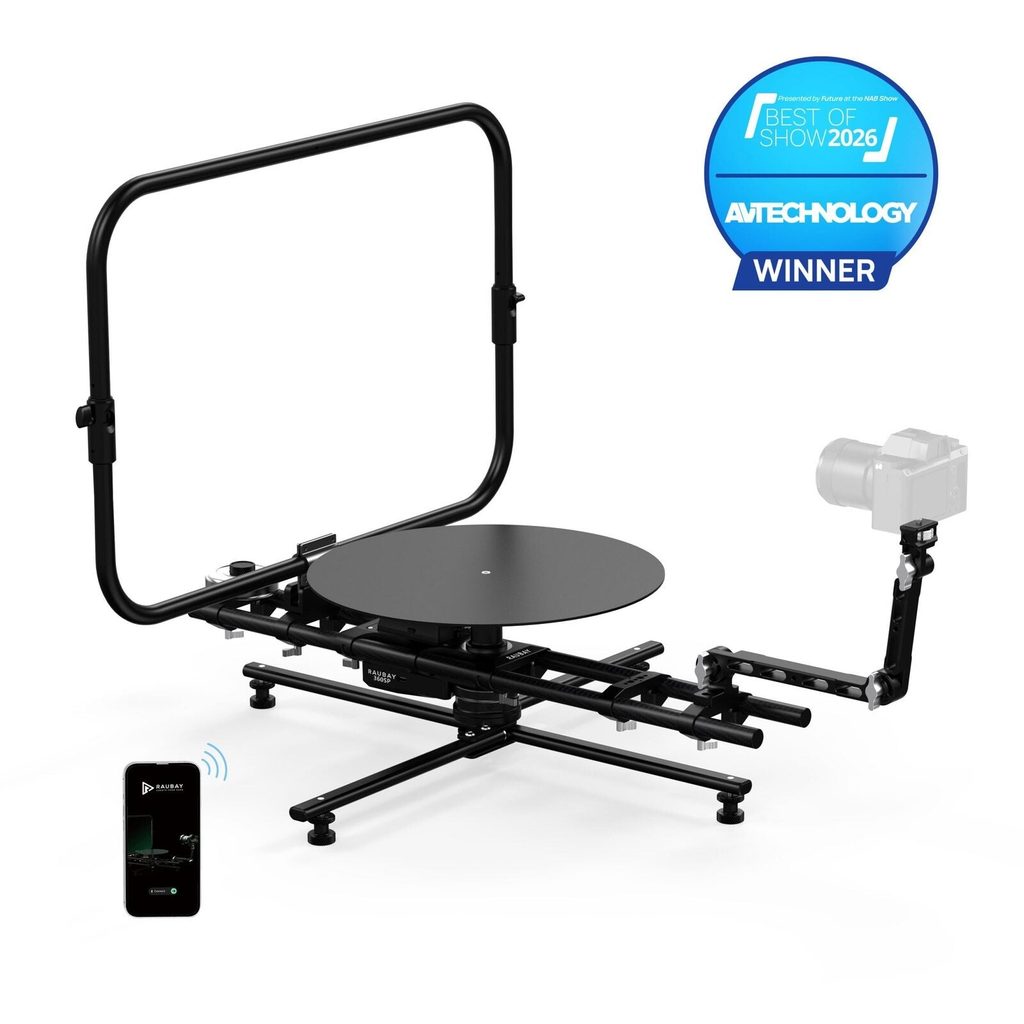
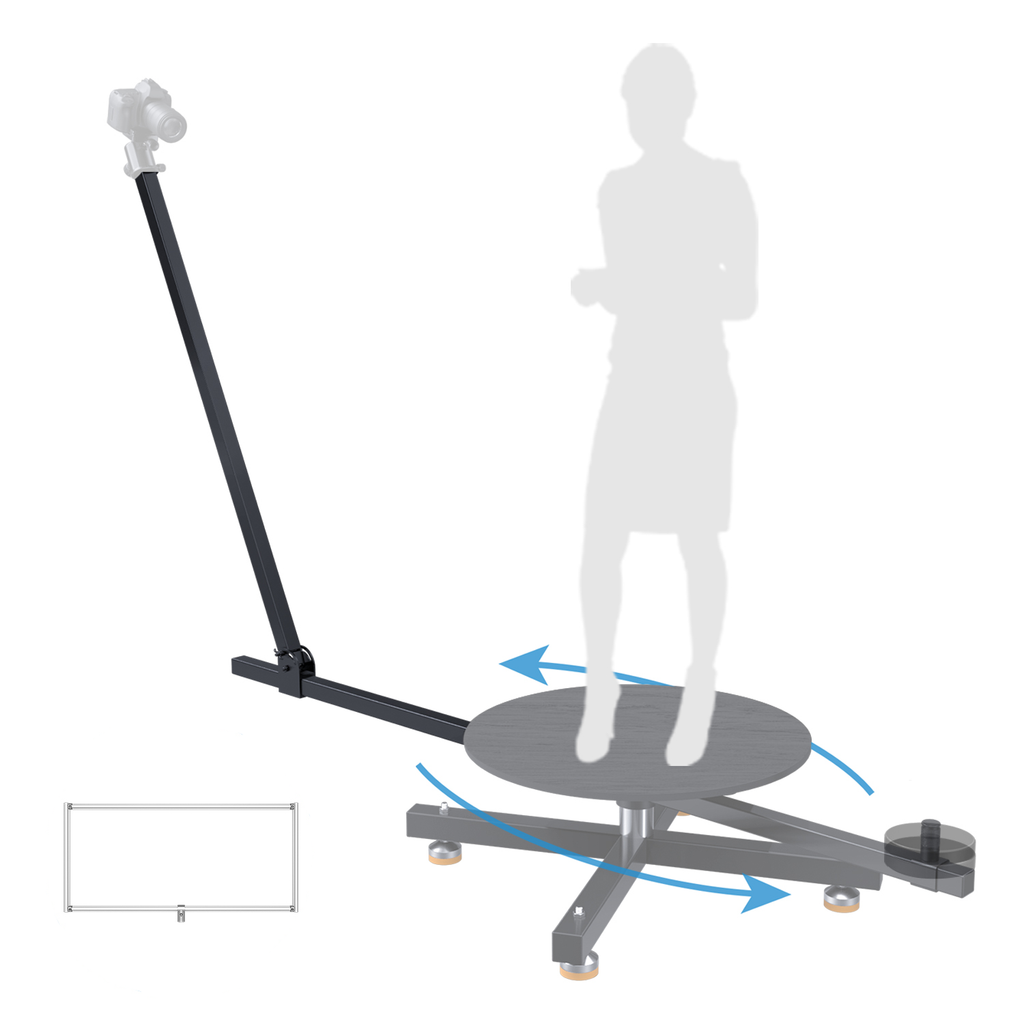
The core function is deceptively simple: hold the product still relative to the surface while rotating it a full three hundred sixty degrees at a controlled speed. That single capability replaces an entire workflow of moving the camera around a static object, keeping the light angle inconsistent from frame to frame. When you use a 360 product photography turntable, the camera and lights stay fixed, which means every frame carries the same exposure, the same shadows, and the same focus. That consistency is what makes the final rotating view feel professional rather than choppy.
Consistency That Static Photography Cannot Match
Traditional product photography relies on the photographer’s ability to reproduce identical settings across dozens of angles. Even with careful planning, small differences in framing and focal distance creep in. A rotating platform eliminates that variable entirely because nothing except the product moves. This matters most for catalog work where hundreds of items need to look like they were shot in the same studio on the same day, even when the actual sessions span weeks.
Time Savings That Add Up Across a Catalog
Shooting a single product from thirty-six angles manually can easily take an hour once you account for repositioning the tripod, checking focus, and adjusting lights between frames. On a motorized platform, the same sequence takes minutes because rotation is automated and the camera never moves. Across a hundred products, that difference translates into days of recovered time, which is the real economic argument for investing in one.
Choosing the Right Turntable for Your Products
Not every rotating platform suits every product. The main variables to consider are load capacity, platform diameter, rotation smoothness, and control precision. A jewelry maker photographing rings needs a very different setup than a furniture retailer capturing coffee tables, and buying the wrong size guarantees frustration.
Weight Capacity and Platform Size
Load ratings matter because a motor struggling under too much weight will produce uneven rotation, visible as jerks and pauses in the final animation. Choose a platform rated well above the heaviest product you plan to shoot, with enough surface area to hold the item comfortably without overhang. Overhang creates optical distortion at the edges and can also unbalance the rotation.
Speed Control and Camera Sync
Basic turntables offer a fixed rotation speed, which works fine for looping video but limits your options for step-by-step still capture. More advanced units include variable speed and camera trigger sync, letting the platform pause automatically at each capture point. For sellers producing embeddable interactive viewers on their websites, that sync capability is what turns a good workflow into a great one.
Lighting and Background Setup for Rotating Shots
Even the smoothest platform cannot rescue a poorly lit shoot. Because the product itself rotates while lights stay fixed, any shadow that looked good on the front will sweep across the frame as the product turns. Diffused, multi-directional lighting is the standard solution because it minimizes hard shadows and keeps illumination consistent from every angle. Softboxes or diffusion panels on both sides, combined with a subtle fill from above, produce the even wrap-around light that flatters most products.
Backgrounds present their own challenge. A curved sweep of paper or seamless fabric extends behind and under the product to eliminate the horizon line, which would otherwise appear to spin along with the item. Some studios use color-coded sweeps that can be swapped quickly to match brand palettes or seasonal campaigns. Whatever material you choose, make sure it stays completely stationary during rotation to avoid distracting movement in the periphery.
Post-Production and Delivery Options
Capturing the frames is only half the job. Turning them into a smooth interactive view requires stitching them together into a format that works on the web, and the choice of format affects both load times and user experience. Common options include animated GIFs for social previews, MP4 loops for landing pages, and dedicated interactive viewers that let shoppers drag to rotate. Each has trade-offs in file size, quality, and compatibility.
Brands like Raubay develop turntable systems with software integration in mind, which reduces the friction between capture and publishing. If your workflow depends on getting content live quickly, look for platforms that export directly to your preferred format or plug into your existing content management tools. The less manual conversion between steps, the less room for quality loss and the faster the turnaround from shelf to storefront.
Turning Product Views into Buying Confidence
A rotating platform is not a gimmick or a shortcut. It is a production tool that solves specific problems around consistency, speed, and scale in modern product content. Shoppers increasingly expect to see products from every angle before buying, and delivering that experience without one is possible but far more expensive in time and effort. Whether you are outfitting a small home studio or upgrading a busy commercial operation, the right platform matched to your typical product size and workflow will pay for itself within the first large batch of items. The tool itself is straightforward. The impact on how customers perceive your catalog is anything but.
