
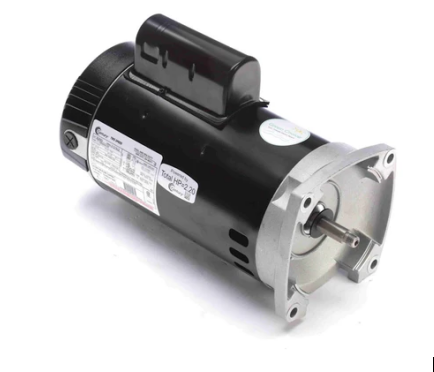
A swimming pool pump works hard to keep water circulating through the filtration system every day. Like all mechanical devices, it should be maintained regularly for optimum performance. One area that often raises questions is lubrication. So, many people who have pools are unsure if they need to lubricate the pump motor and shaft seal and what the frequency of the lubrication is supposed to be.
Understanding which components need attention and which do not can help prevent unnecessary maintenance while supporting the long-term performance of your pool pumps.
Table of Contents
Do All Pool Pump Parts Need Lubrication?
The first thing to be understood is that all the moving parts in the pool pump need not be lubricated on a regular basis.
In fact, there is actually a distinction in the construction of the pumps for modern pools, primarily depending on the brand and model. Most of the modern pool pump motors have bearings that don’t need extra lubrication during the life of the motor.
Some parts, including seals and O-rings, may require periodic lubrication with products formulated for pool machinery, however.
Before applying any lubricant, always refer to the manufacturer’s maintenance recommendations for your particular pump.
The Role of the Shaft Seal
The shaft seal is a small but significant part of the pump between the motor and the wet end of the pump.
It is used to keep water from entering the motor but still permit the shaft to rotate freely.
Shaft seals themselves, in contrast to certain mechanical parts, are intended to be lubricated in normal operation. Rather, they are dependent on the proper installation and water flow to work.
In the case of replacing a shaft seal, technicians may lubricate some of the rubber parts with a small amount of approved lubricant when the seal is installed, but normal lubrication following the installation is not usually required.
Lubricate O-Rings Instead
Pump lid o-rings need attention periodically, whereas shaft seals do not.
A clean, well-lubricated O-ring helps:
- Keep water tight
- Prevent air leaks
- Design a new lid that has a larger opening for easier removal
- Extend the life of the rubber
Use lubricants recommended for use on pool equipment, as petroleum-based lubricants can damage rubber components.
Some pool owners check and lubricate the O-ring that fits on the lid of the pool a couple of times a month or when they thoroughly clean the pump basket.
Is there any lubrication necessary for pool pump motors?
The majority of modern pool pumps have sealed bearings, which are lubricated in the factory.
Typically, such bearings require no extra lubrication during their useful life.
The grease fittings are found in older motor designs and are less often used in residential pool equipment.
Adding lubricant to sealed bearings can sometimes do more harm than good. Therefore, it is essential to check the manufacturer’s maintenance guidelines before giving or changing the oil.
Signs That Maintenance May Be Needed
While some parts of a motor will require little lubrication, it is important to keep checking them anyway.
Be alert for signs of:
- Unusual motor noise
- Excessive vibration
- Water leakage can be seen near the motor
- Difficulty starting
- Reduced water circulation
- Bubbles in the pump basket
Some of these symptoms may suggest that the bearings are worn, the seals are damaged, or other maintenance problems must be taken care of in a timely fashion.
Keep the Pump Clean
Lubrication is not the only aspect of proper maintenance.
A pool pump cleaning can help to maintain a more efficient flow of air around the motor and minimize unnecessary strain.
Regular tasks include:
- Cleaning out the pump basket
- Mulching and clean up
- Cleaning around the motor vents
- Inspecting for water losses
- Checking electric connections (if it is safe to do so)
Inspect Seals during Routine Maintenance
If the shaft seal is not needed to be lubricated on a regular basis, it should be inspected periodically anyway.
When the pump is performed for seasonal maintenance or when it is disassembled, check the seals for:
- Cracks
- Wear
- Hardening
- Water leakage
It can save pool pump motors from sealing damage if water penetrates the motor housing if the motor is replaced before its seals wear out.
Choose the Correct Lubricant
If lubrication is suggested for the O-ring or other rubber parts, use only lubricant made for use with pool equipment.
Silicone-based pool lubes are usually recommended, as they can help to protect rubber without causing deterioration.
Do not use household oils, grease, petroleum jelly, or auto-lubricants because they can cause damage to seals and reduce their life.
The seasonal maintenance is a great opportunity.
It is common for many pool owners to conduct a full equipment check prior to the start of the swimming season.
This is an ideal time to:
- Inspect O-rings
- Check shaft seals
- Remove dirt from the pump basket
- Examine motor ventilation
Check water flow is correct
Replace worn parts as necessary
Seasonal maintenance helps to keep the pump running effectively during high usage periods.
Know When Professional Service is Needed
Persistent leaks, loud noises, overheating, and reduced pumping performance can indicate the need for professional servicing.
Lubricating components that are not designed to be lubricated may not solve the problem and may cause further damage.
A qualified technician will be able to identify if it is a repair or replacement for bearings, seals, or other internal parts.
Final thoughts
Not all parts in pool pumps need to be lubricated on a regular basis. Modern pool pump motors generally have permanently lubricated bearings, but O-rings can be lubricated with a silicone-based lubricant when they are needed. Shaft seals typically do not need to be lubricated but should be monitored regularly for wear or leakage.
Regularly inspecting and checking your pool pump according to the manufacturer’s maintenance schedule and small repair issues before they become major can help keep your pool pump running efficiently and extend the life of its components.

