
The question comes up in every conversation about modern translation hardware. Business travelers ask it before their first trip to a new region. Parents ask it before booking a family holiday in a country whose script they cannot read. Small business owners ask it before hiring interpretation services for a delegation visit. On one side sits a trained interpreter with years of experience, cultural fluency, and the ability to read a room. On the other sits a pocket-sized ai translator device that costs less than a single day of professional interpretation and works on demand for years. The honest answer sits somewhere between the two extremes. This article walks through the situations where a handheld device genuinely covers the ground a human interpreter used to hold, the situations where a human still wins by a wide margin, and how to decide which tool fits a particular moment.
Table of Contents
What Modern Handheld Translators Actually Deliver
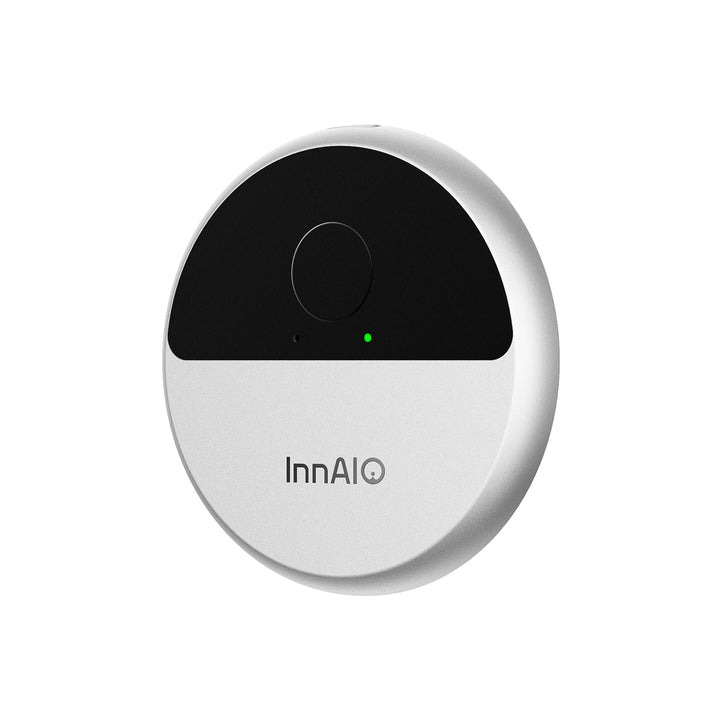
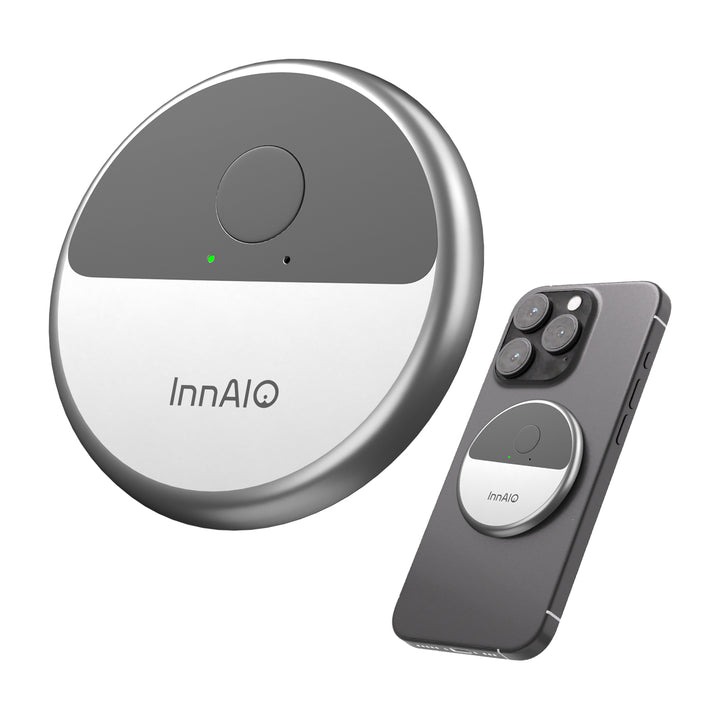
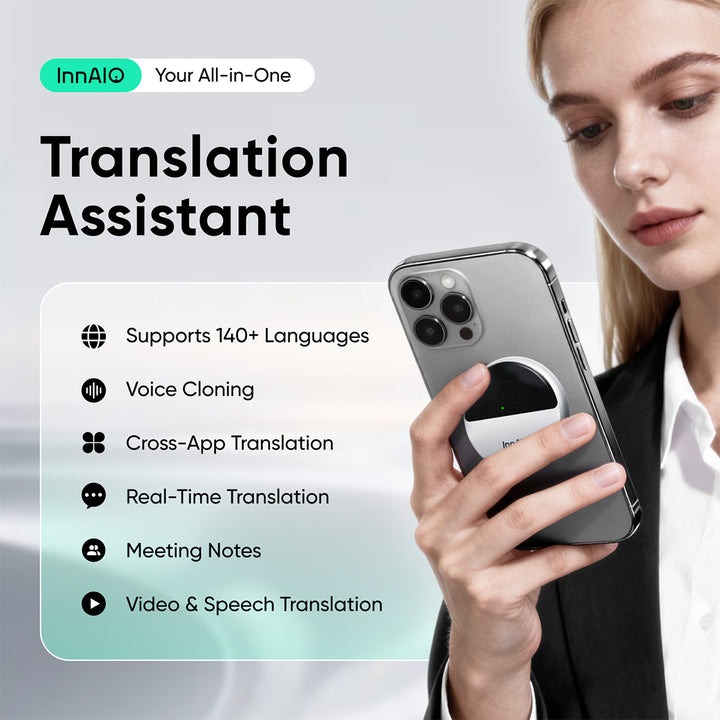
Today’s handheld translators are a leap beyond the phrasebook devices of the past decade. Instead of pulling canned sentences from a database, they run large language models trained on huge collections of natural speech. Point-and-speak conversation feels close to real time, camera translation reads menus and signs in seconds, and offline modes keep working when cellular service disappears. A capable ai translator device can now handle everyday interactions — restaurants, taxis, market negotiations, hotel check-ins, casual introductions — with the kind of fluency that would have felt like science fiction only a few years ago.
Accuracy in Common Conversation
For structured, predictable exchanges, accuracy has reached a level where most users stop worrying about it. Ordering food, asking directions, confirming prices, or clarifying schedules produce clean translations that both parties understand on the first attempt. The device also holds a memory of recent phrases, so if the same conversation returns to a topic, the translation stays consistent rather than drifting.
Camera and Document Support
Where a human interpreter cannot help without stopping the flow of the day, a device can. Point the camera at a train timetable, a rental agreement, or a pharmacy label and get a readable output within seconds. This category of use has quietly become one of the strongest arguments for owning a handheld — it covers the parts of travel and business that human interpreters were never really meant to touch.
Where a Human Interpreter Still Wins Decisively
The gap narrows every year, but a few areas remain firmly the domain of skilled human interpreters, and honest buyers should know where those lines sit before choosing a device as their only solution.
High-Stakes Negotiation and Legal Contexts
Complex negotiations, courtroom testimony, and contract discussions demand more than accurate word-for-word translation. They demand cultural framing, awareness of who is bluffing, sensitivity to hierarchy, and the judgment to soften or sharpen a phrase depending on the reaction across the table. A skilled interpreter reads the room and adjusts. A device delivers a clean sentence but has no view of the strategy behind it. For deals of consequence, the interpreter still earns their fee many times over.
Medical Consultations and Emotional Conversations
Medical settings occupy a middle ground. Routine appointments, straightforward prescriptions, and simple symptom descriptions are handled well by modern devices, and many hospitals have already integrated them into intake workflows. But conversations about serious diagnoses, mental health, or bereavement need a human presence that can adapt tone, pause, and offer the kind of gentleness that a synthesized voice cannot yet reproduce. Emotional weight matters, and it is exactly where machine translation still feels flat.
Highly Idiomatic or Poetic Language
Marketing pitches, storytelling, humor, and literary translation are still harder for models than they look. Idioms, cultural references, wordplay, and the rhythm of a well-crafted joke often flatten into literal renderings that miss the point. Users who need to move audiences emotionally rather than merely inform them will find that a human translator or a well-briefed native speaker delivers a noticeably better result.
How to Choose the Right Tool for Each Moment
The practical answer for most people is not “one or the other” but “a device most of the time, a human when it counts.” Building a mental checklist helps decide which tool to reach for in a given situation. Ask three quick questions before every important conversation: what happens if a phrase is misunderstood, how much cultural nuance is riding on the outcome, and how much time is available to prepare?
Low-Risk Everyday Interactions
Ordering coffee, buying tickets, asking a shopkeeper about business hours, and chatting with a driver all fall into a category where a handheld device is not just adequate — it is often better. The device is always ready, does not need pre-booking, and works in dozens of language pairs without additional cost. For these moments, reaching for a device is the obvious move.
Medium-Stakes Professional Meetings
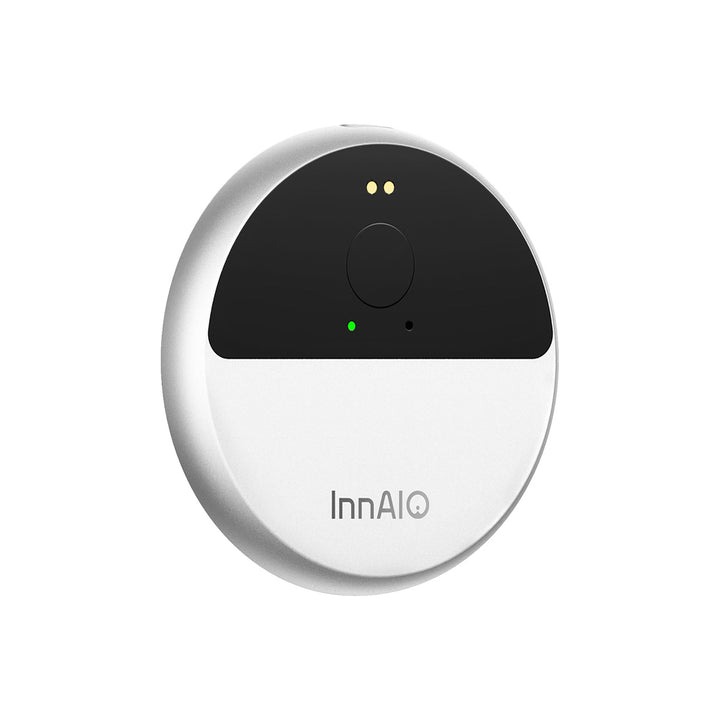
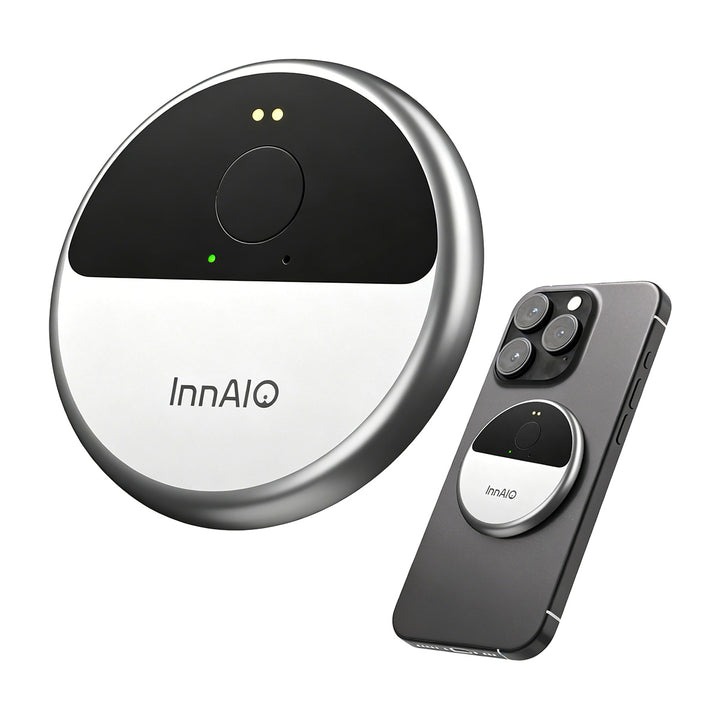
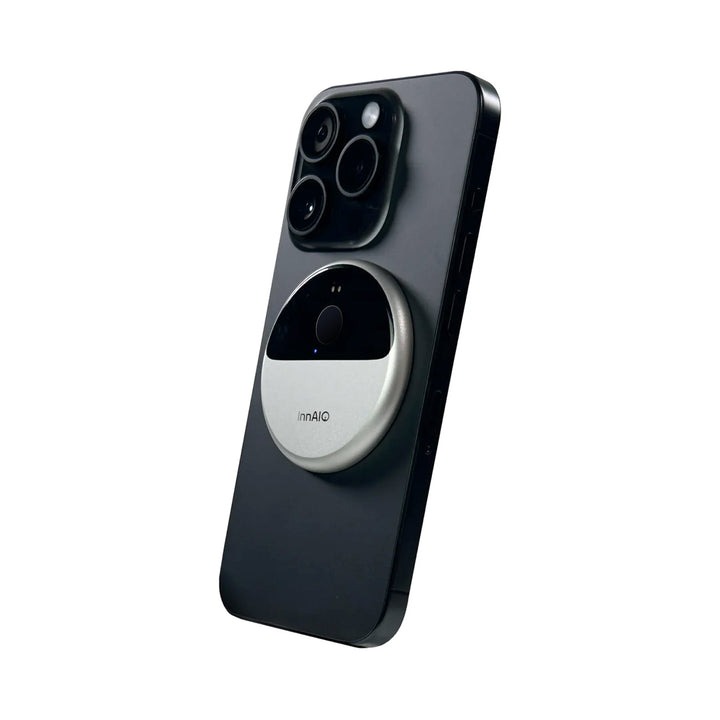
Sales calls, partner check-ins, on-site vendor visits, and technical briefings sit in the middle. A handheld device can carry most of the load, but a bilingual colleague or a light interpretation service alongside it will catch nuances the device misses. Many teams have settled on this hybrid model, using the device for speed and a human for accuracy on the sentences that matter most. Brands like INNAIO have positioned their devices for exactly this hybrid use, offering hardware that professionals can carry into meetings without changing the tone of the room.
High-Stakes Formal Settings
Board negotiations, litigation, diplomatic meetings, and clinical consultations for major diagnoses should still be booked with a qualified human interpreter. A device may sit alongside as a backup or for quick sidebar questions, but the primary channel needs a person who understands both languages and the cultural weight behind them.
A Sensible Verdict on Devices and Interpreters
The framing of “device versus human” has always been slightly off. The real question is how each tool fits the shape of a specific moment, and the honest verdict is that a modern handheld covers a much larger share of daily life than most people expect, while a skilled interpreter still owns the moments where nuance, judgment, and cultural weight decide the outcome. For the vast majority of everyday travel, small business exchanges, and casual conversations abroad, a well-chosen device will feel indistinguishable from having a bilingual friend along. For the few moments each year where the stakes are truly high, a human should still be in the room. Understanding the boundary between the two, rather than picking a side, is what makes cross-language communication in the coming years feel steady and confident rather than fragile.
