
Tournament anglers and serious fishermen know that battery failure mid-tournament or miles from the dock can ruin an entire day on the water. Your trolling motor battery doesn’t just power propulsion—it determines whether you can reach productive fishing spots, maintain position in current or wind, and return safely when conditions deteriorate. Yet many anglers treat trolling motor batteries as generic commodity purchases, grabbing whatever’s cheapest or fits their battery compartment. This approach guarantees disappointment and often leaves you drifting helplessly at the worst possible moment. Understanding what separates adequate batteries from excellent ones, how to match capacity to your specific fishing style, and proper maintenance practices keeps you fishing instead of paddling.
Table of Contents
Why Marine Applications Demand Specialized Batteries
Trolling motors impose unique demands that differ fundamentally from automotive or general deep-cycle applications. They draw substantial continuous current for hours at a stretch, unlike the brief high-current draws of engine starting. They operate in wet, corrosive marine environments where vibration, spray, and humidity attack electrical components. Temperature extremes from cold winter mornings to scorching summer heat further stress battery chemistry and performance.
Adequate trolling motor battery systems must deliver consistent power throughout the discharge cycle rather than experiencing voltage sag that reduces motor speed and efficiency. They need to withstand thousands of deep discharge cycles since trolling motor usage regularly depletes batteries to twenty or thirty percent capacity. Weight matters significantly in boats where every pound affects draft, stability, and fuel consumption. Modern lithium marine batteries address all these requirements while eliminating most traditional battery maintenance hassles.
Matching Battery Capacity To Motor Thrust And Usage
Trolling motor manufacturers specify thrust in pounds, and this rating directly correlates with current draw and battery requirements. Small motors under fifty pounds thrust might draw twenty to thirty amps at full speed, while powerful motors exceeding one hundred pounds thrust can pull sixty amps or more. Your fishing style determines how long batteries must sustain these loads—bass tournament anglers covering large reservoirs require far more capacity than crappie fishermen making short moves between brush piles.
Calculate minimum battery capacity by estimating realistic hours of trolling at various speed settings. If you typically spend six hours on the water with half that time at moderate speeds drawing thirty amps, you’ll consume roughly ninety amp-hours. However, deeply discharging batteries shortens their lifespan, so you should only use fifty to eighty percent of rated capacity depending on battery chemistry. This means you’d need at least one hundred twenty amp-hours of lead-acid capacity or ninety amp-hours of lithium to support that fishing day comfortably. Most serious anglers prefer excess capacity over minimum requirements, as heavier winds, longer runs, or extended trips regularly exceed average usage estimates.
The Lithium Advantage For Serious Anglers
Lithium iron phosphate batteries have revolutionized trolling motor performance despite premium pricing. Their primary advantage is weight—lithium batteries weigh half as much as equivalent lead-acid batteries, saving thirty to fifty pounds in typical installations. This weight reduction allows running larger capacity batteries without exceeding boat weight ratings, or frees up capacity for additional gear and catch. Lighter boats also draft less water, improving access to shallow fishing areas while reducing fuel consumption.
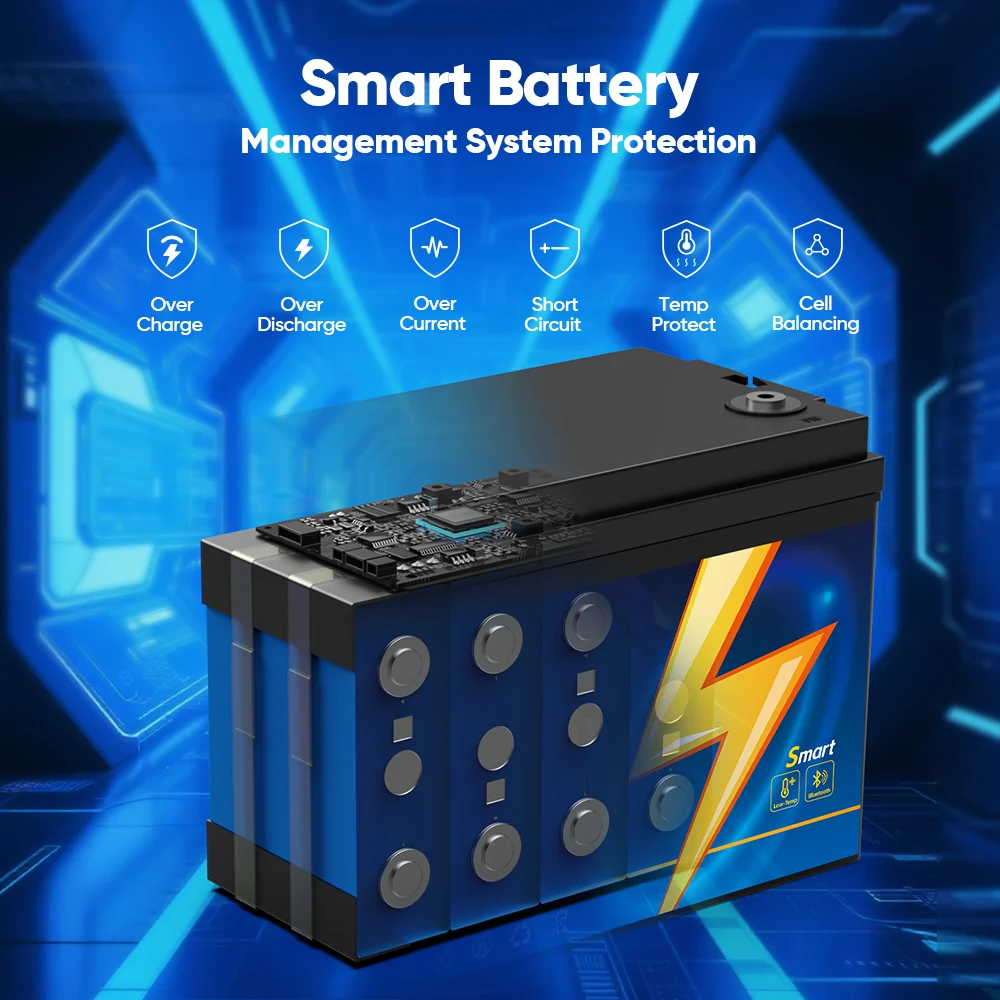
Voltage stability throughout the discharge cycle means your trolling motor maintains full power until the battery nears complete depletion. Lead-acid batteries experience gradual voltage decline from full charge to depletion, causing trolling motors to slow progressively as batteries discharge. This voltage sag forces you to increase speed settings to maintain position, consuming power faster and shortening run time. Lithium batteries eliminate this problem by maintaining stable voltage regardless of charge state. Additionally, lithium batteries charge much faster than lead-acid, allowing tournament anglers to top off batteries during lunch breaks or quickly recharge between competition days. Manufacturers like Vipboss design marine-specific lithium batteries with waterproof construction and integrated battery management systems that protect against the unique challenges of marine environments.
Installation And Wiring Considerations
Proper installation maximizes battery performance and lifespan while preventing dangerous situations on the water. Secure mounting prevents batteries from shifting during rough water or hard turns, which could damage cells or break connections. Most boats have dedicated battery compartments, but verify that your chosen batteries fit properly with adequate ventilation. Although lithium batteries generate minimal heat and no dangerous gases, good airflow prevents any temperature buildup during high-current operation.
Wiring gauge matters more than most anglers realize. Undersized wiring between batteries and trolling motor creates voltage drop that wastes power and reduces motor performance. For high-current trolling motors, six-gauge or even four-gauge cable is appropriate despite seeming excessive. Every connection point represents potential resistance, so minimize unnecessary connections and use quality marine-grade terminals and hardware. Waterproof connection protection prevents corrosion that gradually increases resistance and degrades performance. Include an appropriate circuit breaker or fuse near the battery to protect wiring from fault conditions while providing an emergency disconnect if needed.
Charging Systems For Multi-Day Trips
Single-day fishing trips allow convenient overnight charging between outings, but extended trips require onboard charging capability. Onboard battery chargers powered by shore power or generators allow recharging at marinas or campsites between fishing days. Modern multi-bank chargers independently manage multiple batteries, applying appropriate charging profiles to each bank and shutting off automatically when charging completes.
Solar charging provides silent, maintenance-free battery replenishment during multi-day trips to remote waters. Flexible or rigid solar panels rated from fifty to two hundred watts can be mounted on hardtops, consoles, or decks where they’re exposed to sunlight. While solar alone rarely provides full recharging in a single day, it extends battery runtime significantly and maintains charge during periods when boats sit unused. Alternator charging while running your outboard motor captures otherwise-wasted engine runtime for battery charging. DC-to-DC chargers properly regulate alternator output to charge trolling motor batteries without damaging your engine’s electrical system or overcharging batteries.
Maintenance And Longevity Strategies
Lithium batteries require virtually no maintenance beyond keeping terminals clean and monitoring charge status, but proper habits maximize their already-impressive lifespan. Avoid storing batteries in complete discharge or full charge states for extended periods—maintaining charge around fifty to seventy percent during off-season storage optimizes longevity. Although lithium batteries tolerate temperature extremes better than lead-acid, storing them in climate-controlled environments when boats sit unused during winter prevents any cold-related performance reduction.
Lead-acid batteries demand more attention but still deliver good service when properly maintained. Check water levels monthly in flooded batteries and top off with distilled water as needed. Keep terminals clean and coated with anti-corrosion spray to maintain good electrical connections. Never allow lead-acid batteries to sit in discharged states, as sulfation permanently reduces capacity—recharge promptly after every use. Periodic equalization charging helps maintain cell balance in flooded batteries, though AGM batteries don’t benefit from or tolerate equalization. Maintaining charge records and noting any performance changes helps identify problems before they leave you stranded.
When To Upgrade Your Trolling Motor Battery
Even quality batteries eventually reach end-of-life and require replacement. Reduced runtime despite full charging indicates capacity loss from age and cycles. If your trolling motor seems to lack power or struggles to maintain speed in conditions you previously handled easily, weak batteries may be limiting performance rather than the motor itself. Batteries that won’t hold charge overnight or lose voltage rapidly under load are clearly failing and need replacement.
Rather than simply replacing worn-out batteries with identical units, consider whether upgrading to lithium technology would benefit your fishing style. If you regularly struggle with battery capacity, frequently wish you could fish longer between charges, or tire of battery maintenance, lithium upgrades justify their premium pricing. The weight savings alone can significantly improve boat performance and efficiency while expanding shallow-water access. For tournament anglers or guides whose livelihoods depend on reliable equipment, lithium batteries essentially eliminate battery-related problems that could cost opportunities or income.
Power You Can Count On
Your trolling motor battery represents the foundation of your fishing electronics and positioning capability. Choosing appropriate capacity, selecting suitable battery technology for your needs and budget, and maintaining batteries properly ensures reliable service throughout long fishing days. As battery technology continues advancing, options improve while prices gradually decline, making quality trolling motor batteries more accessible. Whether you fish local ponds occasionally or compete in major tournaments across the country, investing in proper battery systems pays dividends through enhanced performance, extended runtime, and freedom from power-related concerns that distract from what matters—catching fish.

