
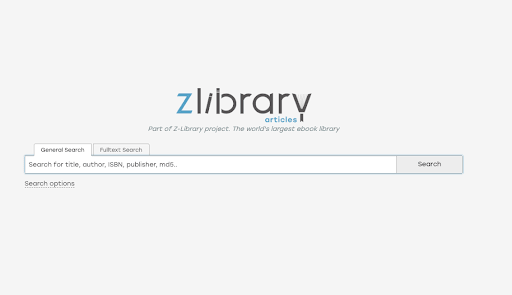
The latest Z library official site update has introduced a new web address, giving the well-known e-library another point of access on the internet. Changes to a site address can look small, but they often matter to a large online community that checks the same service regularly. For Z-Library, the new address also reflects how quickly online reading services can change their web presence.
Table of Contents
Why The New Address Matters
Many readers turn to Z-lib when they want a broader selection of books than they may find through a single conventional bookstore or library catalogue. Z-Library has built its identity around a large e-library collection that covers many subjects, languages, and types of written material. That broad scope helps explain why even a simple domain update can attract attention among people who follow the service.
A new web address also changes the way people identify the official Z-Library site. Search results may contain old references, saved pages can point to previous addresses, and discussions across forums or social networks may continue to mention earlier domains. As a result, the address itself becomes an important part of the site’s identity. It works a little like a street sign that has been replaced while the building remains familiar.
What A Web Address Change Can Signal
A domain update does not necessarily mean that the core e-library has changed. The catalogue, interface, search tools, and general structure may remain familiar even when the address shown in the browser is different. This distinction helps put the latest Z-Library update into perspective and prevents the web address from becoming the whole story.
There are several practical reasons why an online service may move to another domain or establish a different official address. A new domain can provide a cleaner web identity, support changes in site infrastructure, or help maintain a stable route to the same service. For a large e-library, even small technical changes can affect how easily people recognise the correct website.
The update can be understood through three simple points:
- A Clearer Official Identity
A new address gives Z-Library a fresh way to define its official web presence. This matters because online services often appear under several addresses in search results, old articles, bookmarks, and community discussions. When the official site changes its address, the new domain becomes an important reference point for identifying the current version of the service. A clear identity also makes it easier to separate current information from older references that may remain visible long after a website has moved. That process takes time, since the internet rarely forgets an old address overnight.
- Better Recognition Across The Web
A web address can become closely linked with a site’s reputation and visibility. When Z-Library introduces a new address, mentions of the service may gradually shift toward the updated domain. Search engines, websites, and online communities can all play a role in that transition. Older pages may continue to use previous wording, while newer discussions adopt the latest address. This creates a period where several versions can appear at once, making accurate and current information more useful than ever.
- A Sign Of Ongoing Change
The new address also shows how flexible major e-libraries must be when managing their online presence. Websites do not exist in a fixed form forever. Domains change, interfaces evolve, and technical systems are updated as services grow. Z-Library’s latest address therefore represents more than a different line in a browser bar. It is one visible part of the wider process of keeping an established online library connected with its audience while its web infrastructure develops.
What The Update Means For Z-Library
The latest address is best viewed as part of the continuing story of Z-Library rather than as a complete change to the e-library itself. Its main importance lies in giving the service a current web identity while older references gradually lose their relevance. For readers and publishers discussing the platform, using the current official site name and address can also reduce confusion.
Web addresses may seem like minor details, but they often become landmarks in online culture. A familiar domain can stay in bookmarks and conversations for years, even after a service moves elsewhere. The newest Z-Library update shows how much weight a short web address can carry when it belongs to a widely known e-library. The domain may have changed, but the wider role of Z-Library as a large online library remains the central point.

