
Video is now the default language of the internet, yet producing it well has traditionally demanded gear, software skills, and time that most people simply do not have. That gap is closing fast. An ai video generator lets you describe a scene, upload a script, or repurpose existing footage and receive a polished clip without ever touching a timeline or a camera. For small business owners, solo creators, and lean marketing teams, this is a genuine shift in what is possible on a modest budget. But turning that potential into results you are proud of takes more than typing a prompt and hoping for the best. The people who get striking output consistently understand what to feed the tool, how to shape the raw result, and where their own judgment still matters most. This guide walks through a practical, repeatable process for producing clips that look intentional rather than accidental, covering everything from planning your idea to the final export that goes live in front of an audience.
Table of Contents
Start With a Clear Idea, Not a Clever Prompt
The single biggest predictor of a good result is clarity about what the video is supposed to accomplish before you generate a frame. Decide who the clip is for, what one thing you want them to feel or do, and how long you have to earn it. A product teaser, a tutorial, and a brand story each demand a different structure, and skipping this step is why so many generated videos feel aimless. Once you know the goal, an ai video generator becomes a tool for executing a plan rather than a slot machine you keep pulling. Write a one-line summary of the payoff you are building toward and keep it visible while you work. Every choice, from pacing to music to the final shot, should serve that single line, and anything that does not is a candidate for the cut.
Feeding the Tool Better Inputs
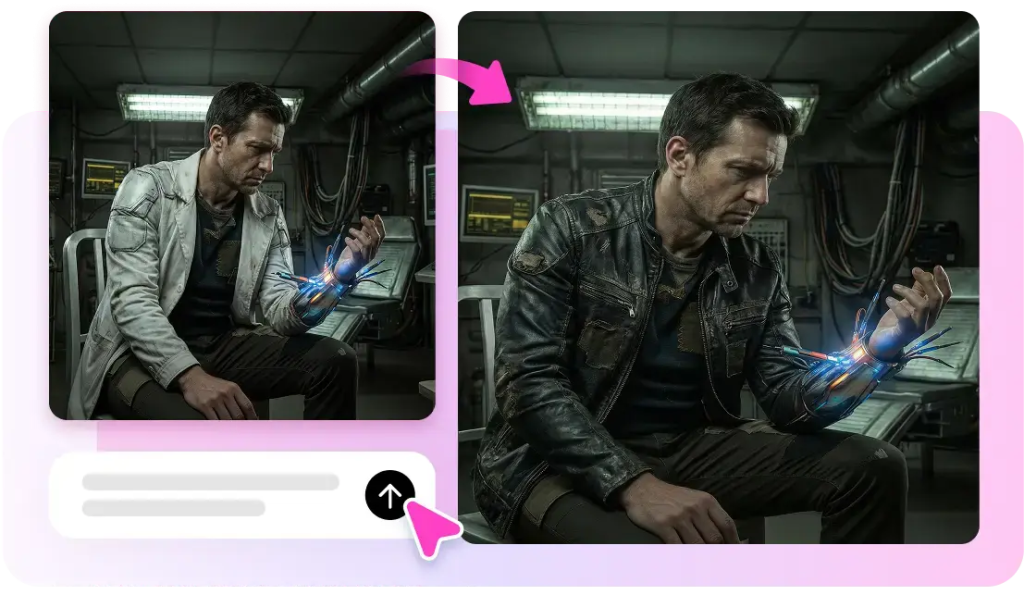
Generation quality rises and falls with the quality of what you provide. Concrete descriptions beat vague ones every time: name the setting, the lighting, the mood, and the action instead of asking for something generically impressive. If the tool accepts a script, write it the way you would speak it aloud, in short sentences with a clear rhythm, because that translates into more natural voiceover and smoother pacing. When you have reference images or brand footage, use them, since grounding the output in real assets keeps it recognizable and on-brand. Think of your inputs as directing notes for a fast but literal collaborator that does exactly what you say and nothing you merely implied.
Shaping the Raw Output Into Something Polished
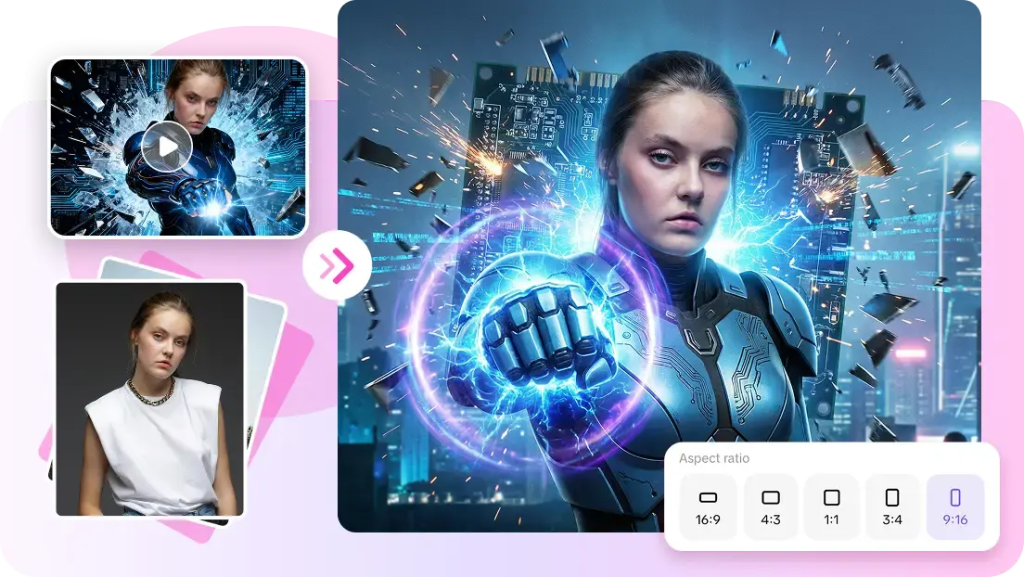
The first render is a starting point, not a finished film. The difference between amateur and professional results usually lives in the edit, and even highly automated tools give you levers worth pulling. Pacing is the most important one. Trim any shot the moment it stops adding information or emotion, and do not be precious about footage just because it looks nice. Viewers decide within seconds whether to keep watching, so front-load your most compelling moment rather than saving it for a reveal most people will never reach.
Sound Does Half the Work
People forgive imperfect visuals far more readily than bad audio. Clear voiceover, a music bed that matches the mood, and well-timed sound effects can lift an ordinary clip into something that feels deliberate and produced. Choose a track that supports the emotion of each section rather than one loop stretched across the whole video, and keep the music low enough that any narration stays crisp. Because so many viewers watch muted at first, well-timed captions are not a nice extra but a core part of the edit. Clean subtitles keep your message legible in silence and often determine whether someone turns the sound on at all.
Consistency Across a Series
If you are producing more than a single clip, consistency becomes a quiet superpower. A recognizable look, a steady color palette, a familiar intro, and a consistent voice train your audience to know your content at a glance. Save the settings and assets that worked so you are not rebuilding your style from scratch each time. Tools such as Pippit AI let you store templates and brand elements that carry forward automatically, which means your fifth video inherits the polish you dialed in on your first and your channel starts to feel like a coherent body of work rather than a scattering of one-offs.
Publishing, Measuring, and Improving
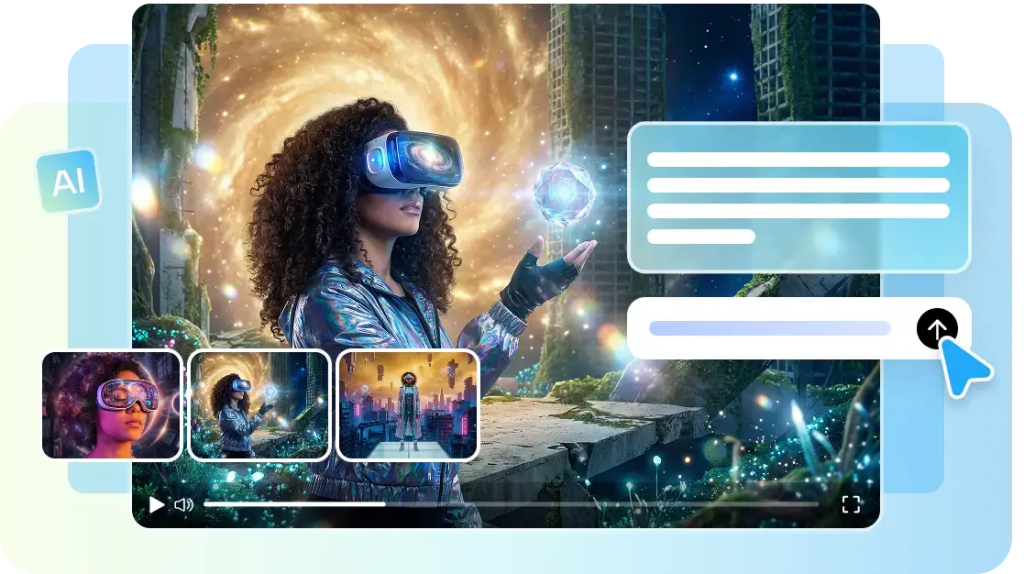
Getting the clip live is the beginning of the useful feedback, not the end of the project. Every platform rewards slightly different things, so export in the right aspect ratio and length for where the video will actually appear rather than forcing one master cut everywhere. Once it is published, watch the retention curve closely. The exact second viewers drop off tells you where your pacing sagged or your promise went unmet, and that is information you can act on immediately in your next render.
Turning Data Into Better Videos
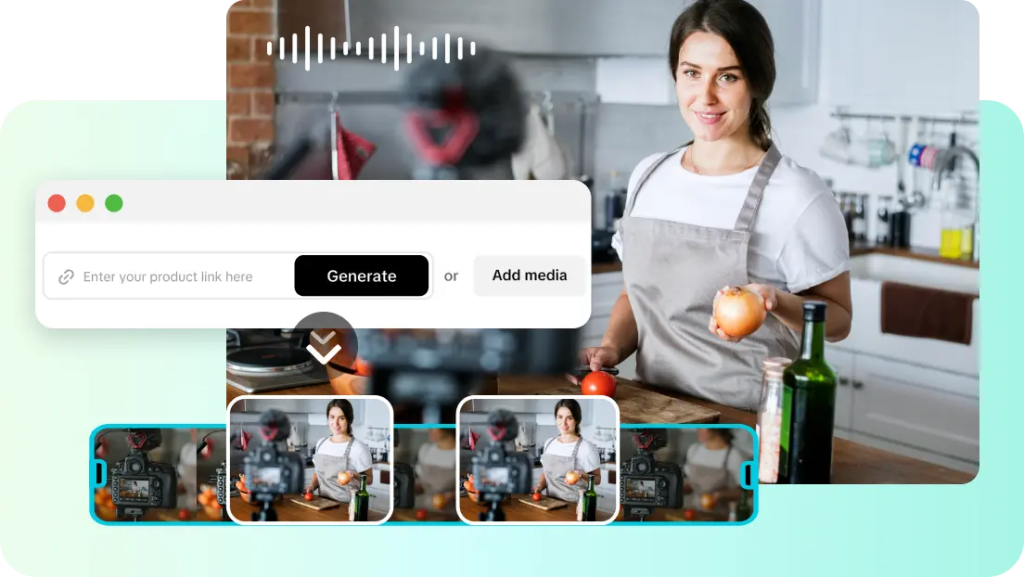
Treat your analytics as creative direction rather than a report card. If people abandon a video early, your opening is likely too slow or unclear, and tightening the first few seconds is usually the highest-leverage fix available. If engagement dips in the middle, the story probably loses momentum there, and a sharper transition or a trimmed section can recover it. Because generation makes each new version cheap to produce, you are free to treat these insights as instructions and rebuild quickly, which is a luxury traditional production never offered. Over time this loop of make, measure, and refine improves your instincts as much as your output.
From Idea to Finished Clip, on Your Terms
Producing professional-looking video no longer requires a studio, a crew, or years of editing experience. What it requires now is clarity about your goal, thoughtful inputs, a willingness to shape the raw result, and the discipline to learn from how each video performs. Used this way, automated generation compresses a process that once took days into one you can complete in an afternoon, without sacrificing the intentionality that separates memorable content from filler. The creators and teams who thrive will be the ones who treat these tools as a capable collaborator, supplying the vision and taste that no system can invent and letting the technology handle the heavy lifting. Master that partnership and you can turn almost any idea into a clip worth watching, faster than you might have thought possible.
