
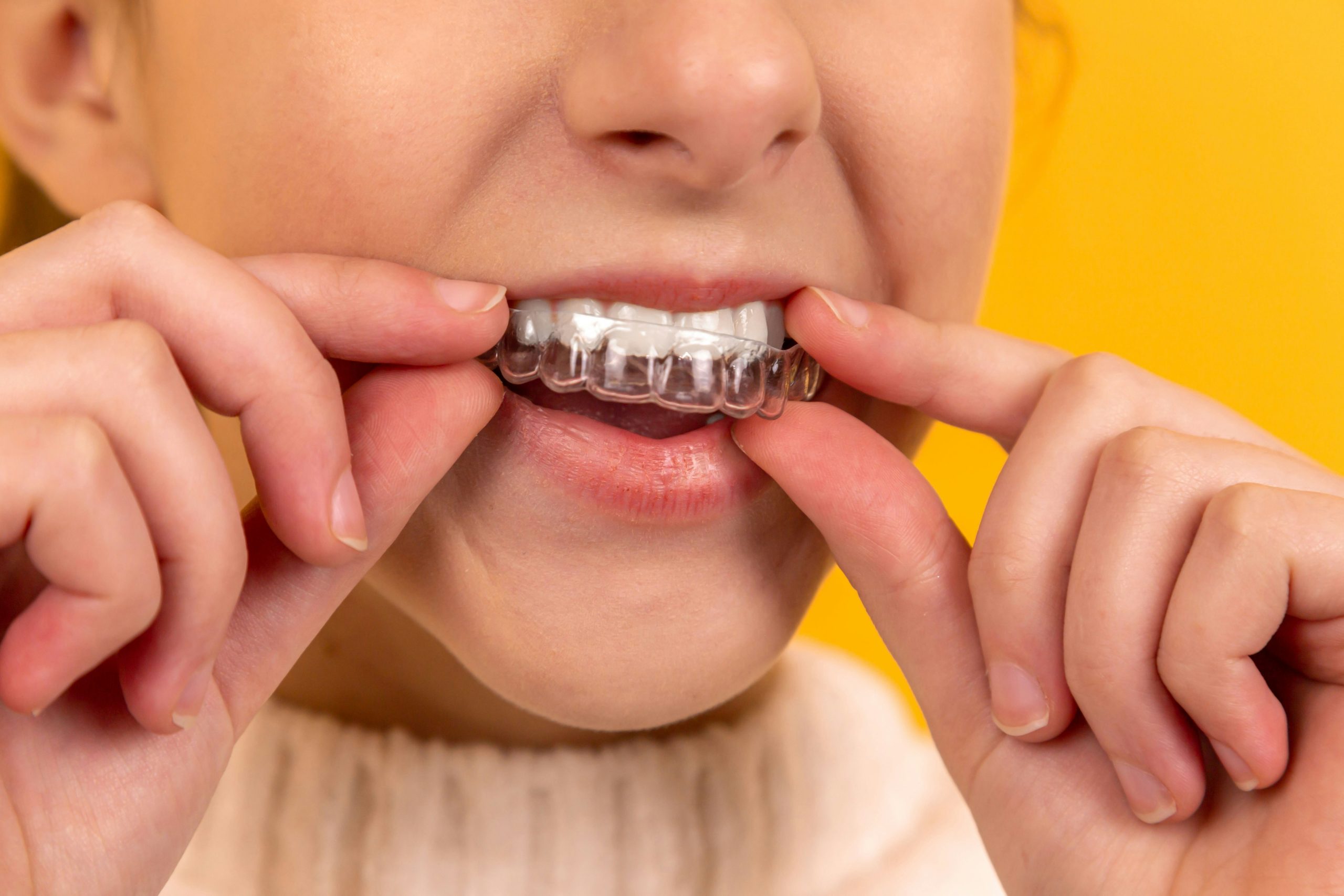
You might be feeling a mix of curiosity and hesitation about clear aligners. Maybe you have a teenager who is self conscious about their smile, or you are a parent who never got braces and now winces every time you see your own teeth in photos. You want something that looks natural and fits a busy family schedule, but you also do not want to gamble with your health or your child’s bite, so working with an experienced dentist in Kew Gardens, NY can give you confidence in your treatment plan.end
That tension is real. On one side you see ads for mail order trays that promise a perfect smile with almost no effort. On the other, you hear your inner voice asking whether moving teeth is really something to do without a dentist’s eyes on you. It can feel like you are stuck between wanting a confident smile and fearing you might make a choice you regret.
Here is the short version. Clear aligners can be an effective, family friendly way to straighten teeth when they are planned and supervised by a dentist who understands both appearance and long term health. A family and cosmetic dentist can use aligners as one tool among many, not as a one size fits all answer. The six points below show how clear aligners fit into that wider cosmetic toolkit, and how you can use them safely and wisely for yourself or your kids.
Table of Contents
How do clear aligners fit into your family’s bigger smile goals?
It often starts with something small. A front tooth that crosses over its neighbor. A bite that feels just a little off. A teen who refuses to smile in school photos. You look up clear aligners and the before and after pictures are tempting. Straight teeth, no metal, fewer visits. It sounds perfect.
Then the questions creep in. What if the trays do not track and the teeth move the wrong way. What if there is a hidden cavity no one checks because you never see a dentist in person. What if fixing one problem now causes jaw pain or chipping later.
This is where a clear teeth aligner treatment planned by a family dentist is very different from a one off product. In a family practice, aligners are chosen only after a full exam, X rays, and a conversation about your history. Your dentist is not just looking at crooked teeth. They are thinking about joint health, gum support, enamel thickness, and how your smile will age.
Because of this wider view, clear aligners become one piece of a cosmetic plan instead of the whole plan. Sometimes they come first, to straighten teeth before whitening or bonding. Sometimes they come later, after decay or gum issues are treated. Sometimes your dentist may say that aligners are not right for you at all, and that honesty is part of the value.
What problems can clear aligners solve in a family cosmetic setting?
When used thoughtfully, aligners can address both appearance and function. That combination is where a cosmetic dentistry approach really shows its strength.
For example, imagine a parent in their forties with crowding on the bottom teeth and worn edges on the top front teeth. A quick cosmetic fix might be to place veneers only. A family dentist, though, may suggest clear aligners first to uncross the teeth and reduce the grinding pattern. Then conservative bonding or veneers can be used. The result looks better and is more likely to last.
Or think about a teenager whose front teeth stick out slightly, making them a target for teasing. Clear aligners, monitored in person, can gently bring those teeth back into alignment while also guiding jaw growth. At the same time, the same office can manage regular cleanings, sealants, fluoride, and sports mouthguards. Your child’s smile is not treated as a separate project. It is part of their overall health.
Aligners can also help with issues you might not link to cosmetics at first. Straighter teeth are often easier to clean. The American Dental Association has highlighted research on how clear aligners can influence the mouth’s bacterial balance. In simple terms, the way teeth move and the plastic surfaces you wear can change how plaque behaves. That is one more reason supervision matters. Your dentist can adjust your cleaning routine and visit schedule to protect your gums while you are in trays.
Why does professional supervision matter so much with clear aligners?
You have likely seen low cost, direct to consumer aligner brands that promise fast results without ever stepping into a dental office. The price and convenience can be tempting, especially if you are juggling work, kids, and a tight budget.
The problem is that moving teeth is not just a cosmetic tweak. Teeth sit in bone. They are supported by gums and ligaments. They are connected to your bite, your jaw joints, and even your facial profile. When this system is changed without proper exams and ongoing checks, the risks increase. Root damage, gum recession, bite collapse, and untreated cavities are not marketing talking points, but they are real possibilities.
The American Dental Association has gone so far as to reaffirm its policy opposing unsupervised, mail order dentistry. You can read their position on direct to consumer clear aligners and other DIY care. Their concern is simple. If no dentist examines you in person, diagnoses your condition, and follows your progress, it is very hard to keep you safe.
In a family practice, the approach is the opposite. Your dentist checks that your gums are healthy enough to start. They measure bone levels. They look for hidden infection. During treatment, they verify that each tooth is moving as planned. If something looks off, the plan is changed or paused. You get cosmetic progress without turning your mouth into a do it yourself project.
How do clear aligners compare with DIY options and traditional braces?
When you are deciding what is right for your family, it helps to see the trade offs side by side. This is not about pushing you toward one answer. It is about giving you enough clarity to feel calm about your choice.
| Option | Who Oversees Care | Typical Uses | Main Benefits | Main Risks or Limits |
| Clear aligners with family dentist | In person exams and ongoing checks | Mild to moderate crowding, spacing, some bite issues | Nearly invisible, removable for eating and brushing, integrated with cleanings and other cosmetic care | Requires discipline to wear trays as directed, may not suit very complex cases |
| Mail order or DIY aligners | Remote review, no in person oral exam | Limited cosmetic straightening, no full bite correction | Lower upfront cost, no office visits | Higher risk of undetected disease, bite problems, or tooth damage, no hands on adjustments if things go wrong |
| Traditional braces in office | Orthodontist or dentist in person | Simple to very complex bite and alignment problems | Very versatile, does not rely on patient wearing trays, good for younger children | More visible, can be harder to clean around, some food limits |
So where does that leave you. If you or your child have straightforward crowding or spacing and you can commit to wearing trays as directed, clear aligners in a family practice can give you a more natural look without braces. If your case is more complex, your dentist might still begin with aligners, or they might refer you for braces, then finish with cosmetic touches like whitening or bonding in their own office. The key is that you are not left guessing.
What are 6 specific ways aligners support a family dentist’s cosmetic work?
When you hear about a clear aligner smile makeover, it can sound like a single treatment. In a family and cosmetic setting, aligners are usually part of a sequence. Here are six ways they fit into that bigger picture.
1. Preparing teeth for conservative cosmetic work
Aligners can gently move teeth into better positions so your dentist can remove less enamel during bonding, veneers, or crowns. For example, instead of shaving down a twisted tooth to make room for porcelain, your dentist can first straighten it with trays. This protects tooth structure and often lowers long term sensitivity.
2. Creating more balanced, natural looking smiles
Cosmetic dentistry is not just about whiter teeth. It is about how teeth line up with your lips and face. Aligners help even out midlines, close black triangles, and reduce excessive flaring. The result is a smile that looks like it belongs to you, not something copied from a photo.
3. Supporting gum health and easier cleaning
Crowded teeth trap plaque. Overlapping areas are hard to floss and brush, which raises the risk of gum disease and decay. By straightening those teeth, aligners make your daily care simpler. Your hygienist can also clean more effectively, which supports both oral health and a brighter cosmetic result.
4. Coordinating with whitening for a stronger cosmetic impact
Many family dentists time professional whitening around aligner use. Sometimes whitening is done first to set a target shade. Other times, whitening gels are used with the aligner trays themselves. When the teeth finish moving and the color is already improved, your smile can look dramatically different with very little extra work.
5. Protecting teeth from wear and chipping
When teeth are out of alignment, they often hit each other in the wrong spots. That can cause chipping, flattened edges, and even fractures. Aligners can be used to adjust the bite so forces are spread more evenly. After that, small chips can be smoothed or bonded, and the teeth are less likely to break again.
6. Offering a discreet option for parents and teens
Self confidence matters, whether you are a teenager navigating school or a parent in a client facing job. Because aligners are clear and removable, many people feel more at ease starting treatment. That comfort often means they stick with the plan and reach the cosmetic finish line, instead of quitting halfway because they are embarrassed by brackets.
What can you do right now to move forward safely?
1. Schedule a full, in person evaluation
Before you commit to any clear aligner plan, have a complete exam with a trusted family and cosmetic dentist. That should include X rays, gum measurements, and photos, not just a quick scan of your teeth. Ask directly whether aligners are the best choice for your goals or if there are better options for your situation.
2. Ask about the whole cosmetic roadmap, not just aligners
During your visit, invite your dentist to map out the full sequence. For example, “If we used aligners, where would whitening, bonding, or other work fit in, and what would you do first.” This helps you understand time, cost, and expected results, and it shows whether your dentist is thinking about long term health as well as appearance.
3. Clarify how your progress will be monitored
Before starting, ask how often you will be seen in person, what happens if a tooth does not move as planned, and who you can reach if something feels wrong between visits. You should know exactly how to get help, how often your bite will be checked, and how your dentist will protect your gums and enamel during treatment.
Feeling more clear about clear aligners and your family’s smiles
You do not have to choose between a confident smile and your long term oral health. Clear aligners, when used as part of a thoughtful cosmetic plan in a family practice, can support both. They can straighten, protect, and prepare your teeth for other subtle enhancements, all under the eyes of someone who knows your history and cares about your future.
The next step is simple. Reach out to a trusted family and cosmetic dentist, share your concerns and hopes, and ask whether clear aligners belong in your cosmetic toolkit. You deserve a plan that feels safe, realistic, and right for you and your family.

