
Startups rarely have a shortage of ideas. What they usually lack is time. A founder wants a launch teaser. A marketer needs three versions of a product clip. A sales team asks for a short demo. A social media manager wants something vertical before the week ends.
The problem is that video still takes longer than most teams expect. Even a short clip can involve scripting, screenshots, product images, editing, music, captions, and review. By the time the first version is ready, the team may already have changed the campaign message.
That is why more startup teams are treating AI video less like a novelty and more like a drafting tool. The point is not to replace every editor or designer. It is to see whether a video idea works before spending hours polishing the wrong direction.
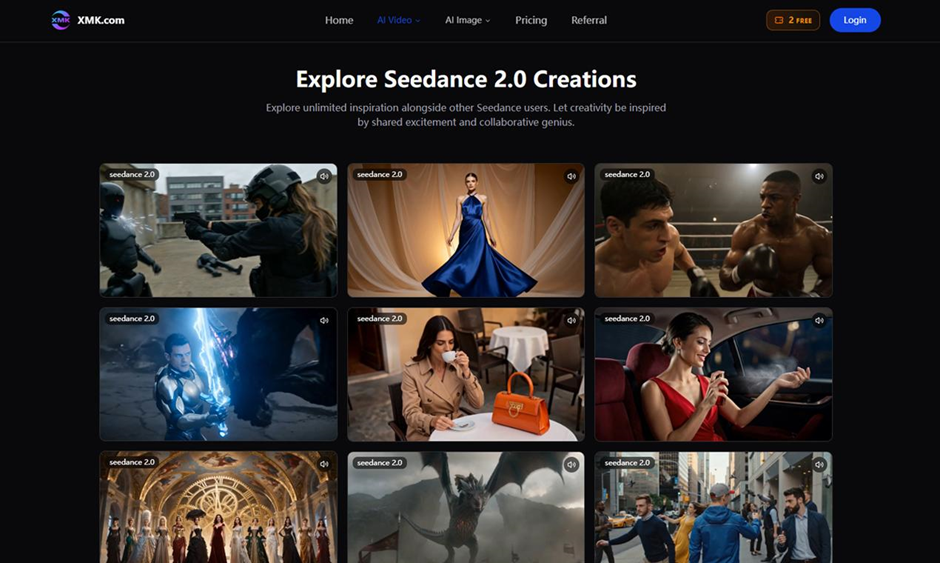
Table of Contents
The First Video Draft Is Often the Bottleneck
Many startup videos begin with rough materials. A product screenshot. A landing page mockup. A founder’s notes. A voice clip from a demo. A customer pain point written in a document. These pieces may be useful, but they do not show how the story feels in motion.
A written brief can sound convincing until someone tries to edit it. A product image may look clear, but the clip may need a stronger opening. A social ad idea may feel promising, but the pacing may be too slow for a mobile feed.
This is where tools such as Seedance 2.0 can fit into a startup workflow. The platform supports text, image, audio, and video references, which means teams can start with real campaign assets instead of relying only on a blank prompt.
For a small team, that can make the first draft easier to reach.
Why Existing Assets Matter
Most startups already have more creative material than they realize. Product screenshots, pitch deck visuals, customer journey diagrams, demo clips, brand images, short audio notes, and social graphics can all become reference material for video drafts.
Reference-based video generation is useful because it keeps the result closer to the real business. A screenshot can guide the product focus. A short clip can guide motion. Audio can help shape rhythm. A prompt can describe camera movement, atmosphere, and pacing.
With AI video workflow tools, a team can test a visual direction without building the whole edit from scratch. That is helpful when a campaign needs several possible angles before one is chosen.
A founder may want a cleaner product-led clip. A marketer may want a more emotional customer-story version. A social manager may want a faster short-form cut. Seeing rough drafts side by side makes the decision easier.
A Better Way to Test Campaign Ideas
Early-stage companies often move quickly, but video production can slow down that pace. A team may spend time polishing one version of a clip, only to discover that the hook is weak or the product appears too late.
AI video helps teams test before they overcommit. A rough draft can show whether the message is clear, whether the product stays visible, and whether the video feels suited to the target platform.
This is especially useful for launch campaigns. A startup can test a homepage hero clip, a short ad concept, a feature teaser, and a founder-led story angle before deciding where to spend editing time.
Where Entrepreneurs Can Use It
The most useful cases are practical and repeatable.
A SaaS startup can turn interface screenshots into a short feature draft. An ecommerce founder can test a product teaser from still images. A coach or course creator can create a lesson intro from slides and voice notes. A digital agency can prepare several campaign concepts before showing a client.
These are not big-budget productions. They are the kind of daily content tasks that slow down small teams.
Using reference-based video generation in this way gives teams a faster path from idea to review. The output can become a social draft, an internal concept, a client preview, or a starting point for a human editor.
A Lean Workflow for Startup Teams
A simple process works best:
- Choose one business goal for the video.
- Gather approved images, clips, audio, screenshots, or brand visuals.
- Write a prompt that explains the scene, tone, movement, and platform.
- Generate a short draft.
- Review clarity, pacing, and product visibility.
- Adjust the prompt or references.
- Send the strongest version into editing or publishing.
This keeps AI video connected to a real marketing goal. It also keeps people responsible for the message. The tool creates a draft; the team decides whether the story is useful.
Keeping the Content From Feeling Generic
The risk with AI content is sameness. Many clips can look polished but forgettable. Startup content cannot afford that. It needs a clear product point, a believable use case, and a reason for the audience to care.
The best way to avoid generic output is to use real references and specific direction. Instead of asking for a vague “modern tech video,” a team can upload product visuals, define the customer problem, describe the action, and explain the tone.
Human review is still the filter. If the draft feels off, the team should change it. If the product is unclear, the prompt needs work. If the clip looks good but says nothing, it is not ready.
What This Means for Startup Marketing
AI video will not remove the need for strategy, taste, or editing. But it can make the early stage of video production less slow.
For entrepreneurs, that matters. A small team can test more ideas, compare more directions, and avoid spending time on weak concepts. Video becomes easier to prototype, even if the final version still needs a skilled editor.
As content demands keep growing, the advantage may go to teams that learn faster. Not just teams that publish more, but teams that can see an idea in motion, improve it, and move forward before the opportunity passes.
