
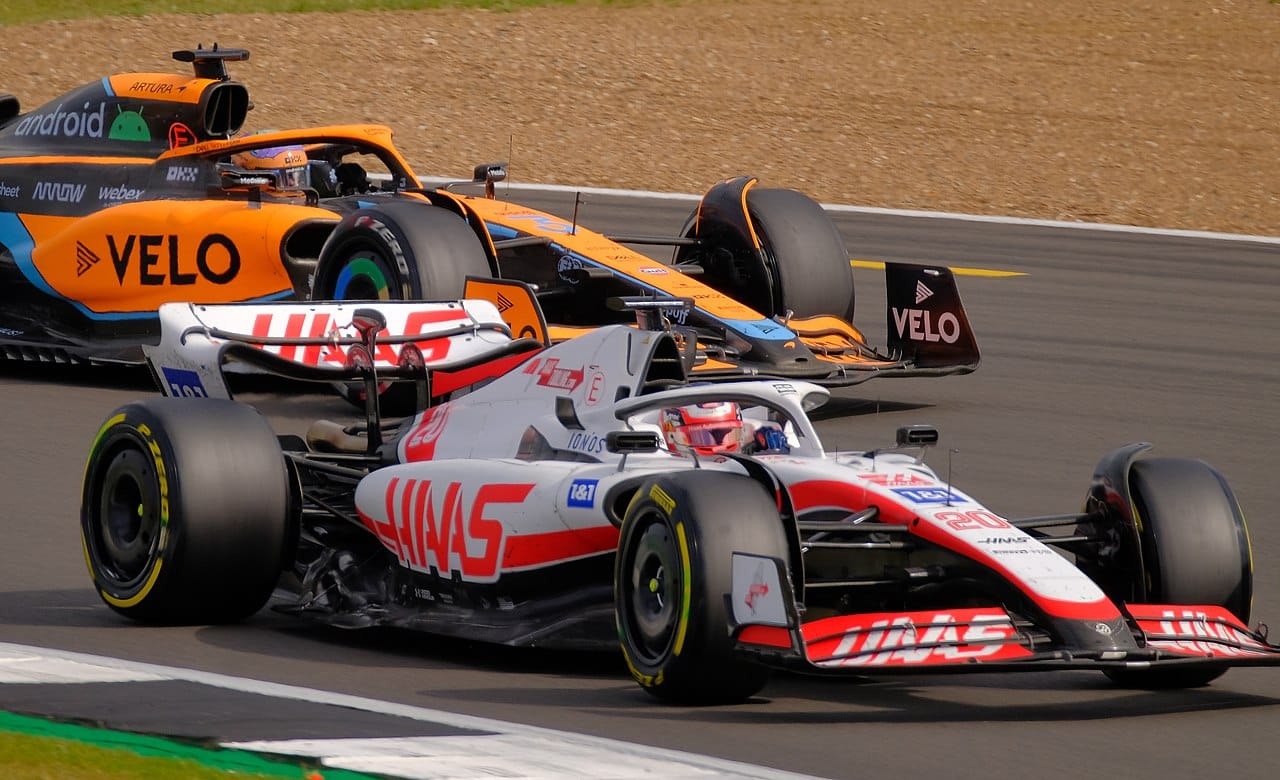
Social media has become one of the most powerful tools in motorsports marketing, allowing sponsorship agencies to connect brands with global racing audiences in real time. Companies such as World Sports Advertising recognize that modern fans expect constant digital interaction, exclusive content, and engaging online experiences alongside live racing events. Motorsports sponsorship agencies integrate social media campaigns into their strategies to increase brand visibility, improve audience engagement, and create stronger emotional connections between fans and sponsors. Through creative storytelling, influencer collaborations, live event coverage, and data-driven marketing, agencies transform social media platforms into valuable tools for building successful sponsorship campaigns in the motorsports industry.
Table of Contents
Creating Real-Time Race Content
One of the most important ways motorsports sponsorship agencies integrate social media campaigns is through real-time race coverage. Fans want instant access to updates, highlights, and behind-the-scenes content while races are happening. Sponsorship agencies create fast-paced digital content that keeps audiences engaged before, during, and after events.
Live updates may include race statistics, pit stop footage, driver reactions, qualifying highlights, and team celebrations. Short-form videos and live streaming are especially effective because motorsports audiences enjoy visually exciting content that captures the speed and intensity of racing.
Real-time content increases fan interaction because viewers actively comment, share, and react to updates as events unfold. Sponsors benefit from this constant engagement because their branding appears alongside exciting race moments that generate high audience attention.
Using Social Media for Brand Storytelling
Motorsports sponsorship agencies understand that social media is not only about promotion but also about storytelling. Effective campaigns focus on creating emotional narratives that connect audiences with teams, drivers, and sponsor brands.
Agencies produce content that highlights driver journeys, team preparation, engineering innovation, and behind-the-scenes moments. These stories make racing more personal and relatable for fans, helping sponsors build stronger emotional connections with audiences.
Storytelling also allows brands to communicate their identity more effectively. Luxury automotive sponsors may focus on innovation and performance, while lifestyle brands may emphasize excitement and entertainment. By aligning storytelling with sponsor values, agencies create more meaningful and memorable campaigns.
Visual storytelling through cinematic videos, photography, and social media reels also increases audience retention and sharing. Fans are more likely to engage with content that feels authentic and emotionally compelling rather than overly promotional.
Collaborating With Drivers and Influencers
Driver partnerships and influencer collaborations play a major role in motorsports social media campaigns. Racing drivers often have dedicated fan bases that trust and follow their online content closely. Sponsorship agencies use these relationships to increase campaign reach and engagement.
Drivers may participate in interviews, livestreams, social media challenges, or sponsored posts that promote partner brands. Because fans admire and follow these athletes, brand messages delivered through drivers often feel more genuine and relatable.
Influencers also help sponsorship agencies connect with younger audiences who spend significant time on platforms such as TikTok, Instagram, and YouTube. Motorsport influencers create entertaining and engaging content that introduces sponsor brands to wider online communities.
Collaborations with influencers and drivers also generate higher engagement rates because audiences are more likely to interact with familiar personalities than traditional advertisements.
Encouraging Fan Participation Through Interactive Campaigns
Interactive campaigns are another important element of motorsports social media integration. Sponsorship agencies create activities that encourage fans to actively participate rather than simply consume content.
Popular strategies include polls, prediction contests, fan voting campaigns, giveaways, quizzes, and hashtag challenges. These activities make audiences feel more involved in the motorsports experience while increasing online interaction.
For example, agencies may invite fans to predict race winners, vote for the best overtaking moment, or share race-day photos using branded hashtags. Winners may receive merchandise, VIP tickets, or exclusive behind-the-scenes experiences.
User-generated content is especially valuable because it expands sponsor visibility organically. When fans create and share their own race-related content, they effectively become brand ambassadors who help spread campaign messages to broader audiences.
Leveraging Video Content for Greater Reach
Video content is one of the most effective forms of social media engagement in motorsports sponsorship campaigns. Racing naturally provides visually dynamic material that performs well across digital platforms.
Sponsorship agencies create short highlight clips, onboard racing footage, pit lane videos, driver interviews, and cinematic recaps designed for platforms such as YouTube, Instagram Reels, and TikTok. These videos capture the excitement of motorsports and encourage sharing among fans.
Short-form video content is particularly important because modern audiences consume large amounts of entertainment through mobile devices. Quick, engaging videos help sponsors remain visible even among users with short attention spans.
Video campaigns also allow brands to showcase innovation, performance, and excitement in a more immersive format. This strengthens brand identity while making sponsorship messages more memorable for audiences.
Integrating Social Media With Live Events
Motorsports sponsorship agencies often combine digital campaigns with live race experiences to create a seamless fan journey. Social media is used to promote race-day activities, encourage event participation, and extend audience engagement beyond the physical venue.
At races, fans may scan QR codes, participate in live polls, or post content from branded fan zones. Digital screens at venues may display fan posts and real-time social media interactions, making audiences feel included in the event atmosphere.
This integration helps sponsors maintain engagement both online and offline. Fans attending the race become part of the social media campaign, while remote audiences can still feel connected through digital content and live interaction.
Measuring Campaign Performance Through Analytics
Data analysis is essential for successful social media integration. Sponsorship agencies monitor metrics such as engagement rates, impressions, click-through rates, shares, and audience demographics to evaluate campaign effectiveness.
Analytics help agencies understand which content performs best and which audience segments respond most positively. This information allows sponsors to improve future campaigns and maximize return on investment.
By tracking digital performance, sponsorship agencies can continuously optimize content strategies, posting schedules, and audience targeting. Data-driven decision-making ensures that social media campaigns remain relevant and impactful in a highly competitive digital environment.

