
Table of Contents
Key Takeaways
- Infant care supports early development needs with closer supervision and flexible routines.
- Preschool introduces structured learning with stronger language immersion.
- Costs and environments differ based on care intensity and educational focus.
Introduction
Deciding between a bilingual preschool in Singapore and infant care usually begins when daily routines become difficult to manage alongside work commitments. Parents often need a setting that supports their child’s development while maintaining consistency throughout the day. The decision becomes less about choosing the better option and more about identifying which environment matches a child’s stage and needs. Differences in structure, interaction, and expectations shape how children adapt, which makes it important to understand how each setting operates before making a commitment.
1. Age Requirements and Entry Stages
Infant care centres accept children from as early as a few months old, which allows families to secure support soon after returning to work. At this stage, children depend on caregivers for nearly every aspect of daily care, including feeding, rest, and basic stimulation. In contrast, a bilingual preschool in Singapore introduces children to a more interactive environment from around 18 months onwards, when they begin to show readiness for structured group engagement. This transition reflects a gradual shift from dependency towards guided participation.
2. Caregiver Ratios and Supervision Levels
Supervision differs noticeably between the two settings due to varying developmental needs. Infant care centres maintain low caregiver-to-child ratios to ensure that each child receives consistent attention and support. This level of supervision allows caregivers to respond quickly to changing needs throughout the day. In preschool settings, children demonstrate greater independence, which allows for slightly higher ratios while still maintaining oversight. This adjustment reflects a balance between supervision and encouraging self-directed activity.
3. Language Exposure and Teaching Approach
Language development takes on different forms depending on the environment. Infant care introduces language through repetition, songs, and simple interactions, which helps children become familiar with sounds and rhythms. A bilingual preschool in Singapore adopts a more structured approach by embedding two languages into daily activities. Teachers guide children through conversations, storytelling, and play-based learning in both languages, which strengthens comprehension over time. This consistent exposure helps children build confidence in expressing themselves.
4. Cost Considerations and Fee Structures
The difference in cost often reflects the intensity of care provided at each stage. Infant care price levels tend to be higher because younger children require constant supervision and specialised facilities. These costs account for staffing, equipment, and the level of attention needed throughout the day. As children move into preschool, fees may stabilise because care shifts towards group-based learning rather than continuous individual attention. Understanding how costs change across stages helps parents plan for long-term childcare arrangements.
5. Daily Routines and Scheduling
Daily routines influence how children adjust to structured environments over time. Infant care follows flexible schedules that align with each child’s feeding and sleeping patterns, which supports natural development. This flexibility ensures that children remain comfortable while adapting gradually to group settings. Preschools introduce more structured routines that organise activities into defined periods, such as playtime, meals, and rest. This approach prepares children for the expectations of formal schooling while encouraging consistency.
6. Learning Environment and Physical Setup
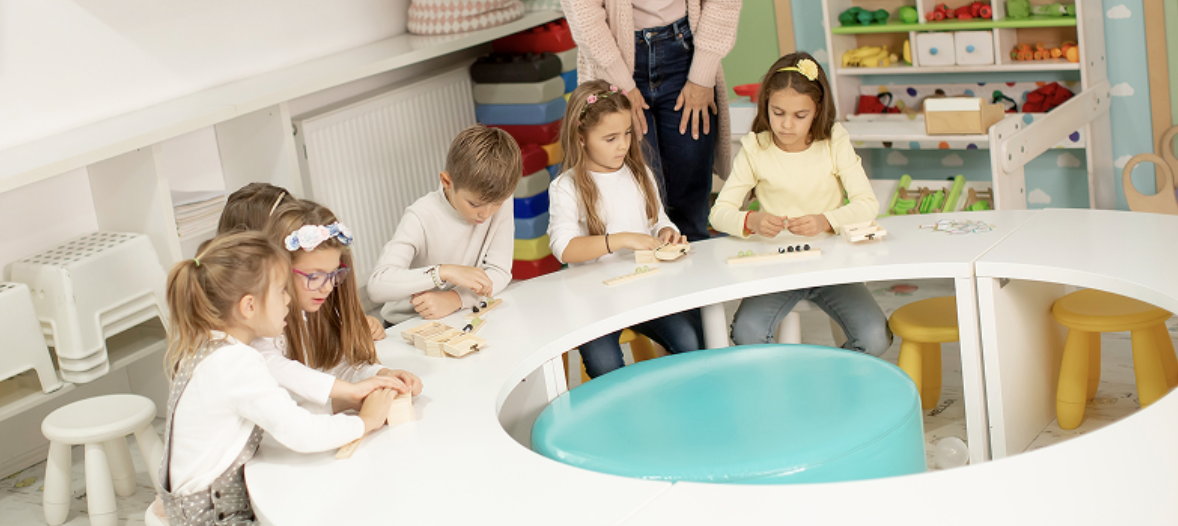
The physical setup of each environment reflects its primary focus. Infant care centres prioritise safety and comfort, with soft surfaces and enclosed spaces that support early movement. These environments encourage exploration while minimising risks. Preschools create designated learning areas that promote interaction, creativity, and problem-solving. Children engage with different zones throughout the day, which encourages varied forms of learning. This difference in setup influences how children interact with their surroundings and respond to structured activities.
Conclusion
Choosing between these options depends on how well each setting supports a child’s current stage of development. When parents understand how routines, supervision, and learning environments differ, they can select a setting that aligns with their child’s needs while maintaining consistency in daily care.
Contact MapleBear Lavender to arrange a school tour and explore how a bilingual preschool in Singapore supports your child’s development.

