
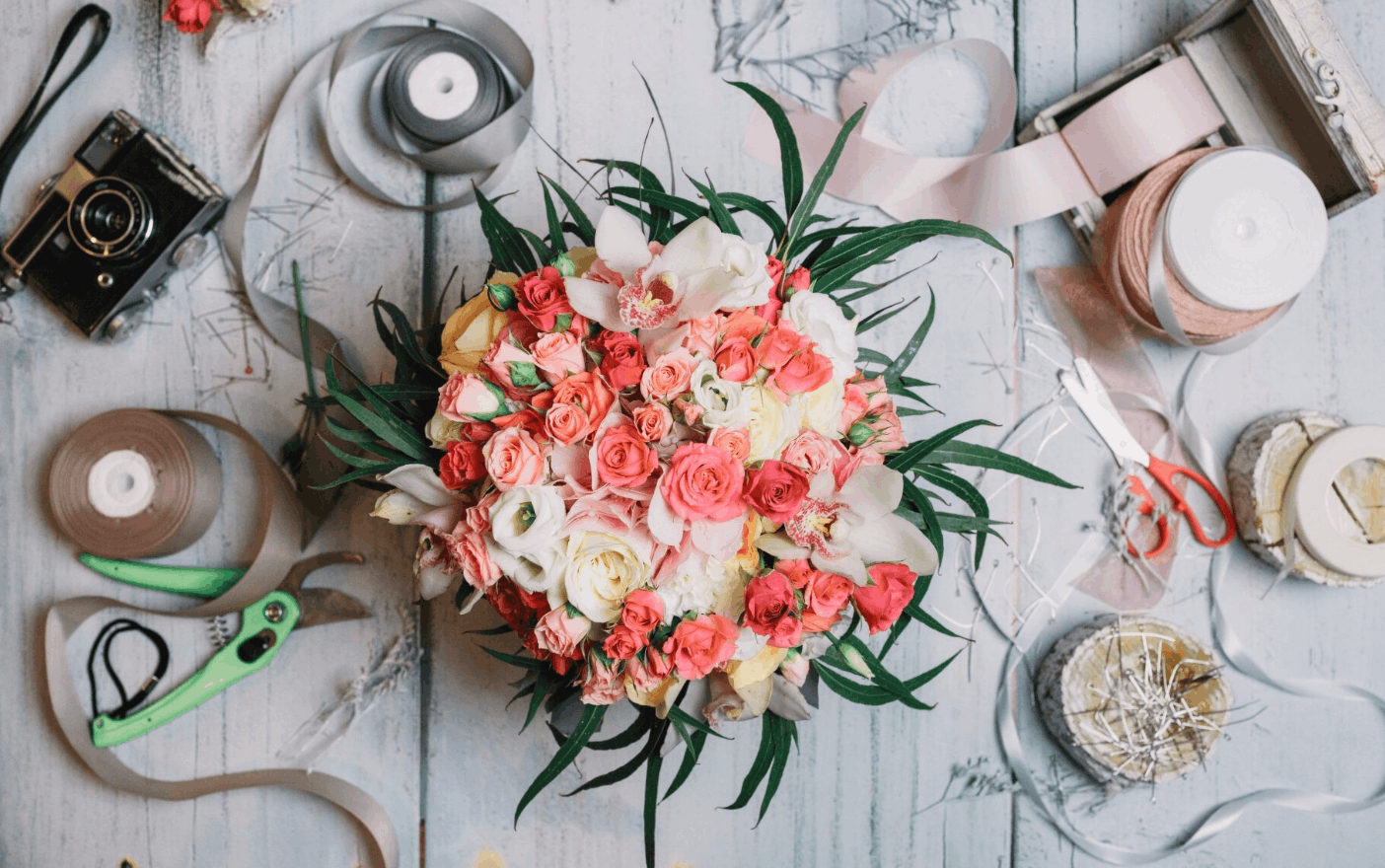
Wedding flowers play a major role in shaping the atmosphere of a celebration. From romantic bouquets to elegant reception centerpieces, floral arrangements add personality, color, and emotion to every moment of the event. Couples often spend months selecting blooms that match their vision, season, and venue style. Whether the wedding theme is classic, modern, rustic, or luxurious, flowers help bring every decorative detail together naturally.
The beauty of wedding florals goes beyond appearance. Certain flowers symbolize love, happiness, loyalty, and new beginnings, making them meaningful additions to the ceremony. Choosing the right floral combinations can also help create unforgettable photographs and lasting memories for guests and couples alike.
Table of Contents
Why Flowers Matter in Wedding Celebrations
Flowers are deeply connected with weddings because they represent beauty, growth, and celebration. Floral arrangements can soften a venue, create visual balance, and transform ordinary spaces into elegant settings. Bouquets, floral arches, table arrangements, and aisle decorations work together to create a cohesive design throughout the event.
In many cultures, flowers also hold traditional importance. Roses symbolize romance, lilies reflect purity, and peonies represent prosperity and happiness. Couples often include specific flowers because of sentimental value or family traditions. These small details can make the ceremony feel more personal and emotionally meaningful.
Creating the Right Atmosphere
Different flowers and colors influence the mood of a wedding. Soft pastel blooms create a romantic and delicate setting, while bold colors add energy and excitement. Greenery combined with white flowers offers a timeless and sophisticated appearance suitable for almost any venue.
Popular wedding flower styles include:
- Romantic garden-inspired arrangements
- Minimalist white floral designs
- Rustic wildflower combinations
- Tropical floral themes
- Vintage-inspired pastel bouquets
- Modern monochromatic arrangements
Carefully selecting floral styles helps couples maintain consistency across invitations, décor, attire, and reception details.
Choosing Seasonal Wedding Flowers
Seasonal flowers are often fresher, more affordable, and easier to source. They also naturally complement the weather and atmosphere of the wedding season. Understanding seasonal availability helps couples make smarter floral decisions without compromising style.
Spring Wedding Flowers
Spring weddings are known for fresh, soft, and colorful blooms. Popular choices include:
- Tulips
- Peonies
- Hyacinths
- Daffodils
- Ranunculus
These flowers work beautifully for outdoor ceremonies and garden-inspired receptions.
Summer Wedding Flowers
Summer weddings allow access to vibrant and bold floral options. Common summer flowers include:
- Sunflowers
- Roses
- Hydrangeas
- Dahlias
- Zinnias
Bright floral arrangements often pair well with outdoor venues, beach weddings, and evening celebrations.
Autumn Wedding Flowers
Autumn weddings usually feature warm and earthy tones. Popular flowers for fall ceremonies include:
- Chrysanthemums
- Marigolds
- Dahlias
- Celosia
- Orange roses
Couples often combine these flowers with dried foliage, berries, and textured greenery for added depth.
Winter Wedding Flowers
Winter weddings focus on elegance and rich textures. Seasonal favorites include:
- White roses
- Anemones
- Amaryllis
- Carnations
- Evergreen foliage
Deep red, white, and silver color palettes are common choices for winter floral themes.
Selecting the Perfect Wedding Bouquet
The bridal bouquet is one of the most important floral elements in a wedding. It reflects the bride’s personality and complements the dress, venue, and overall theme. Bouquet size, shape, and flower type all contribute to the final appearance.
Popular bouquet styles include:
- Round bouquets
- Cascade bouquets
- Hand-tied bouquets
- Nosegay bouquets
- Wildflower bouquets
Bridesmaids’ bouquets are usually designed to coordinate with the bridal bouquet without overpowering it. Using complementary colors and smaller arrangements helps create visual harmony.
When planning elegant floral designs, many couples explore inspiration for flowers for weddings to better understand arrangement styles, seasonal blooms, and decorative ideas.
Floral Decorations for Wedding Ceremonies
Ceremony flowers help define the focal points of the wedding venue. Floral arches, aisle arrangements, and altar decorations enhance the visual impact of the ceremony while creating a welcoming environment for guests.
Popular Ceremony Floral Ideas
Floral Arches
Floral arches create a beautiful backdrop for vows and wedding photography. They can be designed with roses, greenery, orchids, or seasonal flowers depending on the wedding style.
Aisle Decorations
Aisle flowers add elegance to the ceremony space without overwhelming the setting. Couples often use:
- Small floral clusters
- Hanging arrangements
- Candles with greenery
- Petal-lined walkways
Chair Arrangements
Decorating chairs with flowers or greenery adds subtle sophistication while maintaining a balanced overall design.
Reception Flower Arrangements
Reception flowers help tie together the dining and entertainment areas. Table centerpieces are often the main floral feature during the reception, but smaller floral accents can also enhance the atmosphere.
Centerpiece Styles
Wedding centerpieces can vary depending on venue size and theme. Some couples prefer tall arrangements for dramatic impact, while others choose low centerpieces for a more intimate setting.
Popular centerpiece options include:
- Glass vase arrangements
- Floating candle florals
- Rustic wooden box arrangements
- Greenery runners
- Minimalist floral clusters
Balancing height, fragrance, and color is important when designing reception flowers. Guests should still be able to comfortably interact across tables.
Matching Flowers with Wedding Themes
Wedding flowers should complement the overall design rather than compete with it. Coordinating florals with venue style, attire, and decorations creates a polished and cohesive look.
Rustic Weddings
Rustic weddings often feature:
- Sunflowers
- Eucalyptus
- Baby’s breath
- Wildflowers
- Wooden accents
These combinations create a relaxed and natural atmosphere.
Classic Weddings
Traditional weddings usually include timeless flowers such as roses, lilies, and hydrangeas in white or pastel shades.
Modern Weddings
Modern floral arrangements focus on clean lines, monochromatic palettes, and minimalistic designs. Orchids and calla lilies are popular choices for contemporary themes.
Bohemian Weddings
Boho weddings combine textures, dried flowers, pampas grass, and asymmetrical bouquets for a relaxed artistic style.
Budget-Friendly Wedding Flower Tips
Wedding flowers can become expensive, especially for large events. However, smart planning can help couples stay within budget while still achieving beautiful results.
Ways to Reduce Floral Costs
- Choose seasonal flowers
- Reuse ceremony flowers at the reception
- Incorporate more greenery
- Select locally sourced blooms
- Focus on high-impact areas only
- Use candles and non-floral décor alongside arrangements
Simple floral designs often appear more elegant than overly crowded arrangements. Quality and thoughtful placement usually matter more than quantity.
The Importance of Greenery in Wedding Florals
Greenery has become increasingly popular in wedding décor because it adds texture, freshness, and elegance. Many couples now use greenery-heavy arrangements to create sophisticated and natural designs.
Popular greenery choices include:
- Eucalyptus
- Ruscus
- Ferns
- Ivy
- Olive branches
Greenery can soften floral arrangements while making them appear fuller and more visually balanced.
Working with a Wedding Florist
Professional florists help couples translate their vision into practical floral designs. Experienced florists understand flower availability, arrangement techniques, and venue logistics.
Before meeting a florist, couples should prepare:
- Inspiration photos
- Color palette ideas
- Venue details
- Floral budget
- Preferred flower types
Clear communication helps avoid misunderstandings and ensures the final floral arrangements align with expectations.
Questions to Ask a Florist
- Which flowers are seasonal?
- What alternatives fit the budget?
- How will flowers be transported?
- Can ceremony flowers be reused?
- What arrangements suit the venue size?
These discussions help couples make informed decisions during the planning process.
Sustainable Wedding Flower Trends
Many couples are now choosing environmentally friendly floral options. Sustainable wedding flowers reduce waste while supporting local growers and seasonal sourcing.
Eco-conscious floral practices include:
- Using locally grown flowers
- Avoiding floral foam
- Renting decorative vases
- Composting leftover flowers
- Donating arrangements after the event
Sustainability can easily be incorporated into wedding floral planning without sacrificing elegance or creativity.
Conclusion
Wedding flowers contribute far more than decoration alone. They influence the atmosphere, reflect personal style, and create memorable visual experiences throughout the celebration. From bouquets and centerpieces to floral arches and greenery installations, every arrangement helps shape the overall wedding experience.
Choosing seasonal blooms, coordinating colors thoughtfully, and working within a practical budget can help couples achieve beautiful results without unnecessary stress. Careful floral planning ensures that every detail feels intentional, elegant, and timeless.
Couples searching for creative inspiration and arrangement ideas often review different styles of flowers for weddings to help design a celebration that feels personal and visually unforgettable.
FAQs
1. What are the most popular flowers used in weddings?
Roses, peonies, hydrangeas, lilies, tulips, and orchids are among the most commonly used wedding flowers. Their popularity comes from their beauty, symbolism, and versatility in bouquets, centerpieces, and ceremony decorations. Seasonal availability and wedding themes also influence flower selection for different celebrations.
2. How far in advance should wedding flowers be planned?
Couples should ideally begin planning wedding flowers six to eight months before the wedding date. Early planning allows enough time to research floral styles, compare florists, discuss seasonal availability, and finalize arrangements without unnecessary pressure during the final weeks before the event.
3. Are seasonal flowers better for weddings?
Seasonal flowers are usually fresher, easier to source, and more affordable than out-of-season blooms. They naturally match the atmosphere of the wedding season and often last longer during the event. Seasonal selections can also help couples stay within budget while maintaining beautiful floral arrangements.
4. How can couples reduce wedding flower expenses?
Couples can lower floral costs by choosing seasonal blooms, reusing ceremony flowers during the reception, incorporating greenery, and focusing on key decorative areas instead of filling every space with flowers. Simpler arrangements often appear elegant while reducing overall floral expenses significantly.
5. What role does greenery play in wedding floral design?
Greenery adds texture, depth, and balance to wedding floral arrangements. It helps soften bouquets and centerpieces while creating a fresh, natural appearance. Many modern weddings use eucalyptus, ivy, and olive branches to achieve elegant designs without relying entirely on expensive flowers.

