
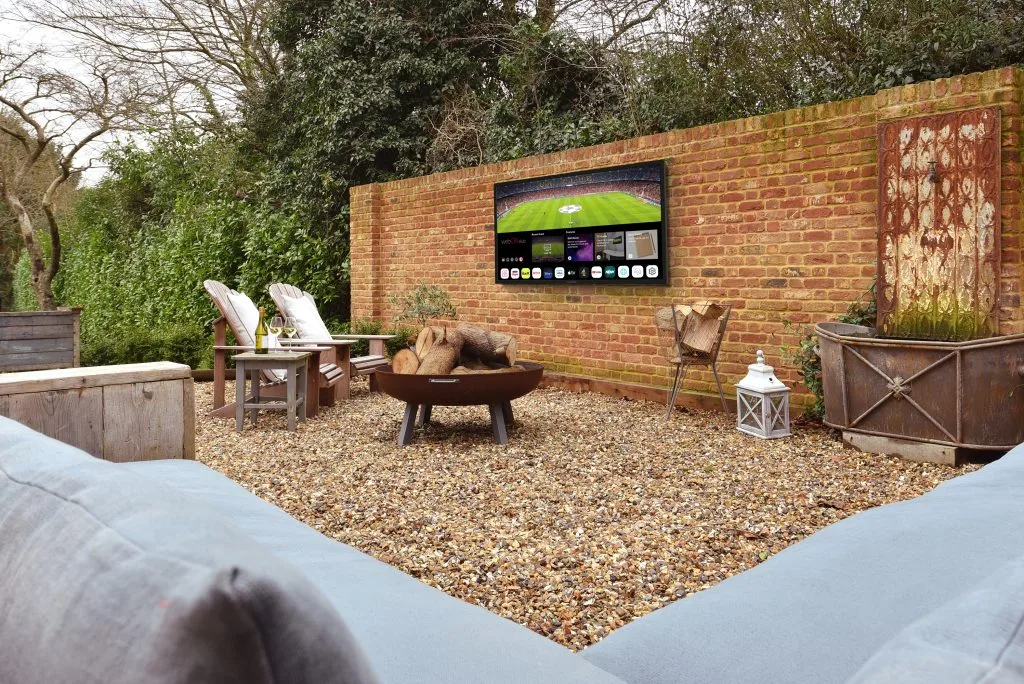
Picture this: it’s a warm Friday evening, and a group of students has gathered on the apartment patio for a movie night under the stars. Someone hooks up a screen, the streaming app loads, and suddenly that cramped dorm room feels like a distant memory. Or maybe you’re the student whose tiny living space barely fits a bed and a desk, let alone a full entertainment setup, and you’re dreaming of a screen that moves wherever life takes you. For today’s students, entertainment isn’t confined to one room or one situation — it spans tailgates, study groups, backyard hangouts, and late-night gaming sessions squeezed into shared spaces.
The challenge is real: students need an entertainment solution that’s affordable enough for a tight budget, compact enough for small living quarters, and tough enough to handle the unpredictability of outdoor use. Finding the best outdoor TV means balancing several competing priorities — screen quality, portability, weather resistance, and cost — without compromising on the experience. In this guide, we’ll break down the essential factors that define the ideal outdoor TV for students, from durability and dual-mode functionality to budget-friendly purchasing strategies, so you can make a confident and informed choice.
Table of Contents
Key Features to Look for in the Best Outdoor TV
When shopping for the best outdoor TV, students need to focus on a handful of features that separate a reliable outdoor screen from one that will disappoint after a few uses. The trifecta of durability, screen performance, and energy efficiency should guide every purchasing decision. A TV destined for patios, balconies, or tailgate setups faces challenges that indoor models simply aren’t built to handle — direct sunlight washing out the picture, sudden rain showers threatening the electronics, and temperature swings that stress internal components. Beyond surviving the elements, the screen needs to deliver a viewing experience worth gathering around, even when the sun hasn’t fully set. Energy efficiency matters too, especially for students relying on extension cords or portable power sources where every watt counts.
Durability and Weather Resistance
The best outdoor TV should carry an IP (Ingress Protection) rating of at least IP55, meaning it can withstand low-pressure water jets and moderate dust exposure. Look for models with sealed enclosures, rust-resistant aluminum or marine-grade frames, and UV-protected screens that won’t degrade under prolonged sun exposure. Tempered glass panels add an extra layer of protection against accidental bumps during transport or setup. For students living in regions with high humidity or frequent rain, corrosion-resistant ports and waterproof speaker grilles are non-negotiable. These construction choices directly translate to longevity — a well-built outdoor TV can last through four years of college without requiring replacement, making the upfront investment worthwhile.
Screen Quality and Viewing Experience
Outdoor viewing demands significantly higher brightness than indoor use. Aim for screens producing at least 700 nits, though models reaching 1,000 nits or more will remain clearly visible even in partial daylight. Anti-glare coatings reduce reflections from ambient light sources, while wide viewing angles ensure everyone in the group can see the action without crowding directly in front of the screen. Resolution matters less at typical outdoor viewing distances, but a 1080p panel remains the practical minimum for streaming content to look sharp. Some models offer adaptive brightness sensors that automatically adjust output based on surrounding light conditions, eliminating the need to fiddle with settings as the sun moves or evening arrives.
Why Portability is Essential: The Role of a Portable TV
Student life is inherently mobile. Between moving apartments each semester, spending weekends at different friends’ places, and hauling gear to tailgates or park hangouts, a stationary entertainment setup simply doesn’t match the rhythm of college living. A portable TV solves this fundamental mismatch by going wherever the gathering happens — from a dorm room desk on a Tuesday night to a rooftop barbecue on Saturday afternoon. The lightweight, compact form factor means you’re never locked into one viewing location, and you don’t need a vehicle or a friend’s help every time you want to relocate your screen. For students splitting time between a campus apartment and a parent’s house during breaks, portability eliminates the need to own multiple devices or leave entertainment behind.
Compact Design for Student Living
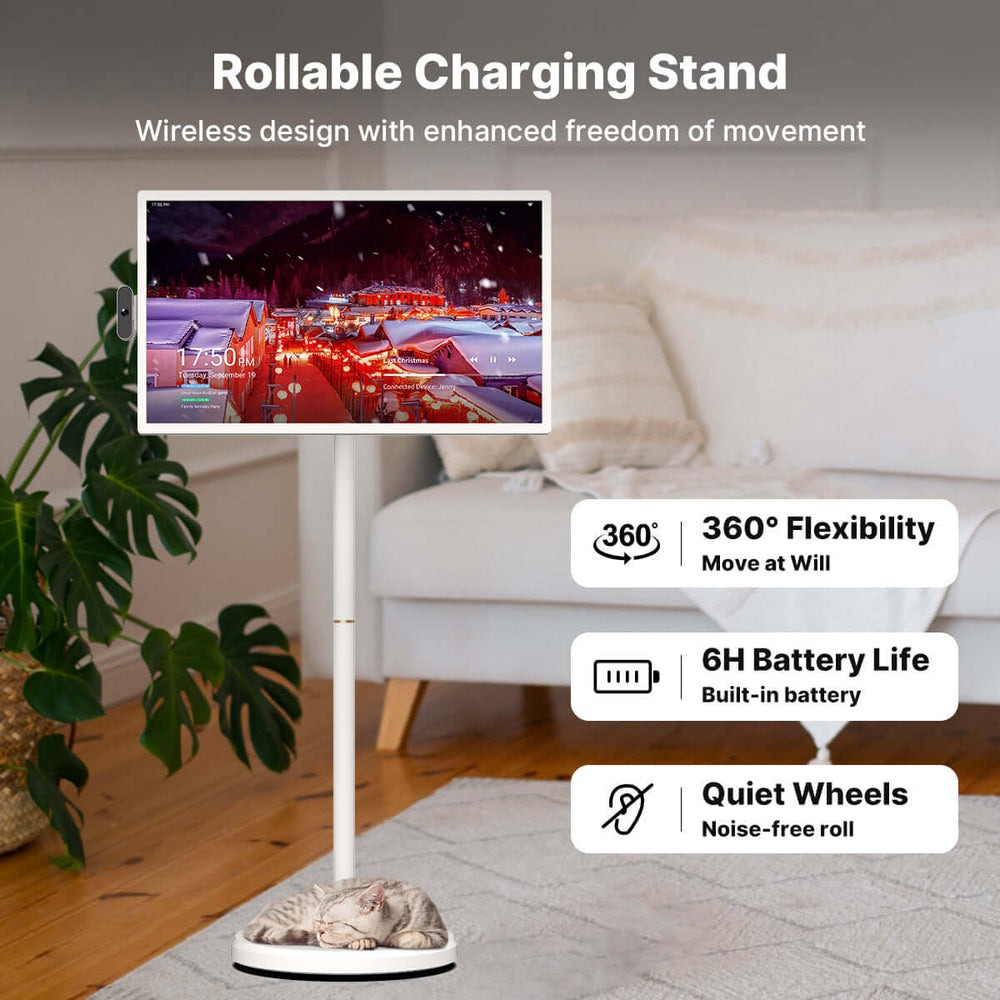
Small living spaces demand small footprints. A portable TV designed for student use typically falls in the 24- to 32-inch range, striking a balance between a watchable screen size and a form factor that tucks into a closet, slides under a bed, or sits on a narrow shelf without dominating the room. Brands like ApoloSign have developed portable TV options specifically with this balance in mind, offering lightweight designs that don’t sacrifice screen quality. Some models feature integrated kickstands that fold completely flat for storage, while others use detachable bases that reduce the packed dimensions even further. In a shared dorm where every square inch is negotiated territory, a screen that disappears when not in use is far more practical than a wall-mounted panel that requires landlord permission and leaves holes behind at move-out. The compact design philosophy also extends to weight — most student-friendly portable TVs stay under 15 pounds, light enough to carry one-handed while managing a door or climbing stairs.
Ease of Transportation and Setup
The best portable TV for students should transition from packed to playing in under two minutes. Built-in carrying handles or included shoulder bags make transport straightforward, even when you’re already juggling a backpack and snacks. Quick-release stands or magnetic mounting systems eliminate the frustration of fumbling with screws and brackets in a parking lot before kickoff. Power flexibility is equally important: models with built-in rechargeable batteries offer true cord-free operation for several hours, while others accept standard USB-C power delivery, meaning a large portable battery bank can keep the screen running at a campsite or park where outlets don’t exist. HDMI and wireless casting compatibility round out the setup experience, letting students connect a laptop, phone, or streaming stick without carrying extra adapters.
Dual Mode Functionality for Versatile Entertainment Solutions
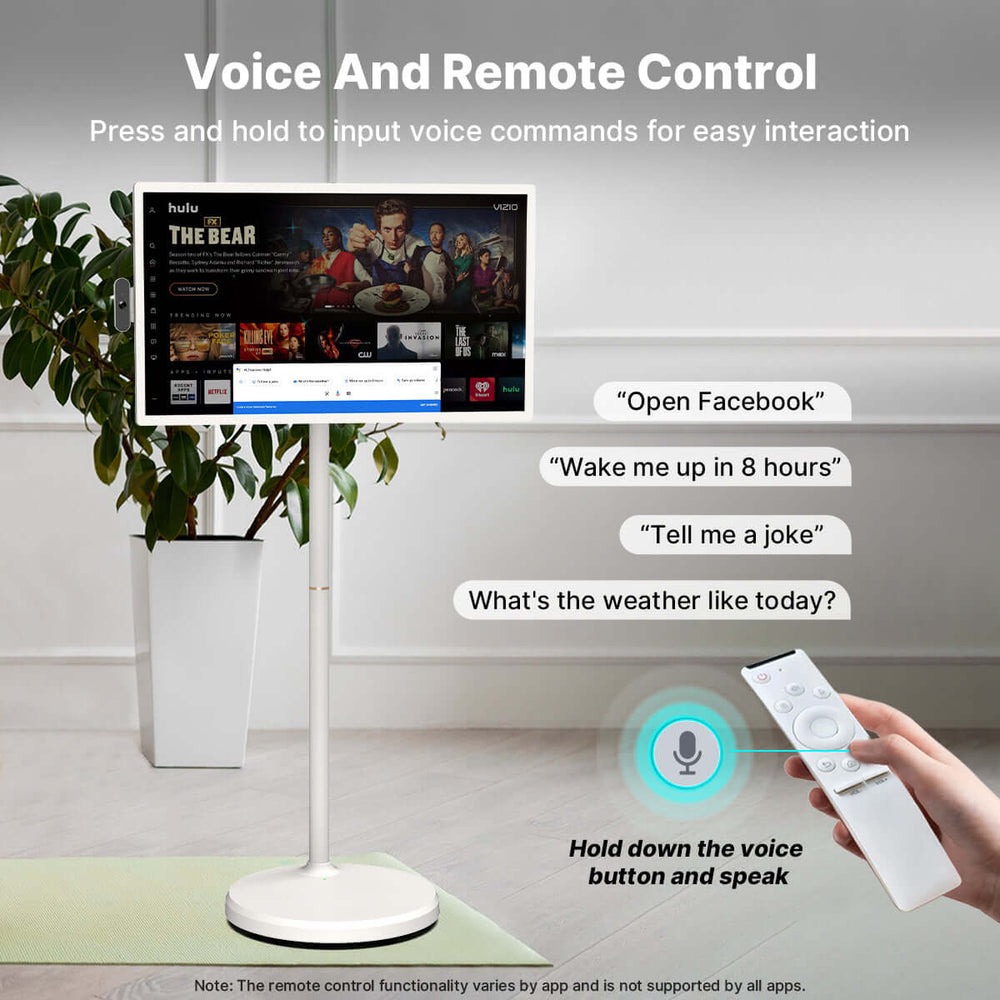
Dual mode refers to a TV’s ability to seamlessly transition between indoor and outdoor use, or to switch between multiple input sources and connectivity options without requiring additional hardware. For students juggling different living situations and social contexts, this flexibility transforms a single device into a complete entertainment solutions hub. Rather than owning a bedroom TV and a separate outdoor screen, a dual mode model serves both roles — functioning as your everyday streaming display inside and converting to a group viewing screen outside with minimal effort. This versatility extends beyond physical placement to encompass how content reaches the screen, whether through Bluetooth audio pairing with a speaker for outdoor movie nights, built-in streaming apps that eliminate the need for extra devices, or low-latency gaming modes that make the same TV pull double duty as a console display.
Benefits of Dual Mode for Student Lifestyles
Consider a typical week: Monday evening you’re streaming a lecture recording at your desk, Wednesday your roommates want to watch a game on the balcony, and Saturday you’re hosting a small outdoor movie night. A dual mode TV handles all three scenarios without compromise. During study breaks, quick access to streaming apps means you can switch from a YouTube tutorial to a relaxation playlist in seconds. For sports events, the ability to cast from a phone while simultaneously outputting audio to a Bluetooth speaker means the whole tailgate crowd stays engaged. Gaming-compatible models with responsive input modes let you connect a console indoors during the week, then bring the same screen outside for a weekend tournament. This adaptability means students invest once and benefit across every social and academic scenario rather than cobbling together separate solutions for each context.
Popular Dual Mode Features in Outdoor TVs
The most useful dual mode features for students include built-in Wi-Fi with preloaded streaming platforms, eliminating the need to carry a separate streaming stick. Multiple HDMI inputs allow a gaming console and a laptop to stay connected simultaneously, reducing cable swapping. Bluetooth 5.0 or newer enables stable audio output to external speakers positioned around an outdoor space, solving the problem of weak built-in TV speakers competing with ambient noise. USB ports support direct media playback from flash drives — handy for presentations or downloaded content when Wi-Fi isn’t available. Some models also include screen mirroring protocols compatible with both iOS and Android, ensuring every guest at a gathering can share content regardless of their phone brand. Ambient light sensors that automatically shift picture profiles between indoor and outdoor presets complete the dual mode experience by removing manual adjustments from the equation entirely.
Affordability and Free Shipping: Budget-Friendly Options for Students
Let’s be honest — most students aren’t working with generous entertainment budgets. Between tuition, textbooks, and rent, every dollar matters, which makes affordability one of the most decisive factors when choosing the best outdoor TV. The good news is that the market has expanded enough that capable outdoor screens now exist at price points that won’t drain a semester’s savings. Equally important is the often-overlooked cost of getting the TV to your door. Shipping fees on bulky electronics can add a surprising surcharge, sometimes negating the savings you found by shopping around. Retailers offering free shipping effectively lower the true purchase price, and for students without vehicles who can’t easily pick up large items in store, doorstep delivery isn’t just convenient — it’s essential. Timing your purchase around back-to-school sales in August, Black Friday deals, or end-of-season clearance events in early fall can shave significant percentages off retail pricing. Many online retailers also offer student verification discounts or exclusive coupon codes through campus email addresses, stacking additional savings on top of already competitive prices.
Finding Cost-Effective Outdoor TV Models
Start your research by identifying which features you genuinely need versus which ones sound impressive but won’t affect your daily use. A student hosting occasional backyard movie nights doesn’t need a commercial-grade 2,500-nit panel designed for restaurant patios — a mid-brightness model with solid weather resistance will perform perfectly at a fraction of the cost. Read user reviews specifically from people using the TV in similar contexts; a five-star rating from a homeowner with a covered lanai tells you less than a four-star review from someone who carried the screen to a tailgate. Focus on brands that have established reputations in the portable and outdoor display space rather than unknown labels offering suspiciously low prices with vague specifications. Prioritize models that bundle useful accessories like protective covers or mounting hardware, since purchasing those separately adds up quickly. Refurbished units from authorized sellers also represent strong value — these TVs undergo quality testing and typically carry warranties while costing 20 to 30 percent less than new equivalents.
Maximizing Savings with Free Shipping Offers
Not all free shipping offers are created equal. Before committing to a purchase, verify whether the retailer’s free shipping policy covers your specific location, since some exclude remote addresses or campus mail centers. Check estimated delivery windows as well — some sellers offer free shipping only through slow ground options that could take two or more weeks, which matters if you’re buying ahead of a specific event. Larger retailers and direct-from-manufacturer stores like ApoloSign tend to provide the most reliable free shipping with tracking and insurance included, protecting you if the package arrives damaged. Watch for minimum purchase thresholds that unlock free shipping; sometimes adding an inexpensive accessory like an HDMI cable pushes your cart past the threshold and actually saves money overall. Signing up for retailer newsletters or downloading their apps often triggers a first-purchase discount code that pairs with existing free shipping promotions, giving students a straightforward way to reduce the total cost without hunting for deals.
Step-by-Step Guide to Choosing and Setting Up Your Outdoor TV
Selecting and installing the best outdoor TV doesn’t need to feel overwhelming. By breaking the process into clear steps — evaluating your space, comparing models against your actual needs, and following smart setup practices — you’ll end up with a reliable entertainment solution that serves you from freshman year through graduation. The key is approaching the decision methodically rather than impulse-buying based on flashy specs you may never use.
Assessing Your Needs and Space Constraints
Begin by mapping out where you’ll actually use the TV most often. Measure your balcony, patio, or outdoor area to determine the maximum screen size that fits comfortably without blocking walkways. Check for nearby power outlets and note their distance from your intended viewing spot — this tells you whether you need a battery-powered portable TV or can rely on a standard plug. Think honestly about how frequently you’ll use the screen outdoors versus indoors; if indoor use dominates, prioritize dual mode functionality over heavy-duty weatherproofing. Consider your typical group size too, since a gathering of eight people needs a larger screen and wider viewing angles than solo use at a desk.
Comparison of Top Outdoor TV Models for Students
When comparing models, create a simple spreadsheet with columns for screen size, brightness (nits), weight, battery life, connectivity options, weather rating, and total cost including shipping. Narrow your list to three or four options that check your must-have boxes, then read student-focused reviews to identify real-world strengths and weaknesses. Prioritize models offering portability and dual mode capability with free shipping from reputable retailers. Eliminate any option that exceeds your budget even after applying available discounts, regardless of how appealing its features appear on paper.
Installation Tips and Maintenance Best Practices
Position your outdoor TV away from direct sprinkler paths and angled so that the afternoon sun doesn’t hit the screen head-on. Use a surge protector for any plugged-in setup to guard against electrical spikes during storms. When not in use, store the TV indoors or cover it with a fitted weatherproof cover — even IP-rated models last longer with reduced exposure. Clean the screen monthly with a microfiber cloth and distilled water, avoiding chemical cleaners that degrade anti-glare coatings. Inspect ports and seals at the start of each semester to catch early signs of wear before they become costly problems.
Finding Your Ideal Outdoor TV as a Student
Choosing the best outdoor TV as a student comes down to balancing a few critical factors that align with how you actually live, socialize, and manage your budget. Durability and weather resistance ensure your investment survives semesters of use across unpredictable conditions, while adequate screen brightness and anti-glare technology guarantee a worthwhile viewing experience whether the sun is up or long gone. Portability transforms your TV from a stationary appliance into a flexible companion that fits the constantly shifting nature of student life — moving between dorms, apartments, tailgates, and study sessions without friction. Dual mode functionality eliminates the need for multiple devices by letting one screen handle everything from solo streaming to group movie nights to gaming tournaments. And affordability paired with free shipping keeps the entire purchase within reach of a student budget, especially when you time your buying around sales events and stack available discounts. Armed with these criteria, you can confidently evaluate your options, invest in a screen that genuinely fits your lifestyle, and spend less time worrying about equipment and more time enjoying the moments that make college memorable.

