
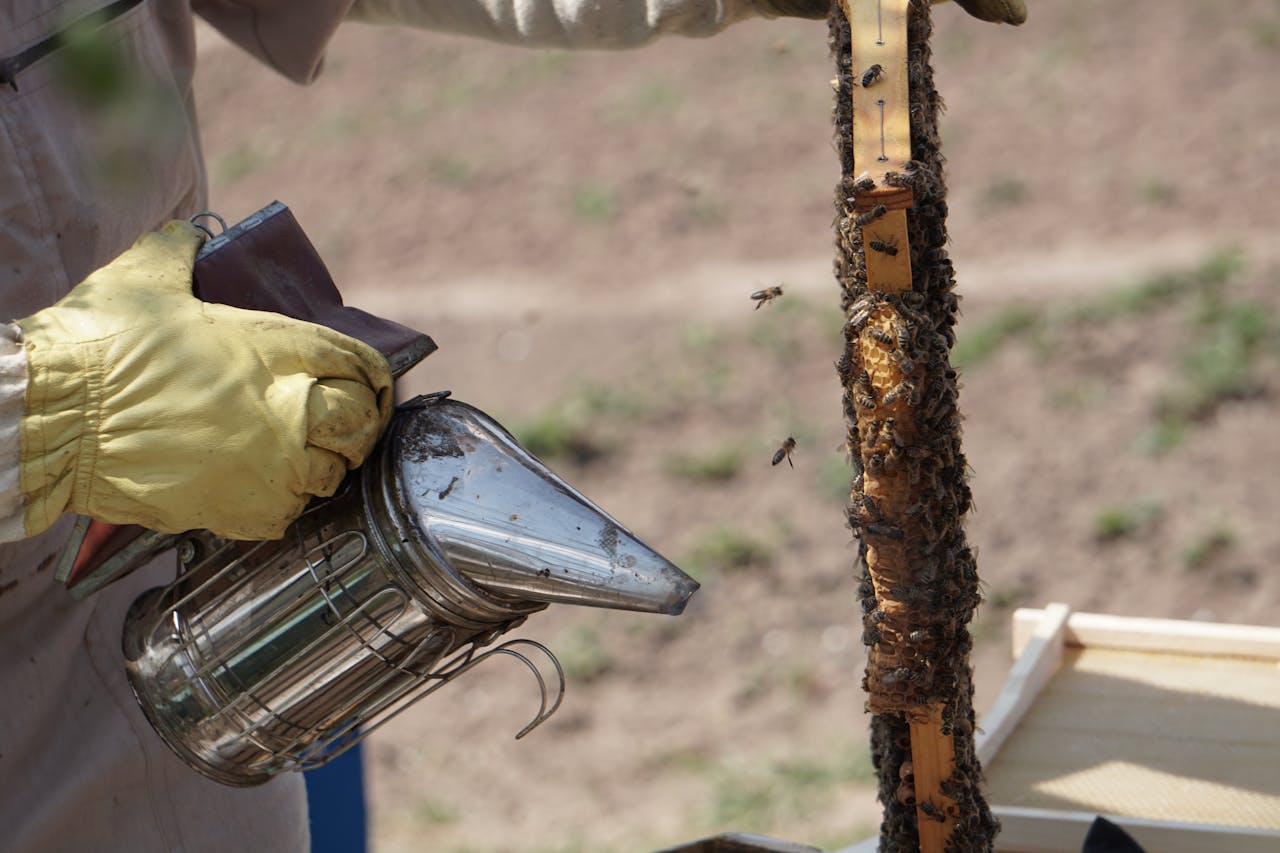
Beekeeping has grown in popularity as people look for sustainable hobbies and alternative income opportunities. Beyond producing honey, beekeeping supports pollination, environmental health, and personal education. It is a pursuit that combines hands-on work with long-term rewards. Many individuals begin beekeeping out of curiosity and continue because of the meaningful benefits it brings. From personal satisfaction to financial potential, beekeeping offers value at multiple levels.
Supporting the Environment and Pollination
One of the greatest benefits of beekeeping is its positive impact on the environment. Honey bees play a vital role in pollinating crops, gardens, and wild plants. Increased pollination improves plant health, food production, and biodiversity. Even a small number of hives can significantly benefit local ecosystems. Beekeeping allows individuals to actively contribute to environmental sustainability.
Producing Natural and Local Honey
Beekeepers gain access to fresh, natural honey directly from their own hives. Local honey is often preferred for its flavor, traceability, and minimal processing. Producing your own honey offers control over quality and harvesting methods. Many beekeepers find satisfaction in knowing exactly where their food comes from. Honey production also creates opportunities for sharing or selling surplus harvests.
Educational and Skill–Building Opportunities
Beekeeping is a continuous learning experience. It deepens understanding of insect behavior, plant life, and seasonal cycles. Beekeepers develop skills in observation, problem solving, and record keeping. Managing hives requires adapting strategies based on conditions and challenges. These skills translate well to other agricultural and entrepreneurial pursuits.
Low Barrier to Entry Compared to Other Livestock
Compared to raising larger livestock, beekeeping requires less space and lower startup costs. Hives can be maintained in rural, suburban, or even some urban environments. Initial investments focus mainly on equipment and bees rather than land or expensive infrastructure. Purchasing reliable honey bee supplies helps ensure long-term durability and safety. This accessibility makes beekeeping appealing to beginners.
Financial Opportunities Beyond Honey
Beekeeping offers multiple potential income streams. In addition to honey, beekeepers can sell beeswax, pollen, propolis, and value-added products. Pollination services provide seasonal income for those working with farms and orchards. Educational workshops and hive sales can further diversify earnings. These options allow beekeepers to scale based on interest and capacity.
Stress Reduction and Personal Fulfillment
Many beekeepers report a sense of calm and focus while working with their hives. Beekeeping encourages mindfulness because it requires patience and gentle movements. Spending time outdoors supports mental well-being and physical activity. Observing hive behavior fosters a deeper appreciation for nature. This balance of effort and reward makes beekeeping personally fulfilling.
Family and Community Engagement
Beekeeping can become a shared activity for families and communities. It offers hands-on learning opportunities for children and encourages environmental awareness. Local beekeeping groups provide support, mentorship, and camaraderie. Community involvement strengthens knowledge sharing and problem solving. Beekeeping often creates strong social connections.
Adaptability and Scalability
Beekeeping can remain a hobby or grow into a business. Hives can be added gradually based on experience and time commitment. Seasonal flexibility allows beekeepers to manage workloads effectively. This adaptability makes beekeeping suitable for different lifestyles. Growth can be intentional and manageable.
Responsible Stewardship of Nature
Pursuing beekeeping fosters a sense of responsibility toward pollinators and the environment. Beekeepers become more aware of pesticide use, habitat preservation, and plant diversity. This awareness often leads to more sustainable practices at home and in the community. Responsible stewardship supports long-term ecological balance. Beekeeping encourages sustainable thinking.
Conclusion
Beekeeping offers a wide range of benefits, from environmental impact to personal satisfaction and financial opportunity. It provides education, community engagement, and a closer connection to nature. The flexibility of beekeeping allows participation at many levels. With patience and proper care, the rewards continue to grow over time. Pursuing beekeeping is both meaningful and practical for those seeking a sustainable path.

