
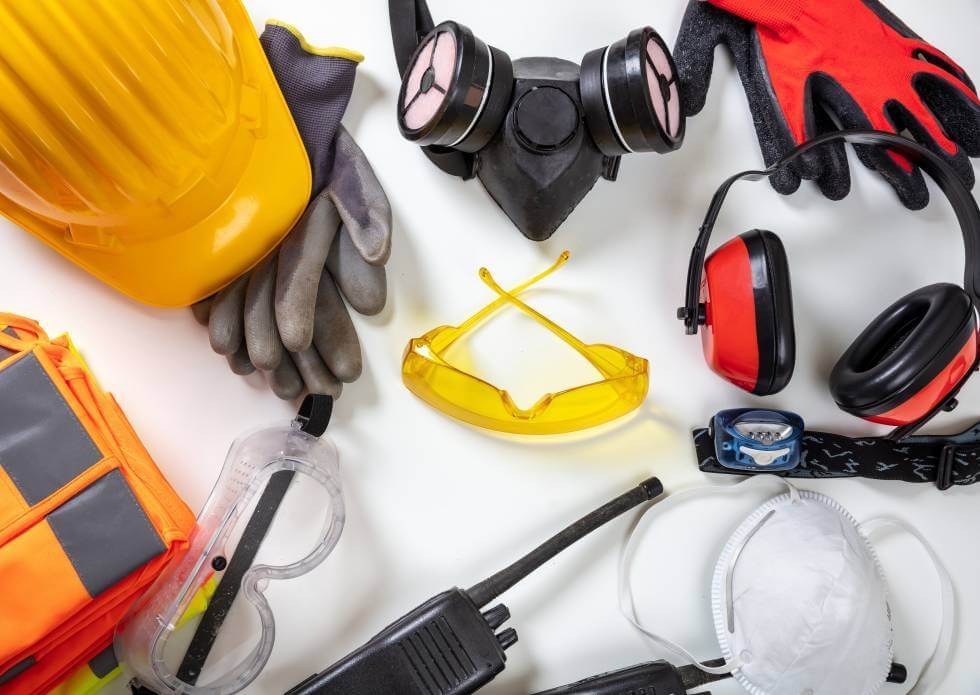
You work in a dangerous place where a single communication failure can cost lives or halt production. Choose radios and systems that are intrinsically safe, rugged, and offer reliable real-time tracking and two-way alerts so you can keep people safe and respond fast.
This article walks you through the safety standards, core technologies like leaky feeders, LTE and mesh networks, how to pick the right devices, and how to tie communication systems into emergency plans so your site stays safe and compliant.
Table of Contents
Critical Safety Standards for Mining Communication Equipment
These rules tell you what certifications, design features, and zone labels matter when choosing radios and other comms gear for mines. They focus on preventing ignition, matching legal standards, and fitting the specific risk level of your work area.
Intrinsically Safe Equipment Requirements
Intrinsically safe devices limit energy so sparks or heat cannot ignite gases or dust. Look for equipment that uses low-energy circuits, certified batteries, and sealed enclosures to prevent dust ingress.
You should check that wiring, connectors, and batteries meet intrinsic safety tests and that the device has clear marking for use in hazardous locations.
Also confirm that maintenance and battery replacement follow manufacturer rules; improper swaps can void intrinsic safety.
Choose models with documented test reports and traceable part numbers so you can prove compliance during inspections.
ATEX, IECEx, and MSHA Certifications
ATEX and IECEx are international schemes showing a device passed explosion-risk testing. ATEX applies in the EU; IECEx is global and focuses on testing consistency.
MSHA enforces U.S. mine safety law and may require MSHA approval or compliance with its guidance for underground equipment.
When you buy gear, check for ATEX/IECEx certificates plus any MSHA letters or approvals.
Keep copies of certificates on site and match the certificate’s rated gas group and temperature class to your mine’s hazards.
Hazardous Zone Classifications: Zone 0, Zone 1, Zone 2
Zone labels describe how often explosive atmospheres appear. Zone 0 means the atmosphere is present continuously or long periods. Zone 1 is likely under normal operation. Zone 2 is unlikely and brief if it occurs.
Buy equipment rated for the highest zone it may face; a Zone 0 rating demands the strictest intrinsic safety design.
Also check dust ratings and whether a device is labeled explosion-proof for confined areas. Using the correct zone rating reduces ignition risk and keeps your team compliant with safety rules.
Core Mining Safety Communication Systems and Technologies
These systems keep workers reachable, track locations, and link underground teams to surface control. You need reliable voice, data, and alarm paths that work in tight tunnels, wet conditions, and around heavy equipment.
Leaky Feeder Systems and Distributed Antenna Systems
Leaky feeder systems use a coaxial cable that radiates radio signals along tunnels so miners’ radios stay connected. You get continuous voice and low-bandwidth data coverage; plan cable routes to cover blind spots near raises and crosscuts.
Distributed antenna systems (DAS) use multiple antennas and amplifiers to extend cellular or digital signals into larger chambers or surface buildings. DAS supports higher data rates for video and phone apps.
Maintain repeaters, moisture seals, and grounding to prevent signal loss and sparks. Test for frequency interference before adding new radios or Wi‑Fi gear.
Two-Way Radios and Mining Radios
Two-way radios are the primary tool for instant crew contact and emergency alerts. Choose intrinsically safe, ruggedized mining radios with long battery life and clear audio under high noise.
Digital systems (e.g., DMR) give better voice clarity, encryption, and GPS tracking. Analog radios work for simple voice only. Stock spare batteries, program channel plans for teams and emergencies, and train crews on radio etiquette.
Wireless Mesh Networks in Underground Communication
Wireless mesh networks use nodes that pass packets hop-by-hop, creating resilient data links when a single path fails. Mesh works well for real-time telemetry, personnel tracking, and transferring small video feeds.
Place nodes every 30–100 meters depending on rock mass and obstructions. Power nodes by battery or wired supply and monitor link health from surface. Expect lower bandwidth than surface Wi‑Fi; optimize for priority messages and alarms.
Centralized and Remote Command Centers
A centralized communications center collects voice, tracking, alarm, and sensor data in one place for fast decisions. Use dispatch consoles that show live locations, radio status, and alarm history.
Remote command centers let supervisors monitor multiple sites and coordinate rescue support. Ensure redundant links between underground networks and the command center using fiber, microwave, or secure VPNs. Train dispatchers on system interfaces and emergency procedures.
Choosing and Maintaining the Right Equipment for Hazardous Environments
You need gear that survives drops, dust, water, and long shifts. Pick radios and wearables that keep working so teams stay connected and safe.
Key Features: Ruggedness, Battery Life, and Environmental Ratings
Choose devices with impact-resistant housings and MIL-STD-810G rating for drops and vibration. Look for IP67 or IP68 ingress protection so dust and water won’t stop your radio underground or in wet weather. Prioritize batteries with 12+ hour real-world battery life for long shifts; swap or hot-swap batteries if operations run 24/7.
Check charging options: multi-unit chargers and rapid chargers save time. Test devices under your site conditions before buy—temperature extremes and dust load change performance. Regular inspection of seals, connectors, and antenna bases prevents failures.
Wearable Devices and Personnel Tracking
Wearables add real-time situational awareness and personnel tracking via GPS or RTLS. Choose rugged tags with IP67/IP68 ratings and 10–14 hour battery life or replaceable batteries for long shifts. Look for automatic man-down and lone-worker alerting that trigger alarms to control rooms and radios.
Ensure integration: trackers should feed into your MOTOTRBO or safety platform for location maps and event logs. Test alert latency and false-trigger rates before deployment to avoid missed alarms.
Integrating Emergency and Safety Protocols with Communication Systems
You need communication that links alarms, tracking, and command centers so alerts reach the right people fast. Focus on reliable delivery, clear roles, and systems that work underground and above ground.
Emergency Communication and Alerting Systems
Design emergency communication around guaranteed delivery. Use multi-channel alerting: wired public address, two-way radios, and wireless mesh networks that keep messages moving if one path fails. Program automated alerts for gas alarms, ground movement, and medical calls so a single trigger notifies the remote command center and onsite responders.
Choose gear that supports mass notification platforms such as Rave or other industrial alert systems, and test end-to-end with live drills. Make sure alerts show location, incident type, and response steps on handhelds and control-room screens. Backup power and hardened radios are a must in hazardous areas.
Real-Time Monitoring for Situational Awareness
Integrate real-time data feeds: personnel tracking, gas sensors, and CCTV. Feed these into your remote command center so you see who’s in the danger zone and what risks are rising. Use dashboards that highlight critical thresholds and send push alerts when values cross set limits.
Link tracking to voice channels so you can call specific workers immediately. Keep data paths redundant — mesh networks plus wired links — so you keep situational awareness during power loss or tunnel damage.
Future-Proofing: Automation and Flexibility
Build systems that can evolve. Pick communication platforms with open APIs and modular hardware so you can add automation, telemetry, or new sensors later. Support for standards lets you swap vendors without ripping out your whole network.
Plan for software updates, scalable alert rules, and flexible routing (voice, text, broadcast). That way your mining communication systems remain resilient, adaptable, and ready for new safety tools.

