
With the increasing popularity of the Everest region, there are several itineraries carefully designed to balance adventure and comfort. Similarly, many travellers have limited time and prefer to reduce unnecessary walking days. However, they do not want to compromise with the core highlights of the classic treks.
Tour operators in Nepal offer packages with shorter durations and added comfort, such as scenic flights instead of regular descent back after reaching the viewpoints. This approach allows travellers to experience key highlights without walking for 2 weeks or more. Therefore, these options are suitable for trekkers who value comfort and efficiency.
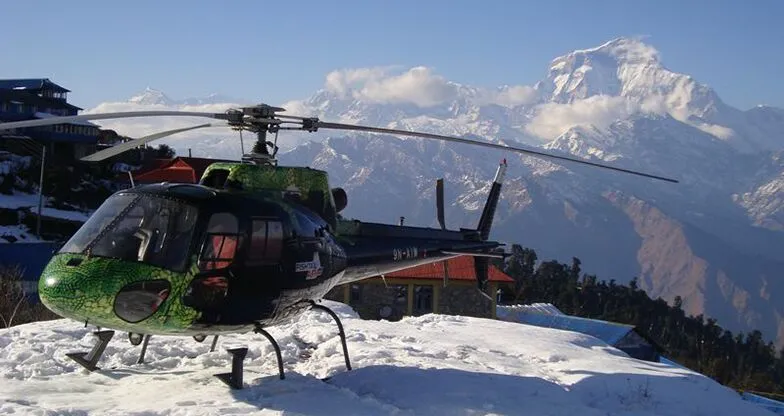
The Everest Base Camp Trek with Helicopter Return is one of the most popular choices. Similarly, some also opt for the guided helicopter tour of the region instead of trekking. They take only a few hours and present breathtaking aerial views of the Khumbu region.
Table of Contents
How To Make The Classic Journey More Comfortable?
Maintain a slow pace
One of the most effective ways to improve comfort is to set an itinerary that allows for gradual altitude gain. Consider your pace, fitness before planning a daily distance while trekking. It is important to incorporate rest days at places like Namche Bazaar and Dingboche to improve physiological adjustments. Similarly, the reduced physical strain also lowers the risk of Acute Mountain Sickness.
Guide And Porter
During high-altitude treks like the Everest Three Pass and Base Camp, they do not just provide comfort but also improve safety. Guides monitor your oxygen level throughout the trek and can notice even the minor signs of altitude discomfort. This offers timely treatment and prevents the symptoms from getting worse. Likewise, they have expert trail navigation skills and are familiar with alternate routes that come in handy during trail blockages due to unforeseen circumstances.
Porters carry your heavy luggage through the uneven and rugged trails, which allows you to enjoy the trek and soak in the views. Furthermore, it also reduces the physical strain, which maintains the energy level for a longer time. They, as a team, take you to the lower elevation during mild AMS and manage emergency helicopter evacuation during more severe cases.
Food And Hydration
While trekking, your body needs energy to repair and walk continuously for almost two weeks. For this, trekkers should consume freshly cooked and carb-rich meals. It is better to stick to the staple teahouse dish, dal bhat tarkari (rice, lentil soup, veggies, and pickles). Likewise, your body loses fluid faster in cold temperatures compared to normal environmental conditions. So, drink enough water, carry your own bottle and purification tablets and refill them at the teahouses. Even though dehydration does not cause or trigger AMS, it can amplify the symptoms. Additionally, it causes headache and dizziness, masking the earliest signs of altitude discomfort.
Helicopter Return
Most of the tour operators happily offer package customization as per your needs. So, you can request them to end the trek with helicopter return instead of trekking back (if possible). As you have already walked up to the viewpoint, retracing your way downhill is just adding physical strain. Therefore, a helicopter return makes the journey safer, shorter, and more comfortable.
Upgrade Accommodation Where Possible
With growing popularity, the Everest region is well-commercialized. So, trekkers can find several high-end lodges and hotels that offer upgraded amenities. Especially in lower and mid region villages, like Namche Bazaar, teahouses offer a private room (a few), an attached bathroom, and a heater. Similarly, sound sleep provides proper rest to your body and prepares you for the next day’s trek.
Choosing The Right Everest Package
Fitness level
Before deciding on the trek, it is important to carefully assess your physical ability and stamina. Most of the Everest journeys are moderate to strenuous and require long daily walks through vivid terrains. They are suitable for trekkers with good physical and mental fitness. On the other hand, short luxury-focused journeys are more ideal for travellers with medical conditions that restrict them from walking for long hours, such as asthma.
Schedule
Classic Everest treks generally require 12 to 14 days, which is not convenient for travellers with a limited time frame. They should opt for efficient Everest trek packages that shorten the itinerary without compromising safety and views. The classic journeys combine with a helicopter return saves atleast 4 to 6 days. Likewise, trekkers seeking the most time-saving options should go for a guided helicopter tour of the region that takes just a few hours. Furthermore, it removes the physical strain completely, making it ideal for older citizens as well.
Budget
Cost of Everest trekking packages differs widely based on comfort and experiences. Standard treks are more affordable as they offer teahouse accommodation and simple meals while on the trail. Given the high-end services and helicopter return, the luxury packages are more expensive. Therefore, the classic Everest treks with basic facilities are more suitable for budget-friendly travelers, and luxury experiences are for those who value their comfort and safety.
Adventure
Experienced trekkers looking to challenge themselves should stick to the remote journeys, like the Everest Three High Pass Trek. It offers an authentic himalayan experience and passes through isolated villages via rugged terrains. Furthermore, crossing the Kongma La, Cho La, and Renjo La passes adds thrill to the journey. However, these choices are not ideal for first-time trekkers. They should hire a licensed guide who is familiar with the region and a porter for their comfort and safety.

