
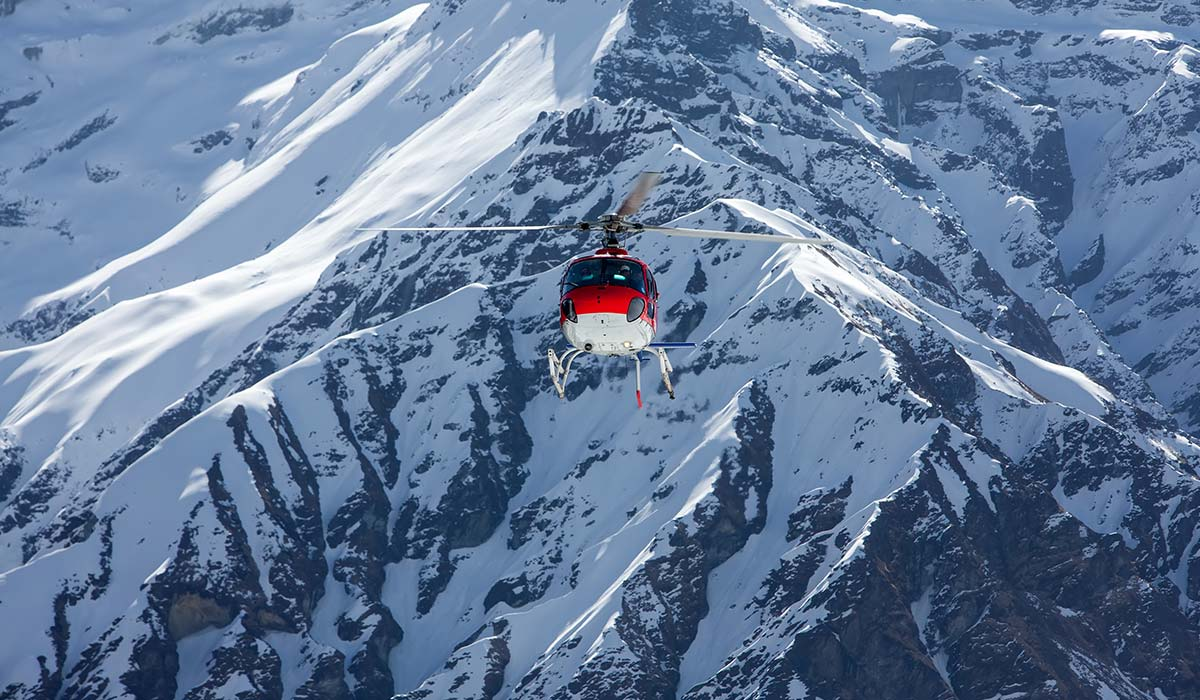
More trekkers are starting to look beyond Everest — but not for the reasons you might expect.
For years, Everest has been the trek people talk about first. It’s the one that comes up in conversations, on bucket lists, and across travel blogs — and for good reason. The route to Everest Base Camp offers dramatic views, a clear goal, and a trekking system that makes the journey relatively straightforward, even for first-time visitors to the Himalayas.
But the experience isn’t quite what it used to be. In peak seasons, the trail gets busy — sometimes uncomfortably so. You will often find yourself walking in a line of trekkers, moving between packed teahouses, with little of the isolation people once associated with the region. For some, that doesn’t take away from the achievement. For others, it changes the entire feel of the journey.
That’s where the shift is happening. There’s a different kind of appeal in lesser-known trails, where the pace slows down, villages feel less shaped by tourism, and the landscape isn’t shared with hundreds of others on the same day.
Table of Contents
Manaslu: A Remote Alternative with Depth
If Everest feels too crowded, Manaslu is often the next name that comes up — and for good reason. It offers a similar scale of landscape, but with far fewer people on the trail. The Manaslu Circuit trek follows a route around Mount Manaslu, the world’s eighth-highest peak, gradually shifting from low, forested valleys to high alpine terrain.
What stands out here isn’t just the scenery, but the sense of distance from everything else. Because the region falls under restricted access, the number of trekkers is still controlled. You notice it immediately — quieter trails, less movement between villages, and a pace that doesn’t feel rushed.
Up in places like the Nubri Valley, the cultural presence is strong and intact. Monasteries, mani walls, and prayer flags aren’t there for show; they are simply part of everyday life.
The trek itself isn’t easy, but that’s part of what makes it memorable. The crossing of Larkya La Pass, at over 5,100 meters, is the key point of the route, both physically and visually. The views open up, and the scale of the landscape really settles in.
Compared to Everest, where everything is more built up, Manaslu still asks you to be a bit more prepared and flexible. That extra effort changes the experience — it feels less managed and more real.
Tsum Valley: Culture Over Crowds
Tsum Valley is located just off the main Manaslu Circuit trek route, but it feels like a completely different world. Fewer people make the detour, which is exactly why it still holds on to a sense of quiet that’s getting harder to find elsewhere. Opened to trekkers only in 2008, it hasn’t seen the same level of traffic as other regions.
The draw here isn’t dramatic mountain passes or big summit views — it’s the culture. Villages are spread out, life moves slowly, and traditions feel intact rather than adapted for visitors. Places like Mu Gompa aren’t just landmarks on a map; they are still active spaces tied to everyday life in the valley.
The landscape is gentler compared to the higher sections of Manaslu, but that’s not really the point of this trek. Tsum is less about pushing through terrain and more about spending time in a place that hasn’t changed all that much. It’s quieter, more reflective, and for many, more meaningful because of it.
Kanchenjunga Base Camp: True Remoteness
Far to the east, Kanchenjunga Base Camp is where the idea of ‘remote trekking’ starts to feel real. Getting there takes effort — more planning, more time, and a bit more patience — but that’s exactly why so few people go. Compared to Everest or even Manaslu, the number of trekkers here is minimal.
The journey itself is long and not always straightforward. It usually involves a mix of flights, rough road travel, and extended days on foot. But once you are on the trail, the sense of space is hard to miss.
You move through changing landscapes — dense forests, high ridges, and eventually glacial terrain — without constantly crossing paths with other groups. The Kanchenjunga Base Camp trail feels less like a popular route and more like your own.
Upper Dolpo: A Different Himalayan Landscape
Head to western Nepal, and the landscape shifts completely. Upper Dolpo doesn’t look like the green, forested Himalayas most people imagine. It’s drier, more open, and shaped by wind and altitude rather than monsoon rains.
The region gained wider attention through the snow leopard, but even now, it remains one of the least-visited parts of Nepal.
Treks here are less about following established teahouse routes and more about committing to the journey. Camping might be necessary, and logistics take more effort. Places like Shey Phoksundo Lake stand out — not just for their color, but for how isolated they feel. The entire region carries a sense of distance, both physical and cultural, that you don’t really get elsewhere.
Why These Alternatives Matter
Choosing to trek beyond Everest isn’t just about avoiding crowds. It also means experiencing slower experiences — ones that allow for real interaction with places and people. So, these hidden treks are for those who do not want to move quickly through a well-worn route.
Regions like Manaslu, Tsum Valley, and Kanchenjunga fit into that shift. The experience feels less structured, less shaped by expectation. At the same time, trekking in these areas spreads tourism more evenly, which can make a difference for communities that don’t see the same volume of visitors as Everest.
The Limits of Popular Trails
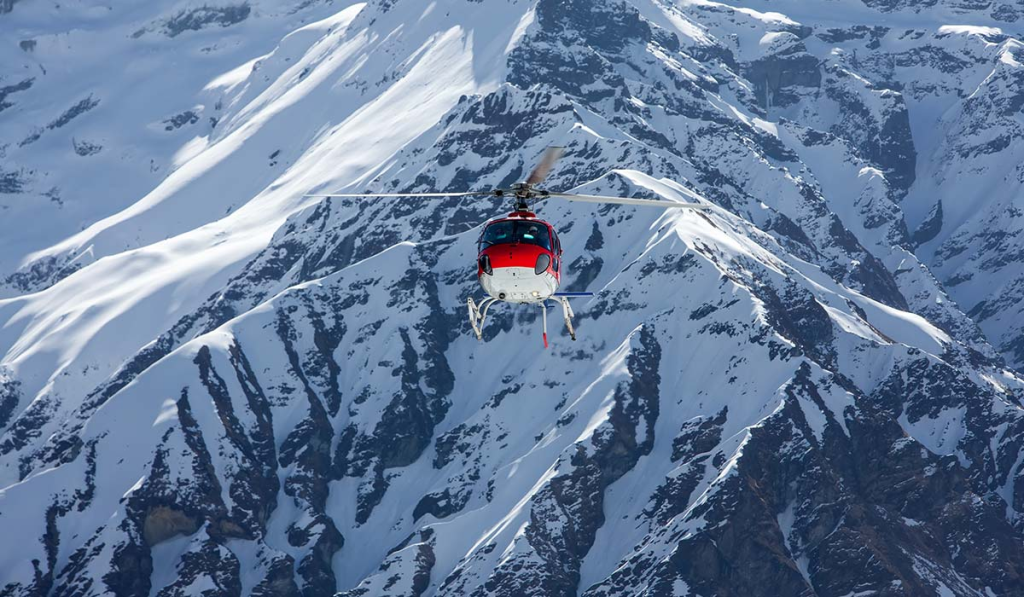
Over the past two decades, the Everest region — especially around the Khumbu — has changed dramatically. The roads have become better. There is an availability of more flights, and with ease. In addition, Everest Base Camp helicopter tours have made the area accessible to people who don’t have the time or energy for a full trek.
While this convenience has many perks, it also comes with some downsides. They include the crowded trails and teahouses. Likewise, many villages have taken on a more commercialized feel, depriving you of an opportunity to experience the authentic local culture.
For travelers who value quiet and a slower pace, this can be frustrating. The hustle of busy trails, crowded lodges, and rising prices has led many to ask whether Everest still delivers the kind of experience they are seeking.
The Himalayas of Nepal have no shortage of these routes — you just have to look past the obvious ones. Below is a selection of hidden Himalayan treks beyond Everest that are worth exploring.
Final Thoughts
Everest isn’t going anywhere — and for many, it still means something to stand at its base. But it’s no longer the only way to experience the Himalayas, and for some, it’s not even the most interesting one.
There are still trails in Nepal where the pace is slower, the crowds are thinner, and the experience feels more personal. Manaslu is one of them, but it’s not the only one. If you are willing to look a little further, the Himalayas open up in ways that Everest alone can’t offer.

