
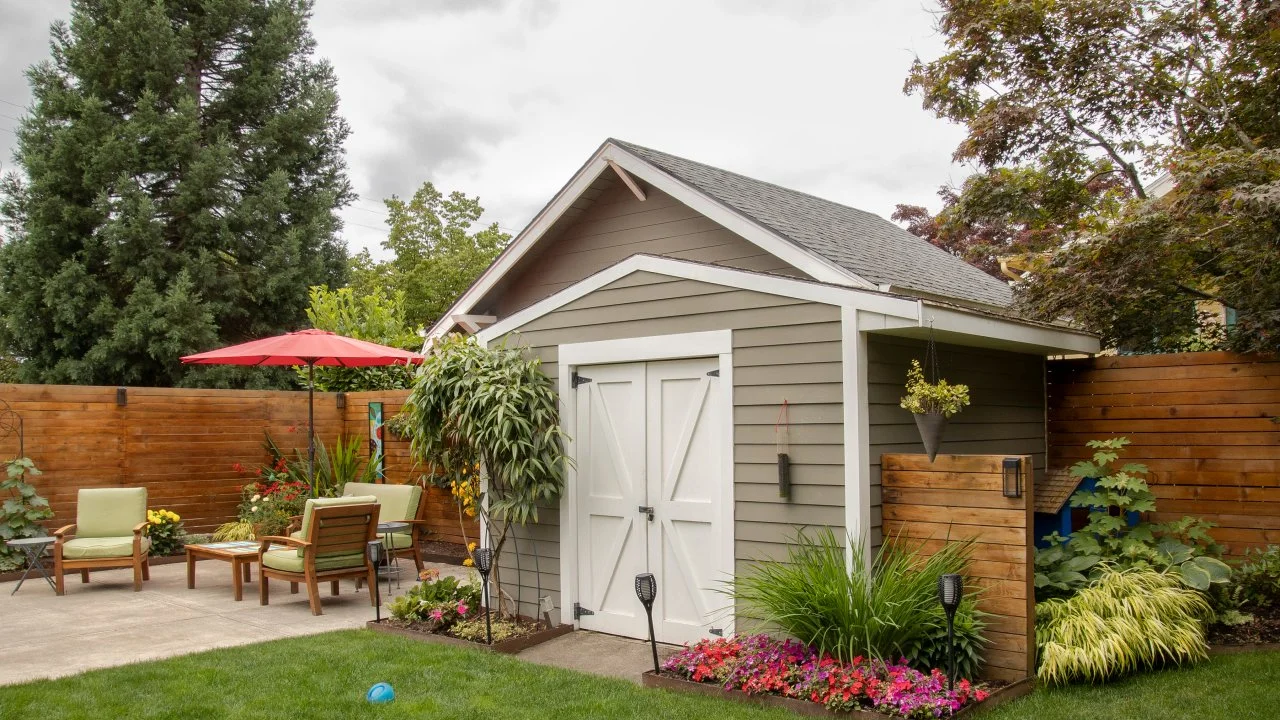
When it comes to maximizing your outdoor space, a backyard shed is often an overlooked solution. Beyond serving as storage for garden tools or seasonal décor, today’s sheds can serve multiple purposes, from functional workshops to stylish retreats. With so many styles, sizes, and layouts available, finding the right shed for your yard doesn’t have to be complicated.
In this guide, we’ll explore different backyard shed types, compare small utility sheds with larger multi-purpose structures, and provide tips to help you choose a shed that fits your needs and complements your property.
Table of Contents
Understanding Different Types of Backyard Sheds
Before diving into specific designs, it’s essential to understand the types of sheds available. Each style serves different purposes and suits different yard spaces.
1. Utility Sheds
Utility sheds are compact, practical, and primarily designed for storage. They are ideal for homeowners who need to store tools, gardening equipment, bicycles, or other household items. Typically ranging from 6×6 feet to 10×12 feet, these sheds make the most of limited yard space.
Pros:
- Affordable and space-efficient
- Easy to assemble and maintain
- Available in a range of materials like wood, metal, and resin
Cons:
- Limited interior space
- Not ideal for multi-purpose use
2. Multi-Purpose Sheds
Multi-purpose sheds are larger structures that can accommodate more than just storage. These sheds are often used as workshops, studios, or even mini offices. They typically start around 10×12 feet and can be expanded to 12×24 feet or more, depending on your needs.
Pros:
- Flexible functionality beyond storage
- Can include windows, skylights, or lofts for additional usability
- Adds aesthetic value to your backyard
Cons:
- Higher cost than utility sheds
- Requires more yard space
3. Lean-To Sheds
These are excellent for homeowners who want extra storage without taking up additional yard space.
Pros:
- Efficient use of existing structures
- Cost-effective
- Provides easy access to stored items
Cons:
- Limited design options
- Requires proximity to another building
4. Cabin-Style Sheds
Cabin-style sheds offer a rustic, visually appealing design. They can be used as storage or as a mini guest house, garden office, or hobby space. Their vertical walls and gabled roofs allow for more storage and functional options inside.
Pros:
- Attractive and versatile
- More headroom for taller items
- Can include lofts or second floors
Cons:
- More expensive
- Requires regular maintenance if made of wood
Choosing the Right Size and Layout
Selecting a shed goes beyond style; size and layout are crucial. Consider these factors:
- Available Yard Space: Measure your backyard carefully, factoring in access and clearance around the shed.
- Intended Use: Is it strictly for storage, or will it double as a workspace or studio?
- Accessibility: Ensure there’s easy access for larger tools or equipment. Sliding doors or double doors often make entry and exit simpler.
- Interior Organization: Shelving, hooks, and pegboards can maximize storage efficiency.
A helpful approach is to compare the space you need with the footprint of potential sheds. For example, if you plan to store lawn equipment plus a workbench, a 10×12 shed may be ideal.
Materials Matter
The material you choose impacts durability, maintenance, and aesthetics. Common shed materials include:
- Wood: Classic appearance, customizable, but requires upkeep like painting or staining.
- Metal: Durable and low maintenance, though prone to dents and rust over time.
- Resin/Plastic: Lightweight, weather-resistant, and easy to assemble, though less customizable.
Choosing the right material ensures your shed withstands local weather conditions and meets your long-term storage needs.
Styling Your Shed to Complement Your Yard
While function is critical, appearance shouldn’t be ignored. Consider these tips:
- Match the shed color and materials with your home or fence.
- Use landscaping to integrate the shed naturally into your backyard.
- Add decorative touches like flower boxes, shutters, or trim.
- For multi-purpose sheds, consider windows or skylights for natural light.
A well-styled shed can enhance your yard’s overall appeal while serving a practical purpose.
Exploring Modern Backyard Storage Shed Options
If you’re looking for inspiration, a wide range of backyard storage shed options exists to suit any budget and design preference. From compact utility sheds to expansive multi-functional structures, these options provide solutions for storage challenges while also improving the aesthetics of your backyard. Before making a final decision, research different layouts, consider your storage needs, and assess how each shed style would fit into your outdoor space.
Mistakes to Avoid When Buying a Shed
Even minor missteps can lead to regrets down the road. Avoid these common mistakes:
- Buying Too Small: Measure carefully and plan for future storage needs.
- Neglecting Local Regulations: Check building codes, permits, and HOA rules.
- Ignoring Foundation Needs: A shed needs a solid base to prevent warping or water damage.
- Skipping Ventilation: Proper airflow prevents mold and prolongs shed life.
Final Thoughts
Investing in the right backyard shed can transform your outdoor space. Whether you prioritize compact utility, multi-purpose functionality, or aesthetic appeal, the key is to align your choice with your yard size, storage goals, and personal style.
A well-planned shed not only organizes your tools and belongings but can also become a charming backyard feature that adds value and convenience for years to come.

