
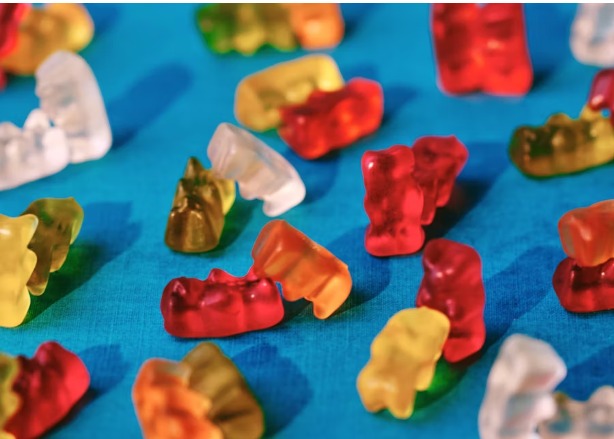
Haribo Gummy Bears trace their origins to Germany in the 1920s, created by confectioner Hans Riegel in Bonn. These chewy, fruit-flavoured sweets quickly became popular due to their unique texture, bright colours, and playful shapes. Over the decades, they have expanded globally, becoming a favourite snack and a nostalgic delight for generations.
Discover what makes Haribo Gummy Bears beloved worldwide. This guide highlights their unique taste, cultural impact, production quality, and insights into safe consumption, giving readers a look at both the fun and care behind these iconic candies.
Table of Contents
A Sweet Journey: Haribo Gummy Bears
Haribo Gummy Bears stand out for their blend of taste, texture, and visual appeal. Each gummy delivers a chewy bite infused with fruity flavours that range from tangy raspberry to sweet pineapple. The combination of flavour variety and texture creates a sensory experience that has endured for nearly a century.
Over time, these candies have become more than just a snack. They evoke memories, connect people through shared enjoyment, and appear in celebrations, gift packs, and special events. Their enduring appeal reflects a combination of consistent quality, playful design, and the ability to satisfy both children and adults alike.
Taste and Texture
The flavour of Haribo Gummy Bears remains unmatched because of the precise balance of ingredients. Each gummy blends sugar, fruit extracts, and gelatin to achieve a consistency that is soft, chewy, and slightly springy. The fruity essence is carefully calibrated to avoid overpowering sweetness while offering a satisfying burst of flavor with every bite.
Many candy lovers are drawn to Haribo not only for taste but also for the playful shapes. The bear design has become symbolic, creating a sense of enjoyment before the first bite. This design contributes to their popularity, making the candies appealing for casual snacking, sharing at gatherings, or using in creative dessert recipes.
Occasional Indulgence and Mood
While Haribo Gummy Bears are primarily a sweet treat, enjoying them occasionally can lift spirits and provide a moment of delight. Sharing a bag with friends or family adds a social dimension, creating opportunities for connection. The act of enjoying a favourite candy can trigger positive emotional responses, contributing to minor boosts in mood and relaxation during daily routines.
Quality and Production
Haribo maintains high standards of quality through careful ingredient selection and consistent manufacturing practices. Only premium fruit extracts and natural flavourings are used, ensuring that the gummies maintain their distinct taste and aroma. Production involves precise control of temperature, humidity, and timing to achieve the signature chewy texture.
The company employs stringent quality checks at multiple stages, from ingredient sourcing to packaging. Staff training and standardised procedures guarantee that each batch of gummies meets the brand’s expectations. This dedication to quality has reinforced Haribo’s reputation as a trusted confectionery brand across multiple markets.
Global Popularity and Reviews
Celebrity endorsements, social media exposure, and positive reviews have helped Haribo Gummy Bears maintain global appeal. Public figures and influencers often highlight them in posts or features, which encourages curiosity and consumer interest. Reviews frequently mention the candies’ nostalgic qualities, flavour variety, and consistent texture as reasons for continued loyalty.
The product’s success across countries demonstrates the universal appeal of simple, well-made candy. While Haribo originated in Germany, its production now spans several regions to meet international demand, ensuring that local markets enjoy the same taste and quality associated with the original recipe.
Safety and Consumption
Haribo Gummy Bears are generally safe for most consumers when eaten in moderation. Overconsumption of sugary snacks can lead to digestive discomfort or increased calorie intake, so portion control is advised. Some individuals may be sensitive to certain additives or colours, so reviewing ingredient labels is recommended for those with dietary restrictions.
The taste experience varies slightly in different countries, largely due to variations in ingredient sourcing and food regulations. For example, gummies produced in Germany often use fewer artificial additives and emphasise natural flavours, contributing to a more authentic taste experience compared with some international variants.
Fun Shapes and Versatile Uses
Haribo’s signature gummy bear shape is both fun and functional. Beyond snacking, these gummies are often used in baking, decorating desserts, or adding colour to party treats. Creative presentations include using them as toppings on cupcakes, mixing them into ice cream, or arranging them in candy platters for events. The combination of colour, shape, and texture enhances visual appeal while retaining flavour.
In addition to the classic gummy bears, Haribo produces a range of other candies, including gummy worms, goldbears with assorted fruit flavours, and seasonal editions, giving consumers a variety of options to enjoy.
Conclusion
Haribo Gummy Bears provide a playful, flavorful, and enduring candy experience. Their chewy texture, fruity flavours, and iconic bear shapes combine to deliver enjoyment for all ages. Careful production, premium ingredients, and attention to quality ensure that each gummy lives up to the brand’s reputation. From casual snacking to creative culinary uses, these candies offer a small moment of joy in everyday life. Moderation and awareness of personal dietary needs help maintain the fun without negative side effects. For anyone seeking a classic sweet treat with a rich history and delightful taste, Haribo Gummy Bears remain an outstanding choice.

