
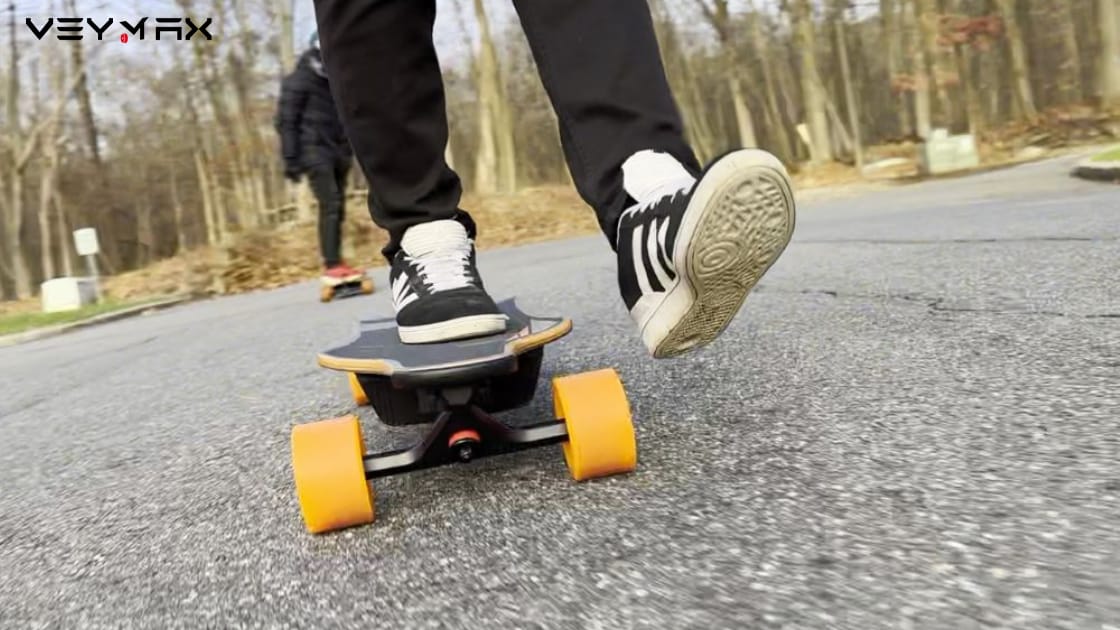
Electric skateboards combine speed, technology, and thrill into one compact ride, revolutionizing personal transportation. Riders today are more interested in performance, especially speed, from urban commuting to weekend thrill-seeking. This tutorial answers your questions about electric skateboard speeds, what makes one board quicker, and how to choose the fastest electric longboard for your riding style.
VEYMAX riders will benefit from this blog’s practical ideas and fresh viewpoints on speed, control, and real-world riding performance.
Table of Contents
1. Introduction to Fast Electric Skateboards
2. What Is a Fast Electric Skateboard?
3. How Fast Do Electric Skateboards Go in Real Life?
4. Key Components That Influence Speed
5. Types of Electric Skateboards and Their Speed Capabilities
6. Riding Conditions That Impact Speed
7. Beginner vs Advanced Speed Expectations
8. Safety Considerations When Riding Fast
9. Choosing the Fastest Electric Longboard for Your Needs
10. The Future of High-Speed Electric Skateboarding
11. Conclusion
Introducing Fast Electric Skateboards
Due to advances in motor efficiency and battery technology, electric skateboards are now powerful machines with astonishing speeds. Riders expect smooth acceleration, steady high-speed cruising, and snappy braking on a streamlined board.
Fast electric skateboards are thrilling and efficient. Shorter commutes, greater hill-climbing, and more dynamic riding result from faster boards.
What is a Fast Electric Skateboard?
A fast electric skateboard has a high top speed, acceleration, and stability at high speeds. Gravity or leg power power classic skateboards, but motors and batteries increase speed limitations beyond human capabilities.
Speedboards frequently have:
- Motors with high output
- Speed controls using advanced electronics
- Battery systems with high voltage
- Stability with wider decks and longer wheelbases
These features provide a powerful, controlled ride.
How fast are real-life electric skateboards?
Riders often inquire how fast electric skateboards go beyond marketing claims. Most current electric skateboards cruise 18–28 mph in real life. Performance-oriented versions can exceed that range under ideal conditions.
Speed is more than the maximum numbers. Real-world speed depends on terrain, rider weight, wind resistance, and posture. Different riders can make the same board feel very different.
Factors Affecting Speed: Motor Power
Speed comes from motors. High-wattage motors have more torque and top-end performance. Dual-motor setups accelerate faster and climb better than single-motor ones.
Battery Efficiency and Voltage
Speed and voltage are linked. Higher-voltage battery systems power motors faster and at higher speeds. Battery health matters—low charge levels hinder speed.
ESC controls speed
The skateboard’s brain, the ESC, controls the power supply. An ESC calibrated properly ensures smooth acceleration at high speeds without jerks.
Electric Skateboard Types and Speeds
Not all electric skateboards are fast.
Short Boards: Compact, portable, yet sluggish due to smaller motors and wheels.
Cruiser Boards: Comfortable, moderate speed
Longboards: Fastest electric longboards due to stability, larger wheels, and strong drivetrains.
Speed riders choose longboards because they stay in control when riding rapidly.
Riding Conditions Affecting Speed
Even the quickest board might feel slow in bad weather. Important environmental factors:
Terrain: Speeds are higher on smooth asphalt than on gravel or pavement.
Incline: Downhill biking boosts top speed, while uphill biking diminishes it.
Wind Resistance: Cruise speed is greatly reduced by headwinds.
Temperature: Battery efficiency may suffer in cold conditions.
Understanding these aspects helps riders ride intelligently and manage expectations.
Speed Expectations for Beginners vs. Advanced
Starting speeds are usually 10–15 mph for new riders. This range lets riders focus on balance, braking, and turning without stress.
Riders Intermediate
Riders experience the full potential of a fast electric skateboard while keeping control at 18–25 mph once comfortable.
Advanced Riders
Experienced riders with safety gear and expertise can go faster. Precision, stance, and reaction speed are as critical as board characteristics at this level.
Fast-Riding Safety
Speed increases risk and thrill. Safely riding a fast electric skateboard needs planning.
Key safety measures are:
- Always wear a certified helmet
- Wearing knee, elbow, and wrist protectors
- Emergency braking practice
- To lessen wind drag, stand low and balanced.
- Regularly checking the board wear and tear
- Skill, equipment, and awareness make high-speed riding safe.
Choosing Your Fastest Electric Longboard
Finding the fastest electric longboard requires more than speed. Try to balance performance and usability.
Important factors:
- Stability deck length and flexibility
- Wheel size for smoother high-speed cruising
- Torque/acceleration motor configuration
- High-speed braking
A well-designed longboard goes fast without losing confidence.
High-Speed Electric Skateboarding Future
Technology should make electric skateboards quicker, smarter, and safer. Increased battery density, motor efficiency, and materials will boost performance while maintaining rider control.
Future designs may include improved braking systems, riding modes, and power delivery to make high-speed driving safer.
Conclusion
Electric skateboards—how fast? The answer depends on the rider, design, and components. Performance boards can go faster than 18–28 mph under certain conditions.
Finding the fastest electric skateboard or longboard for your skill level, terrain, and riding goals is more important than numbers. Electric skateboarding is exhilarating every time you walk on the deck when speed, stability, and safety are balanced.
Ride carefully, remain safe, and enjoy speed responsibly.

