
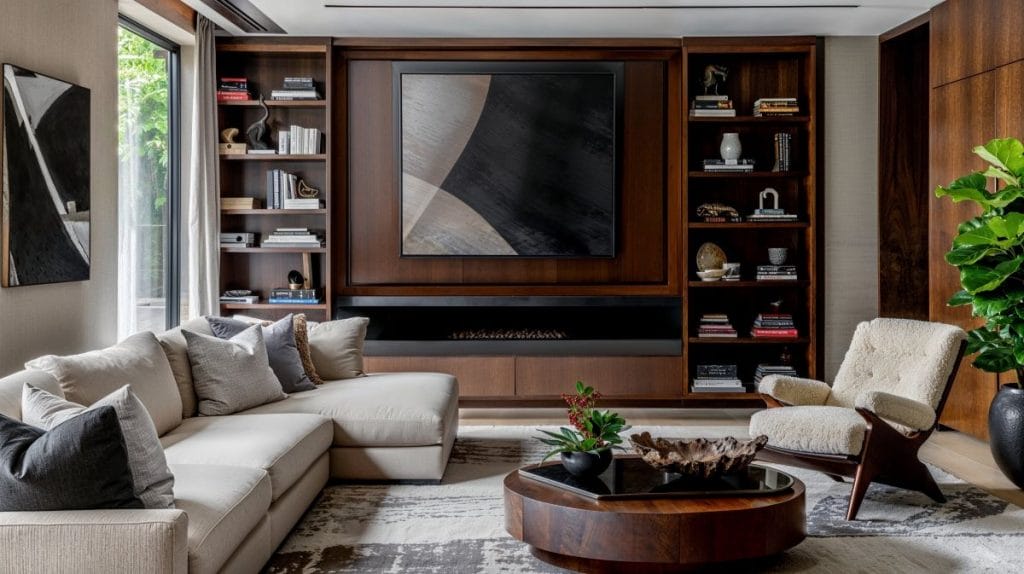
Luxury living today is defined less by extravagance and more by intention. Homeowners are no longer looking for spaces that impress only at first glance. They want residences that support how they live, work, rest, and evolve over time. True luxury feels calm, considered, and deeply personal.
As cities grow denser and lifestyles become more demanding, the value of a well-designed home increases. The most sought-after residences are those that balance refinement with comfort, offering a sense of retreat without disconnecting from urban life.
Table of Contents
Space That Feels Considered, Not Excessive
Space in a luxury home is not simply measured by square meters. It is experienced through flow, proportion, and usability. Thoughtful layouts allow residents to move naturally through their homes, without wasted corners or awkward transitions.
Natural light, ceiling height, and visual continuity shape how rooms feel throughout the day. When these elements work together, a residence feels expansive without relying on excess. This kind of spatial intelligence supports everyday living, from quiet mornings to social gatherings, without effort.
Privacy as a Defining Feature of Modern Luxury
In an age of constant connectivity, privacy has become one of the most valuable residential qualities. Luxury today is not about being seen, but about having control over one’s environment.
Privacy is achieved through intelligent planning rather than isolation. Limited unit density, strategic zoning of private and shared areas, and sound-conscious construction contribute to a peaceful living experience.
Developments such as Aurelia Residences reflect this philosophy by prioritizing exclusivity through scale and layout. Fewer residences per floor and generous spatial separation allow homeowners to enjoy tranquility while remaining centrally located.
Architecture That Serves Everyday Life
Timeless architecture does more than make a visual statement. It supports daily routines in subtle but meaningful ways. Durable materials, intuitive layouts, and balanced proportions create homes that remain functional and appealing over decades.
Rather than following fleeting trends, enduring residences rely on design principles that age gracefully. This approach ensures that homes continue to feel relevant, adaptable, and comfortable long after they are completed.
When architecture serves people instead of spectacle, long-term satisfaction naturally follows.
Location as a Lifestyle Choice
Where a home is located influences far more than convenience. It shapes daily rhythms, access to essentials, and overall quality of life.
Modern luxury homeowners value locations that offer accessibility without chaos. Proximity to business districts, cultural destinations, and green spaces allows residents to transition seamlessly between work, leisure, and rest.
A well-considered location reduces daily friction. Shorter commutes, easier access to services, and quieter surroundings translate into time saved and stress avoided.
Flow Between Private Retreat and City Life
Beyond location itself, how a residence bridges private living and urban engagement matters greatly. Luxury homes today are designed to buffer residents from the city’s intensity while keeping its advantages within reach.
Thoughtful entry sequences, discreet access points, and layered transitions from public to private spaces create a sense of arrival and separation. Residents can step out into the city when they choose and retreat into calm when they need to recharge.
This balance allows homeowners to enjoy the energy of urban life without being overwhelmed by it. The home becomes a controlled environment, offering both engagement and escape in equal measure.
Amenities That Add Real Value
Amenities are no longer defined by quantity, but by relevance. The most valuable features are those that integrate naturally into daily routines.
Wellness areas, quiet lounges, and thoughtfully designed communal spaces enhance comfort without feeling intrusive. These amenities support relaxation, focus, and social interaction without overwhelming the living environment.
When amenities are curated with intention, they remain useful and appealing over time, rather than becoming underutilized additions.
A Home That Supports Long-Term Living
Luxury residences are often long-term commitments, both emotionally and financially. Buyers increasingly consider how well a home will adapt to changing needs.
Flexible layouts, durable finishes, and future-ready infrastructure allow spaces to evolve with different life stages. Whether accommodating remote work, family growth, or quieter living, adaptability plays a key role in lasting value.
Homes designed for longevity offer reassurance alongside comfort.
Emotional Well-Being Through Design
One often overlooked aspect of luxury living is emotional well-being. Design choices influence mood, clarity, and overall sense of ease.
Natural light, calming materials, and thoughtful spatial planning create environments that feel restorative rather than overwhelming. A well-designed home supports mental balance, encouraging residents to slow down and feel grounded.
Living in a space that feels intentional and harmonious reinforces the idea that luxury is as much about feeling at ease as it is about aesthetics.
Redefining Urban Luxury
Urban luxury is undergoing a quiet transformation. The emphasis has shifted from spectacle to substance, from excess to intention.
Residences that prioritize privacy, thoughtful design, and enduring quality stand apart in a competitive market. They appeal to homeowners who value balance, discretion, and long-term livability.
As expectations continue to evolve, the most compelling luxury homes will be those that understand living well is not about more, but about better.

