

Table of Contents
Key Takeaways
- Audit readiness enhances transparency and compliance.
- Proactive preparation leads to increased operational efficiency and reduced costs.
- Leveraging technology and continuous improvement fosters a culture of accountability.
Audit readiness has become a defining trait for the most effective and resilient nonprofit organizations. By proactively preparing for audits, nonprofits not only strengthen their financial management but also reinforce transparency and accountability to their stakeholders. Early preparation helps pave the way for smooth audits, instilling trust among donors and grantmakers while maintaining compliance with evolving regulations. For those seeking specialized local support, options like nonprofit audits in Sacramento can offer tailored expertise.
Proactive audit readiness extends far beyond simply checking off regulatory checklists. It’s about embedded processes—strong documentation, reliable technology, and a team-wide commitment—that enable nonprofits to minimize disruptions and maximize operational effectiveness. Thoughtful integration of these practices ensures that organizations stay organized, protect their reputations, and secure the ongoing funding required to advance their missions.
Audit failures or last-minute scrambles not only incur higher costs but can also erode donor confidence. By creating a culture where audit readiness is the norm, nonprofits demonstrate stewardship, ethical conduct, and continuous growth—even under the scrutiny of external reviews. In today’s climate of heightened transparency, organizations that get audit readiness right enjoy significant strategic advantages.
Organizations can also benefit from practical guidance available from industry authorities such as the National Council of Nonprofits. Adopting best practices ensures ongoing compliance and helps prevent costly errors or oversights.
Enhancing Transparency and Compliance
Being audit-ready ensures a nonprofit’s financial statements are accurate, robust, and compliant with the strictest standards. Regular internal reviews and adherence to accepted accounting practices help nonprofits avoid misreporting, ensure regulatory compliance, and win the confidence of external auditors. These practices also provide stakeholders—including board members, donors, and government agencies—with assurance that funds are being managed appropriately, as highlighted in resources from Forbes.
Streamlining Operations and Reducing Costs
Integrating audit readiness into daily operations translates into significant process efficiencies. Maintaining up-to-date financial records, performing regular reconciliations, and monitoring internal controls mean that audit preparation becomes a routine, low-stress part of operations. These proactive steps minimize last-minute scrambles, reduce the need for extensive remedial work during audits, and lower external accounting fees, thereby freeing up organizational resources for programs and services.
Leveraging Technology for Efficiency
Modern technology is transforming the way nonprofits approach audit readiness. Automation tools streamline the documentation process, ensuring timely and accurate data capture. Document management systems support easy retrieval and secure storage of essential records. Cloud-based accounting platforms enable real-time analytics and reporting, reducing audit completion times and enhancing transparency for stakeholders. Such digital solutions are not just conveniences—they are fundamental to remaining competitive and compliant in a fast-paced regulatory environment.
Fostering a Culture of Continuous Improvement
Audit readiness should not be seen as a one-time event, but rather as an ongoing journey toward excellence. Nonprofits that prioritize regular staff training in current accounting standards, compliance obligations, and adequate internal controls foster a culture of accountability. Routine post-audit debriefings enable organizations to learn from previous audits, implement targeted improvements, and anticipate regulatory changes before they occur. Creating this feedback loop encourages agility and resilience.
Mitigating Risks and Enhancing Reputation
Strong audit readiness practices enable organizations to identify potential issues and address challenges promptly. This might involve identifying compliance weaknesses, preventing fraud, or simply strengthening internal reporting mechanisms. Responding to potential problems before they escalate not only safeguards the nonprofit’s assets but also protects and enhances its reputation with donors, beneficiaries, and regulators.
Preparing for Single Audit Requirements
Nonprofits that receive significant federal funding are required to meet Single Audit requirements, which involve preparing a comprehensive Schedule of Expenditures of Federal Awards (SEFA) and maintaining meticulous grant documentation. Year-round SEFA tracking, clear grant records, and regular reconciliation with program managers streamline the Single Audit process, eliminate compliance risks, and help preserve vital funding relationships.
Building an Audit-Ready Finance Team
The most successful nonprofits assemble cross-functional audit teams, assigning audit responsibility across departments and appointing dedicated “audit champions.” Frequent training updates and standardized documentation protocols ensure everyone is aligned on compliance goals. This shared approach minimizes bottlenecks, builds institutional knowledge, and ensures the finance function is always ready for review.
Conclusion
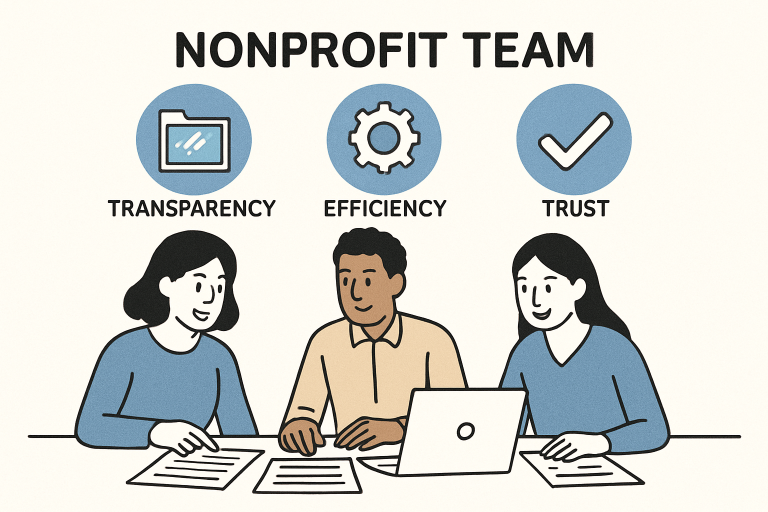
Audit readiness is much more than a regulatory checkbox—it’s a competitive advantage that underpins mission success. By embedding audit preparation into their daily rhythm, leveraging technology, and fostering a culture of accountability, nonprofits can safeguard resources, earn trust, and deliver a greater impact for the communities they serve. Built on a foundation of transparency, efficiency, and continuous improvement, audit-ready organizations transform compliance into a driver of organizational excellence and growth.

